
The Golden Dome: A Costly Blind Alley
Golden Dome is unaffordable, technologically unachievable and strategically destabilizing because opponents can deploy more offensive capability at less cost.


Golden Dome is unaffordable, technologically unachievable and strategically destabilizing because opponents can deploy more offensive capability at less cost.

Producing defense-grade metals and magnets requires chemical and metallurgical processes that take years to develop, qualify and scale.

U.S. policymakers increasingly recognize that foreign adversaries can exploit commercially available sensitive data about military personnel.
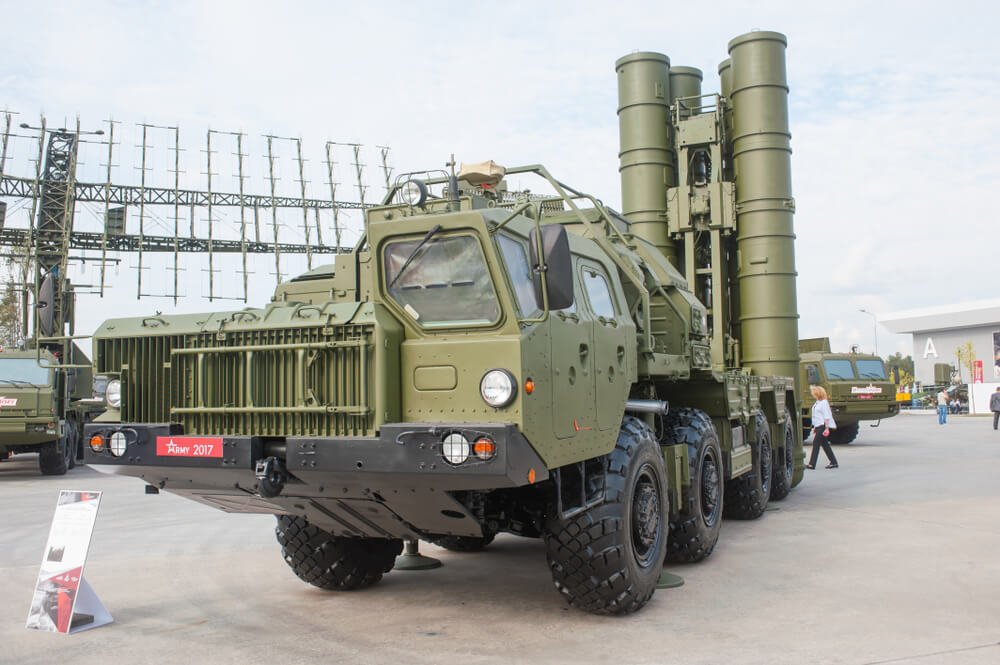
The 2025 conflict between India and Pakistan marked an important chapter in testing the S-400 air defense technology.
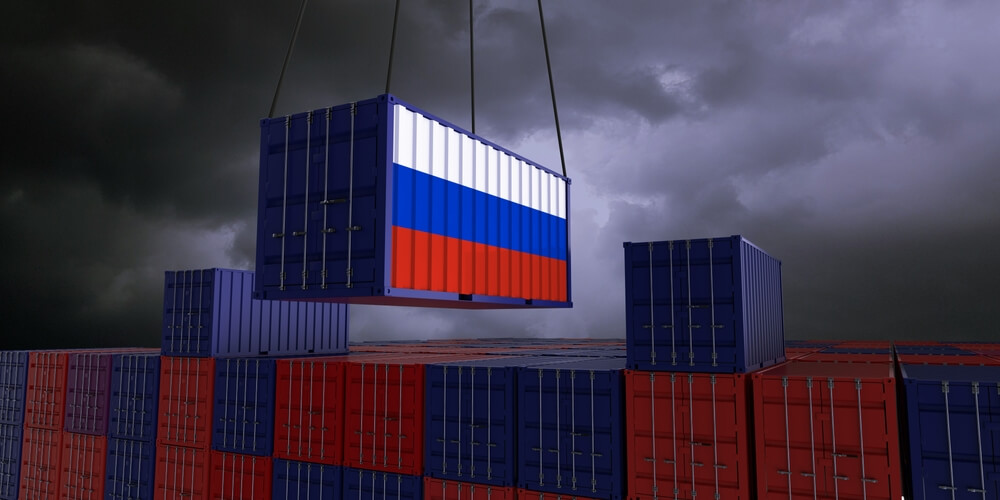
Russia’s economic fundamentals argue strongly that engaging in business ventures with Russia now would be a bad idea.

Iran may well lay mines in small numbers, but it is unlikely to produce expansive, carefully engineered minefields on the scale Iraq achieved in 1990.

If we can’t produce components needed for our most advanced weapon systems domestically, then we could find ourselves at the mercy of stalled global supply chains.

In Iran, the prison cell, the gallows and the battlefield are connected.

South Korea has a robust navy that could help in Hormuz. A closer look reveals that its core ships are intricately integrated with deterrence on the Korean peninsula.

Europe should aim to stand on its own feet and, where it can, set the pace.

In the absence of direction and accountability, an “assume breach” mindset can help agencies and operators prepare for attacks and expedite the implementation of this guidance.

The volume, velocity and value of data have increased exponentially as defense organizations modernize, but so have the risks.

Getting these platforms into the hands of forces is critical, but fielding tools is only the start. Leaders must ensure people have the time, training and permission to learn them well.

Modernizing the deeply entrenched acquisition process is certainly a formidable task, but one that is essential.

Where we once the U.S. made 30 percent of the world supply of printed circuit boards, the U.S. now makes only 4 percent.

The prospect of losing a large defense contractor seems particularly ill advised considering the administration’s national defense strategy that demands vast defense expertise and industrial capacity amid growing threats.

Cross-domain security technologies can provide a secure bridge to enable secure data exchange.

The catastrophic export control failures of both the Netherlands and E.U. mean this challenge must now be addressed by other approaches available to NATO nations.

These abuses by the regime constitute grave violations of international humanitarian law, core principle of medical ethics and fundamental human rights.
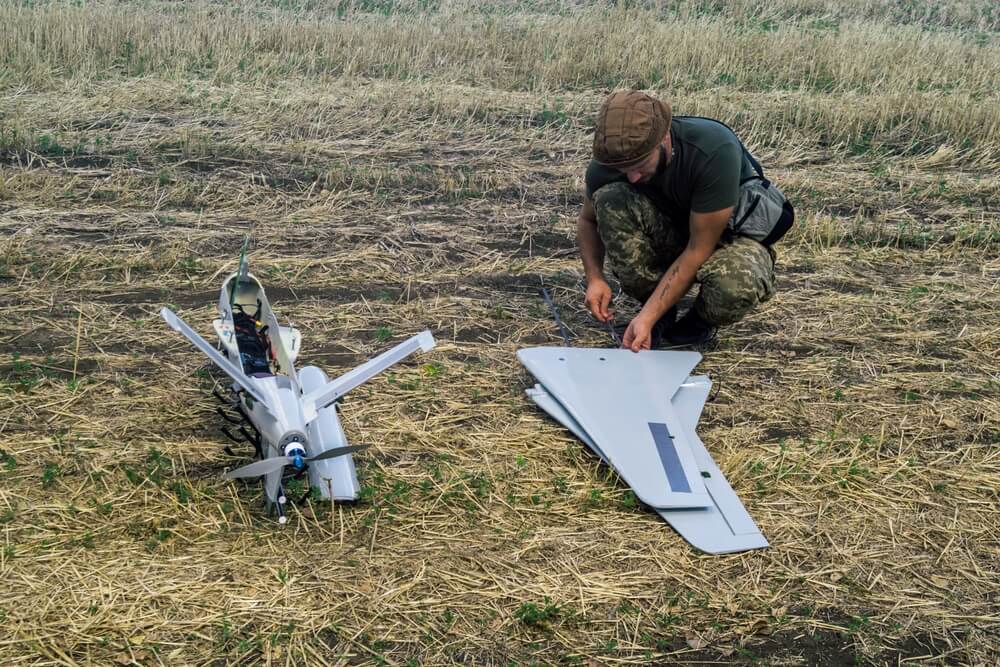
Ukraine serves as a global case study in how modern defense technology must be designed, tested and deployed to remain effective in high-intensity conflict.
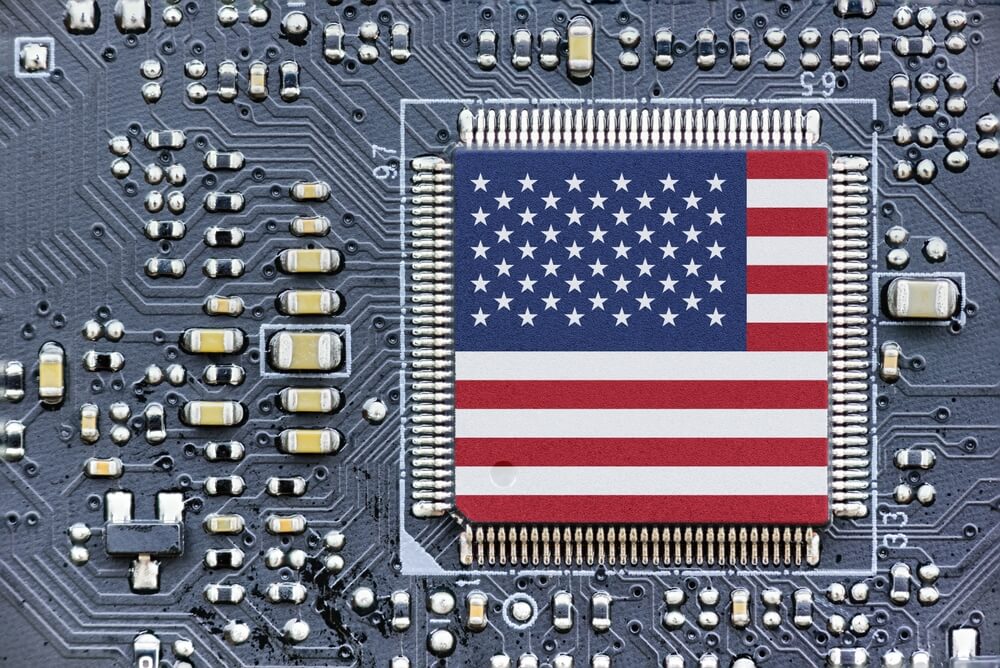
The challenge is ensuring commercial electronics can be scaled, surged and, most importantly, trusted as one element within a national strategy.

Removing the ghost fleet protects the ocean environment and innocent civilians from the dangers of the often illicit or poorly stored and maintained cargo.

Addressing concerns about the V-22 Osprey is a necessity. But so is preserving a platform unlike any other in the U.S. inventory.

“Resilience” means designing ground systems that can survive a contested environment, adapt to changing commercial offerings and still deliver reliable communications.

Across Iran, demonstrations persist despite executions, mass arrests and militarized repression. This level of endurance reflects organization and deep popular support.
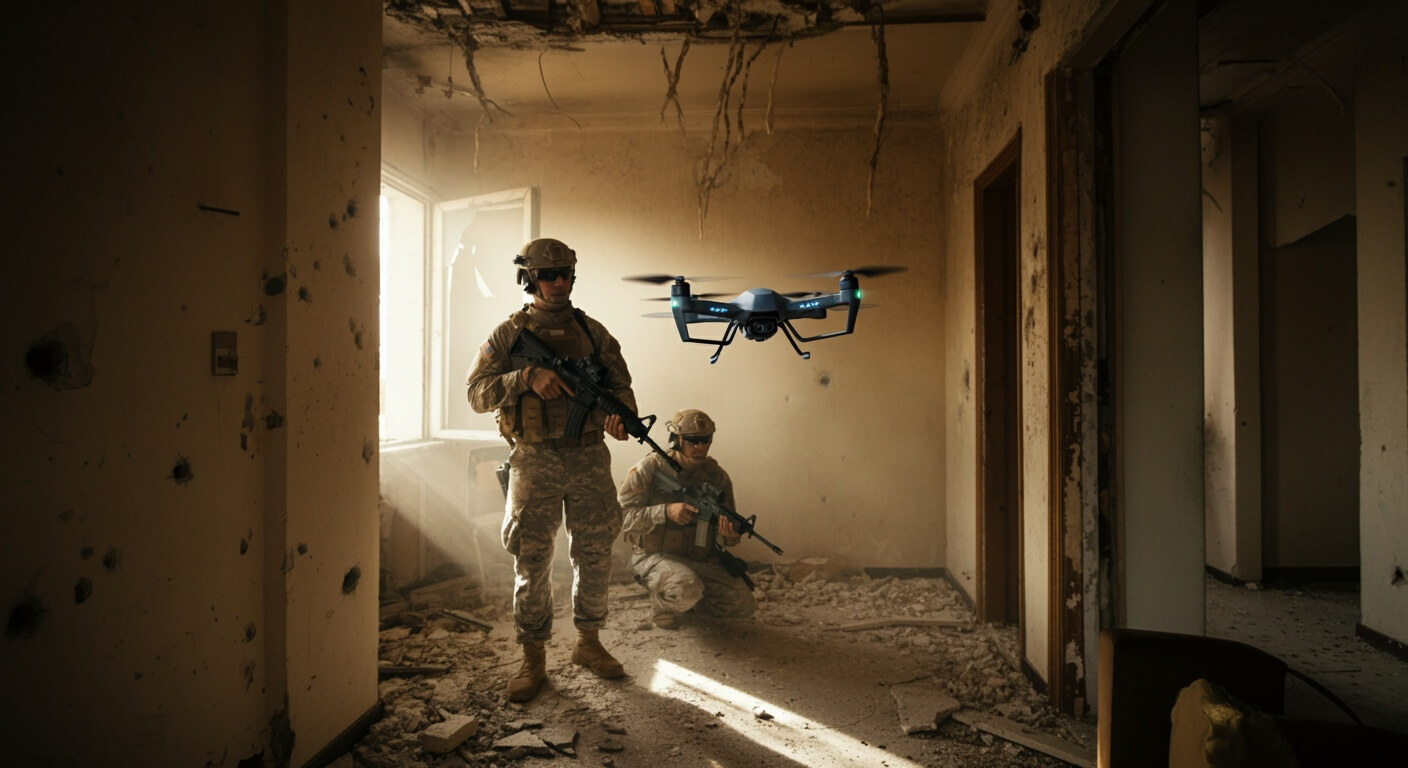
Exquisite defense tech will always have a place in satellites and intercontinental missiles, but it cannot scale to the pace of modern conflict. What does scale is commercial technology.

U.S production for key UAV electronic components, airframes and propulsion systems remains fragmented, with limited capacity for rapid surge.
The reality is that the U.S. lacks a reliable method for sharing mission data across allied forces quickly and securely.

AFRICOM is uniquely positioned to forge and strengthen the partnerships essential for building long-term stability and prosperity.

The military’s zero trust approach redefines security principles with a focus on drastically reducing attack surfaces.
