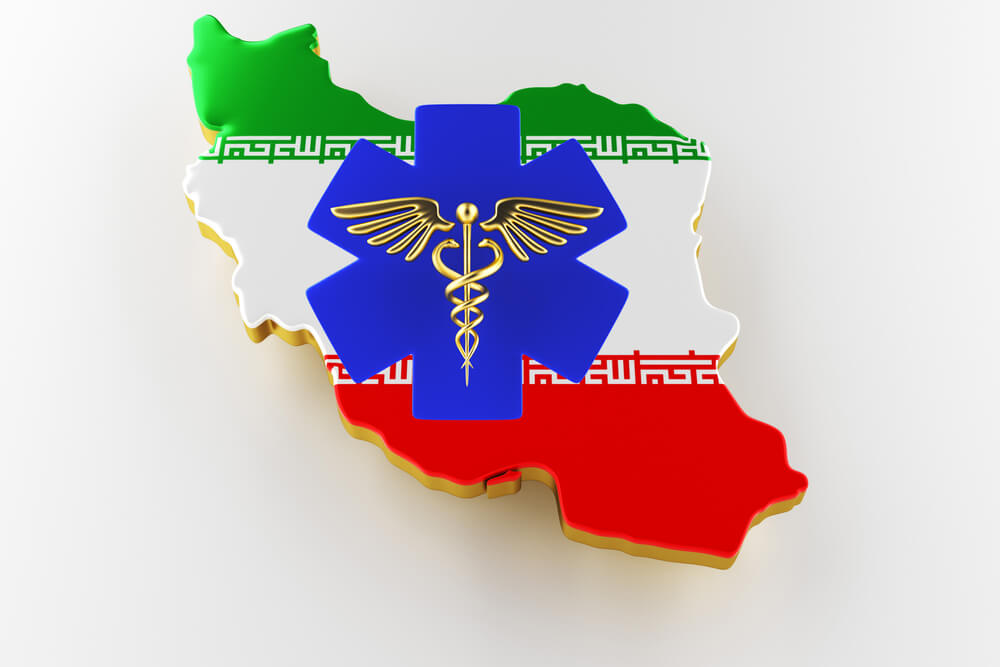
Iran’s ongoing human rights crisis has taken a dangerous and well-documented turn: the deliberate targeting of healthcare workers, patients and medical facilities.
Credible news media reports, such as from the BBC and the Guardian, and from reputable non-governmental organizations confirm that hospitals are sites of surveillance, detention and violence. Injured civilians have been denied treatment, tracked through medical records and arrested within healthcare settings. The regime is detaining physicians, nurses and other medical professionals, interrogating them and, in some cases, killing them for fulfilling their ethical obligation to treat the wounded.
“Doctors are being arrested in Iran for helping save the lives of some of the tens of thousands injured during Iran’s brutal crackdown on anti-regime protests, with at least one surgeon now at risk of being sentenced to death,” a news report noted.
The World Health Organization (WHO) has decried attacks against Iranian medical personnel.
“I am deeply concerned by multiple reports of health personnel and medical facilities in Iran being impacted by the recent insecurity and prevented from delivering their essential services to people requiring care,” WHO chief Tedros Adhanom Ghebreyesus said.
He cited reports late last month of “health workers assaulted, and at least five doctors detained, while treating injured patients.”
These are not isolated abuses. They reflect a systematic campaign to dismantle medical neutrality. They constitute grave violations of international humanitarian law, core principles of medical ethics and fundamental human rights. The protection of medical care during periods of unrest is not discretionary; it is a binding international norm designed to safeguard human dignity and prevent further harm.
An urgent call for action
In response to these violations, 100 U.S.-based physicians, surgeons and biomedical scientists have issued an urgent call for an immediate end to mass killings and executions, mass detentions and the criminalization of medical care in Iran. In a petition distributed in January from Clinicians for Free Iran, the medical professionals are calling on international medical associations, human rights organizations and governments to take decisive action to protect healthcare workers and patients.
“We are particularly alarmed that hospitals and medical facilities are now besieged by regime security forces, blocking access to care, arresting or kidnapping the injured and intimidating healthcare workers, turning places of healing into instruments of repression,” the petition says.
When states weaponize healthcare, the consequences are severe and lasting. Patients avoid seeking care out of fear. Clinicians must choose between their professional oath and their personal safety. The regime is transforming healthcare systems from institutions of healing into instruments of repression.
Harbinger of more violence
History is unequivocal: attacks on healthcare are a signal of deeper moral and legal collapse. In conflict zones and authoritarian regimes alike, the erosion of medical neutrality often precedes broader campaigns of violence. Silence in the face of these abuses enables their continuation.
This is not a political issue confined to Iran. Medical ethics are universal. When a physician is punished for treating a patient anywhere, trust in healthcare is undermined. The international community—and the global medical profession in particular—have a responsibility to respond.
U.S. policymakers should recognize these attacks for what they are and take meaningful action immediately to intervene and stop the violence, protect healthcare workers and patients, restore communications and launch independent investigations into what are crimes against humanity.
Protecting healthcare workers and patients is not a partisan position. It is a moral and legal imperative.