Air Force Faces Pressure to Cut Back KC-46 Tanker Fleet; That’s a Bad Idea
The Air Force is facing pressure to rethink its tanker modernization strategy and cut back on new KC-46 contracts. Cutting back would be a bad idea.

The Air Force is facing pressure to rethink its tanker modernization strategy and cut back on new KC-46 contracts. Cutting back would be a bad idea.

We need to find innovative ways to stretch our industry training dollars, especially as advancing military threats spur the need for more advanced weaponry and a well-trained workforce.

The U.S. Air Force is teetering on the edge of losing its precious lead in jet engine expertise by delaying or restructuring its secretive Next Generation Air Dominance, or NGAD fighter.

The Biden administration’s decision to force the transition to electric vehicles overlooks several significant national security risks that provide a lot of leverage to China.

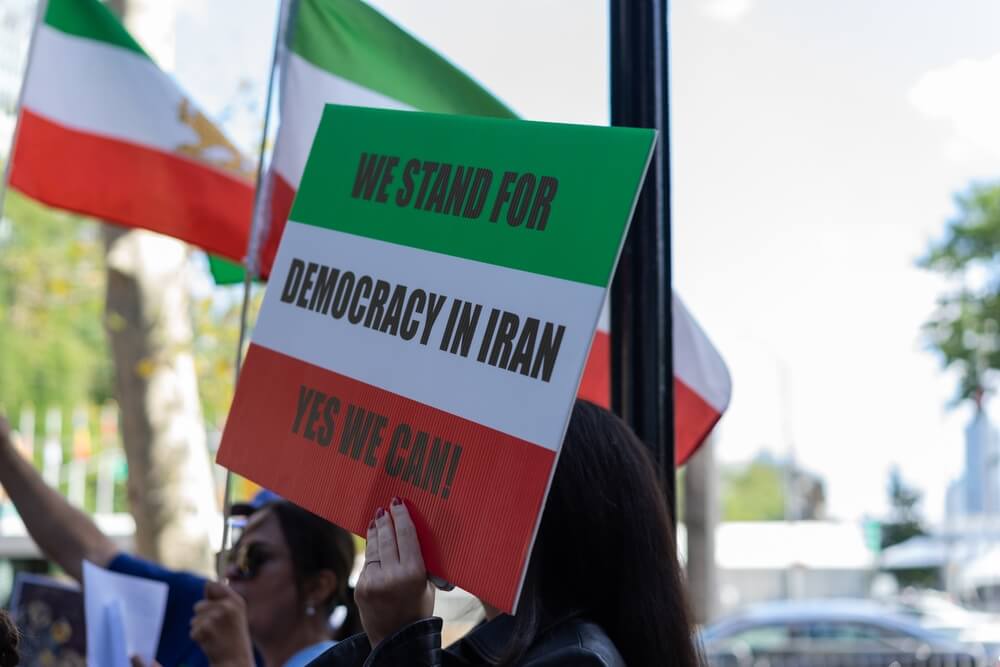
The widespread boycott of both the first and second rounds of voting serves as a powerful testament to the Iranian people’s deep-seated desire for the overthrow of the entire regime.

The data will offer a new and much-needed lens for high schoolers and their parents on what a career in the military could mean – financially and in potential career skills and upward workforce mobility.

As Iran approaches its presidential election on June 28, the regime’s focus appears to be less on selecting the next president and more on creating a spectacle designed to boost voter turnout.

Neither commission is headed by a senior retired military officer or a senior civilian who has the credentials to promote meaningful recommendations and persuade government bureaucracies to act. A senior leader is essential to spur change.

U.S. critical infrastructure is under threat, yet for most policymakers it is not the urgent focus that it should be.

If the nuclear triad is to remain viable into the 21st century, then all three of its elements ought to endure the same level of programmatic scrutiny. The Air Force’s troubled Sentinel Intercontinental Ballistic Missile is one such program that demands greater scrutiny.

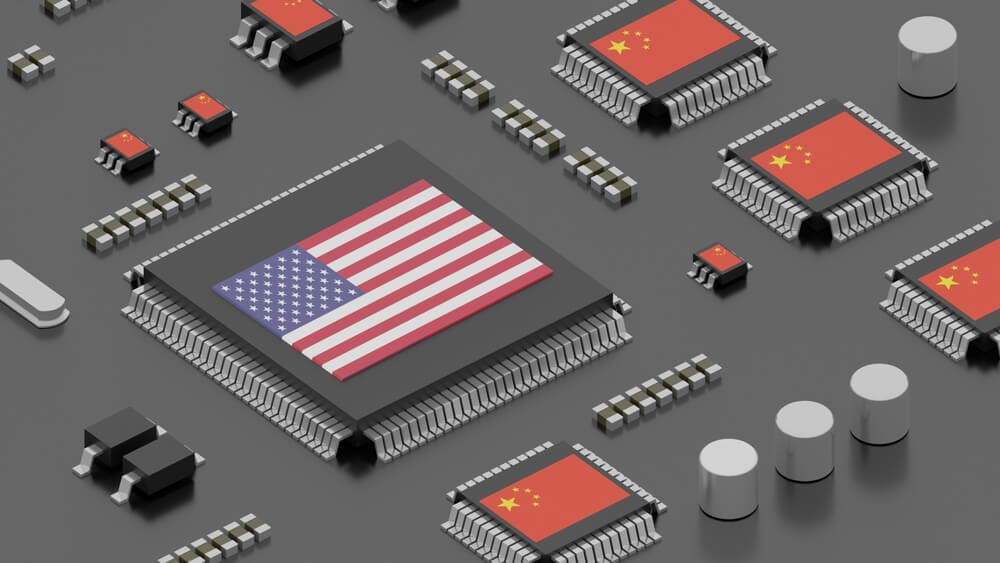
President Biden’s proposed defense budget for fiscal year 2025 eliminates further funding to bridge the shortfall in electronic components needed for semiconductors to function.

In commemoration of the 80th anniversary of the D-Day allied invasion, we present an excerpt from the forthcoming biography of Army Maj. Gen. Raymond O. “Tubby” Barton by Stephen A. Bourque, professor emeritus at U.S. Army Command and General Staff College. It will be published in November by the University of North Texas Press.

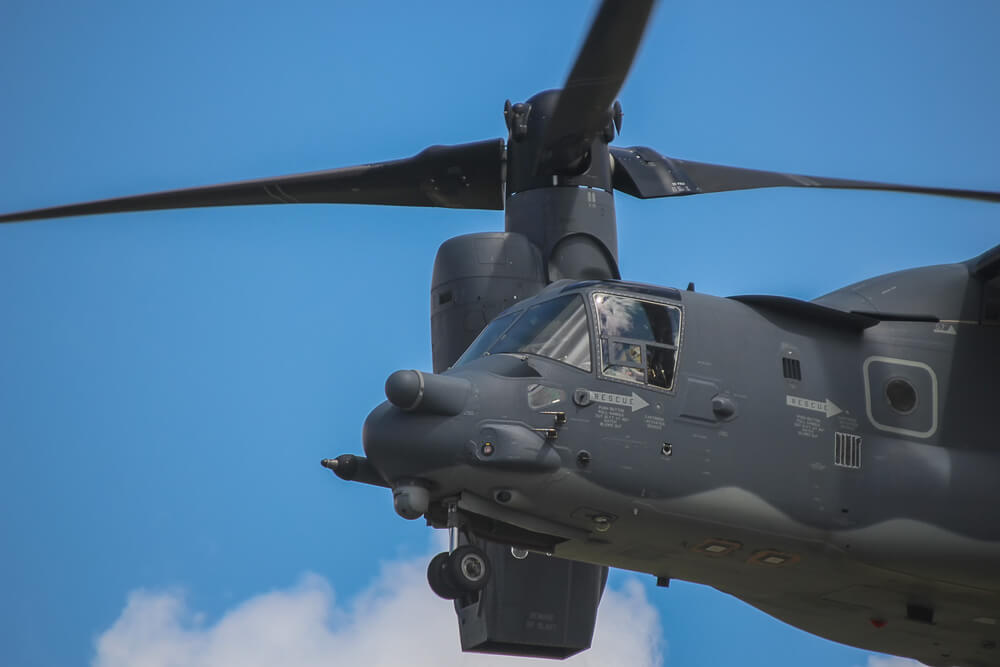
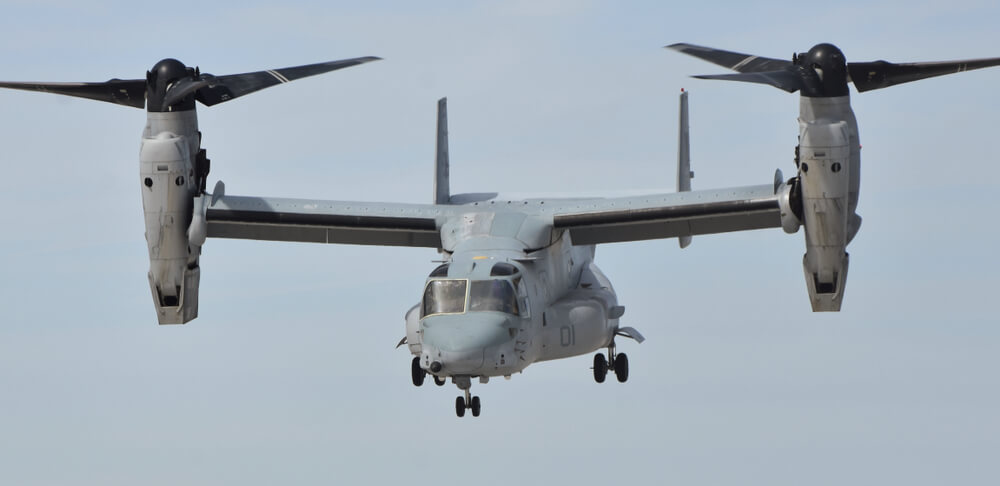
The V-22 Osprey – in versions tailored to the Marine Corps, the Navy and Air Force Special Forces respectively – are widely used, having flown collectively over 750,000 hours.

Beyond the visible wounds, the impact of two decades of war is greatest on the brain.

U.S. investors may have helped bankroll China’s aircraft carrier program by providing financial liquidity in 2018 and 2019 to complete its second flattop, Shandong, giving the country a capability that can be used to further threaten Taiwan and its neighbors

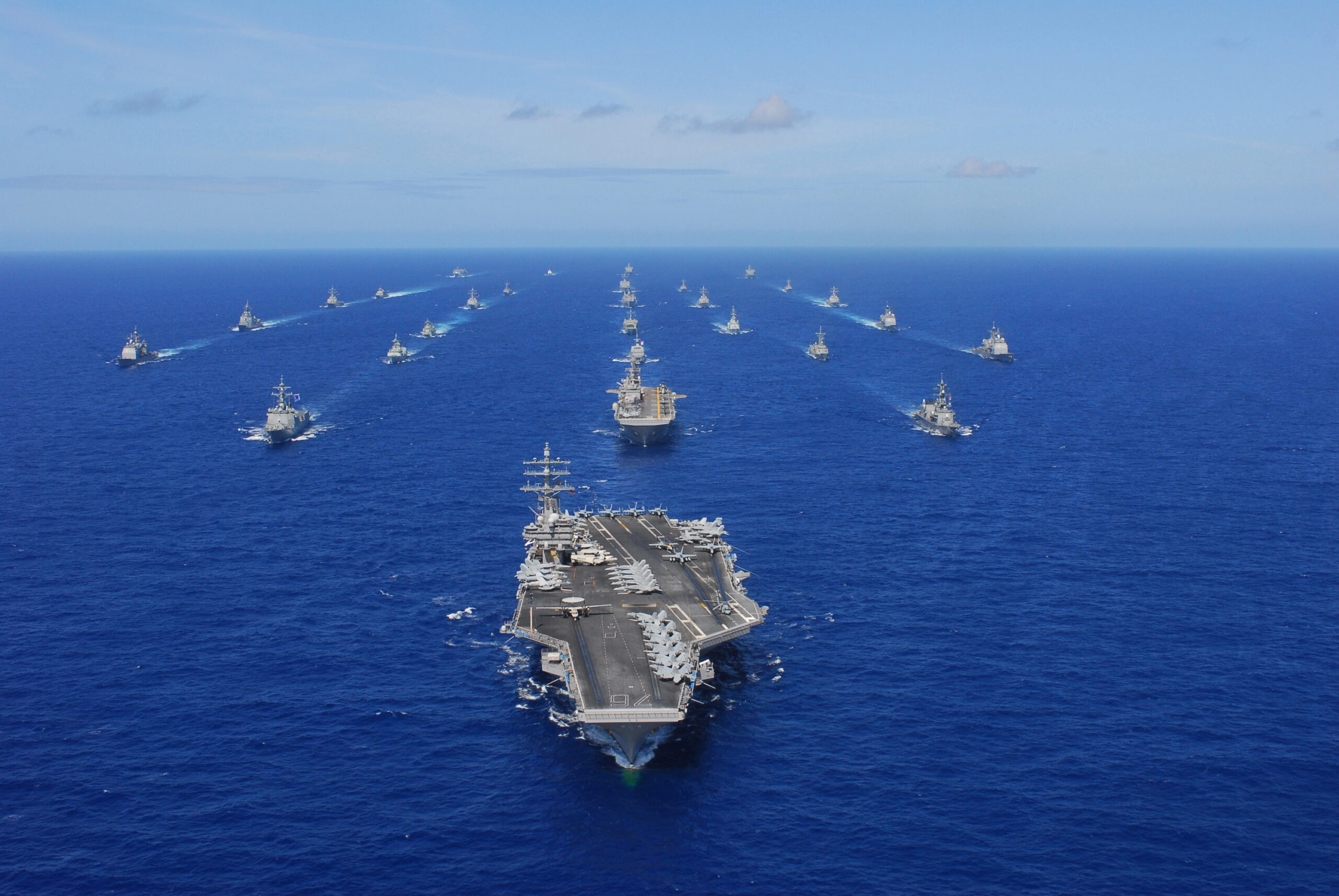
U.S. Navy ship totals at 290 will decline for 10 years before trending upwards again. In comparison, China’s navy lists about 340 ships, and it will grow to 440 by 2030.

China has been in pursuit of a carrier aviation capability for nearly 40 years, using every imaginable method to acquire carriers via deception, amusement park attraction and finally domestic carrier production.

Despite the Iranian regime’s relentless crackdown through killings and executions, the movement for change has not only persisted but has also grown in intensity and scale.

Education provides the foundation for pluralism. Without it, you can’t have a democracy, with a populace prepared for the challenges and the critical thinking required to make the right decisions.

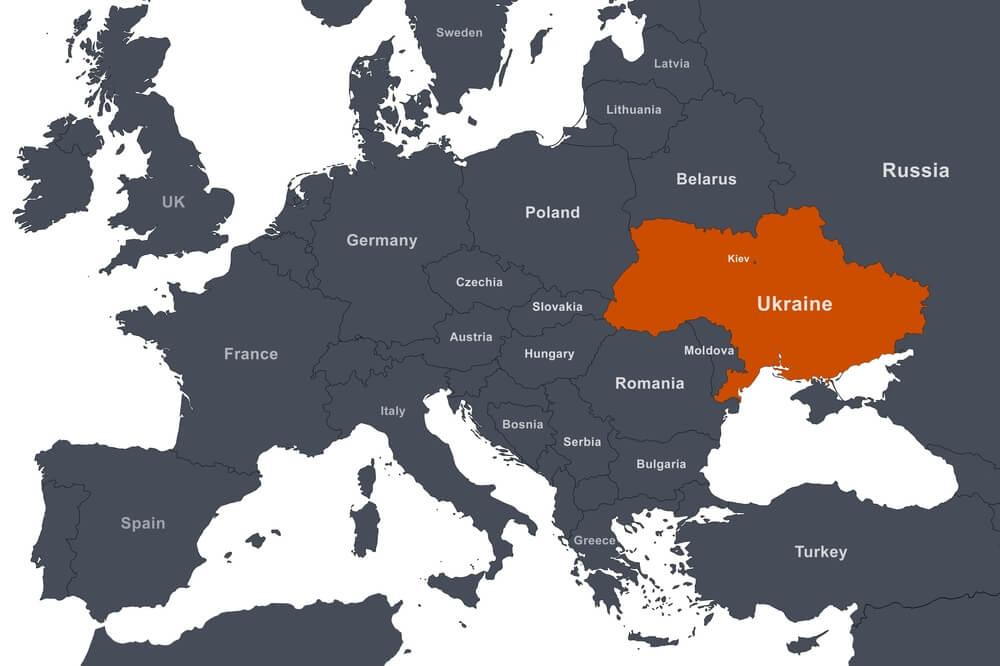
Until and unless the Russians understand that they can’t win militarily, a negotiated settlement is not an option.

Our national defense and economic security are at risk because we rely so heavily on adversaries and geopolitical competitors for the technologies that power our military systems and critical infrastructure.

The U.S. Army’s newly released fiscal 2025 budget incorporates the top lessons from combat in Ukraine and sends a powerful message as a deterrent against possible conflict with China.

Regardless of who wins the White House, these are the five crucial issues that the presumptive nominees must address to demonstrate how the country, under their administration, would combat the ongoing threat posed by fentanyl to America.

In order to prevail in this new Cold War, the U.S. must ensure that its high-tech companies are able to compete successfully against their Chinese rivals.

While the United States should not be in the business of fighting the Houthi movement in Yemen, U.S. joint forces can step up their operations and inflict significant defeats on the group to force them to cease attacks on merchant trade.

Among Poland’s weapons purchases, nothing is more likely to prevent Russia from invading NATO Europe than the M1 tank – arguably the West’s apex ground combat predator.

The changing climate is already having a profound effect on many of the more than 5,000 U.S. military installations worldwide, including 1,700 that are located in coastal areas affected by sea level rise and storm patterns.

Recent elections in Iran starkly underscore the systemic and deep-seated issues plaguing the Islamic Republic’s political system, highlighting the undeniable truth that elections in Iran are fundamentally neither free nor fair.

The recent sinking of a Russian navy ship was a solid victory for Ukrainian forces. But it’s a lot more about Russian failures rather than the success of uncrewed drones. The U.S. Navy can learn lessons.

The capability of the Chinese cyber actors has grown, and the last couple of years have taught us that countries with adversarial interests are willing to change their strategy and deploy aggressive actions.