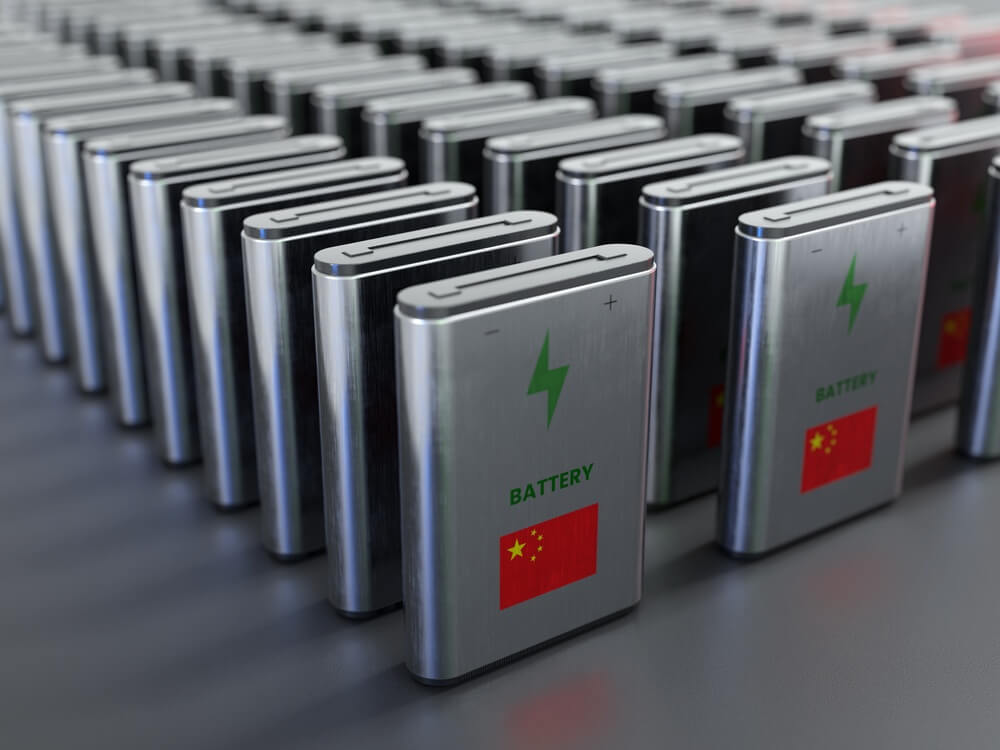
Beyond Compliance: Securing U.S. Defense Batteries
“NDAA compliant” does not necessarily mean a supply chain is secure from disruption.


“NDAA compliant” does not necessarily mean a supply chain is secure from disruption.
We are compounding the defense industrial base vulnerability by awarding high school diplomas that overstate students’ readiness in math.

The government’s implementation timeline may be under review, but the cybersecurity obligations, contractual requirements and business pressures have not disappeared.

When multiple software agents work together, what are they allowed to do before a human must step in? The military already has an emerging answer.
The reality of 2026 and the array of current and evolving threats demand that our procurement cycles speed up dramatically.
Adversaries now consider commercial satellite communications infrastructure to be fair game during conflict.
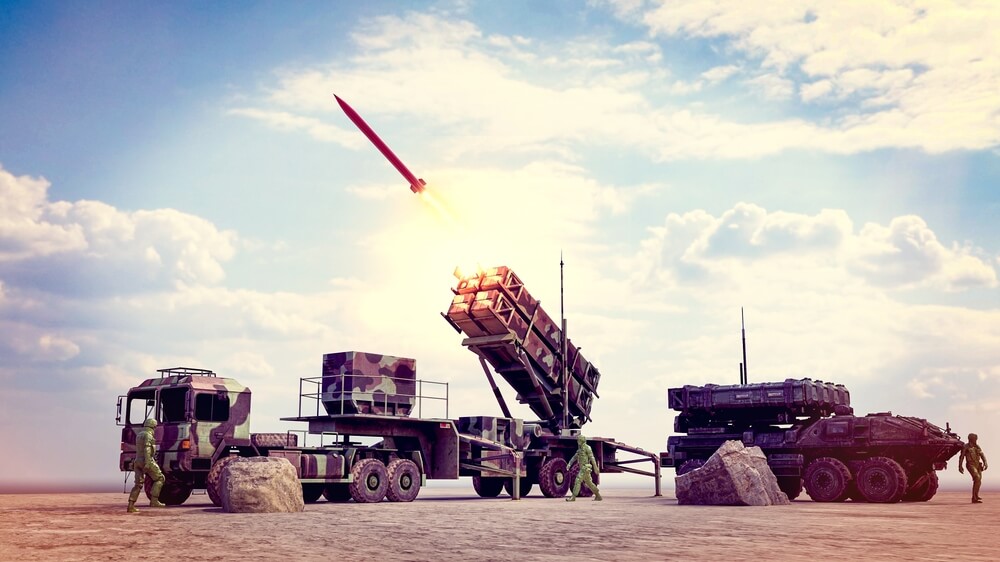
The Iran conflict and targeted tariffs welcome in a new age of U.S. defensive readiness, reshoring defense production while simultaneously increasing productive scale.

The most important naval lesson emerging from the ongoing conflict with Iran is the continuing value of aircraft carriers and their embarked air wings in

The Defense Department still does not have the people, technology or records it needs to know who has been exposed, how often and how the health of service members has been impacted.
NATO’s response to a Russian provocation should depend on the scale and ambiguity of the action, balancing collective defense obligations against the risk of further escalation.
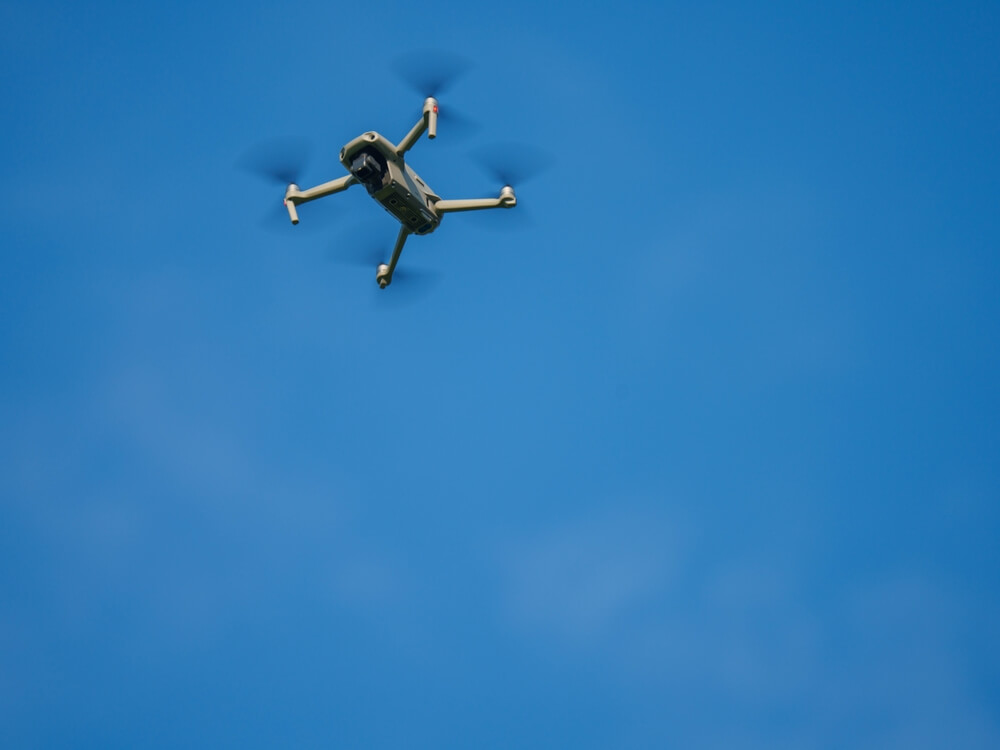
The Pentagon continues to fail America’s small businesses and ignore their technology that could benefit national security by offering less costly solutions.

Artificial intelligence is so new and fast-moving that defense agencies risk acquiring emerging tools without a clear sense of how to use them.

Spectrum is considered one of the critical strategic resources of the 21st century.

The White House goal is to equip the armed forces with next-generation AI capabilities as quickly as possible.

The Golden Dome should become a national priority and a lasting symbol of American strength, innovation and security.

After years of delays, the program is moving forward with a renewed focus on accountability, patient safety and long-term success.

Protection from a nuclear explosion in space would be pointless because physics, geography, economics and strategic realities overwhelmingly favor the attacker.

Reform is necessary. Repeal would be strategic malpractice.

American industry depends heavily on raw materials over which China has total or near-total control.
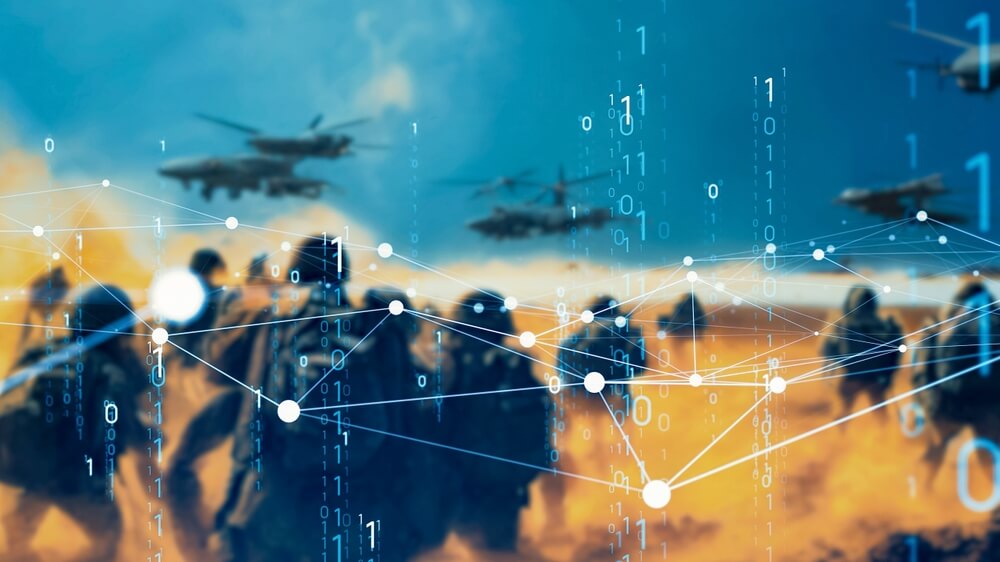
The approach allows for the adoption of new technologies faster, less dependence on a single vendor, and it keeps operations running as requirements evolve.
Artificial intelligence systems improve the speed and consistency of outputs, which is valuable in the right context but dangerous in the wrong one.

What was once among the most trusted institutions in American public life has seen its standing erode in tandem with the broader collapse of institutional trust.
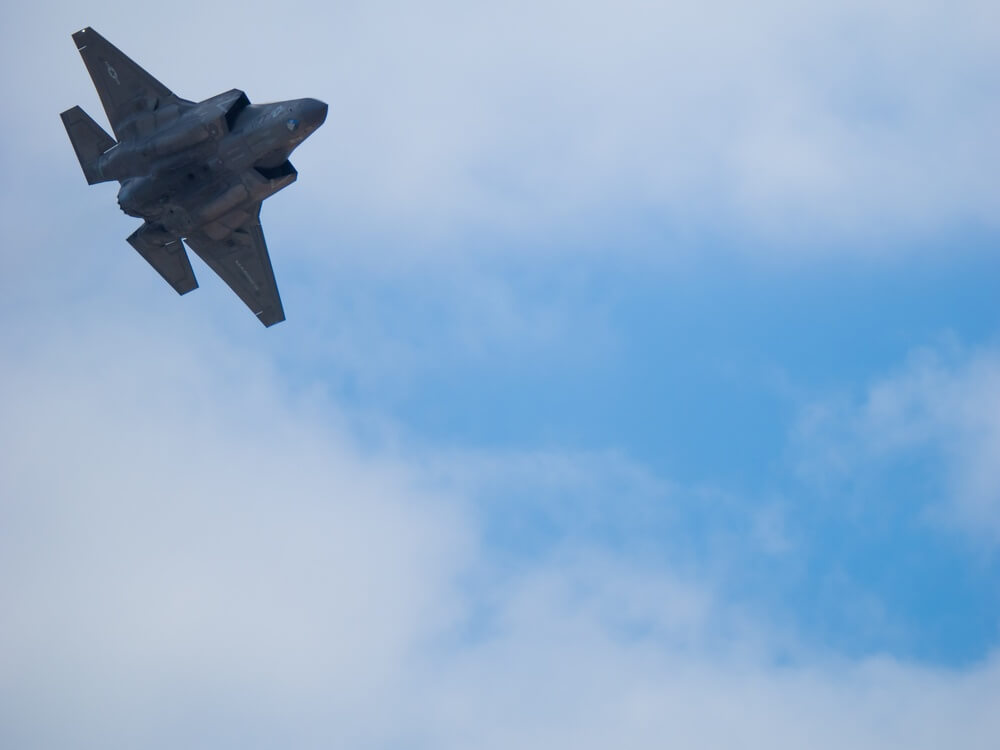
The nation needs more young people prepared for the quantitative demands of engineering, cyber, artificial intelligence, data science, logistics, advanced manufacturing and other fields that underpin U.S. military strength.
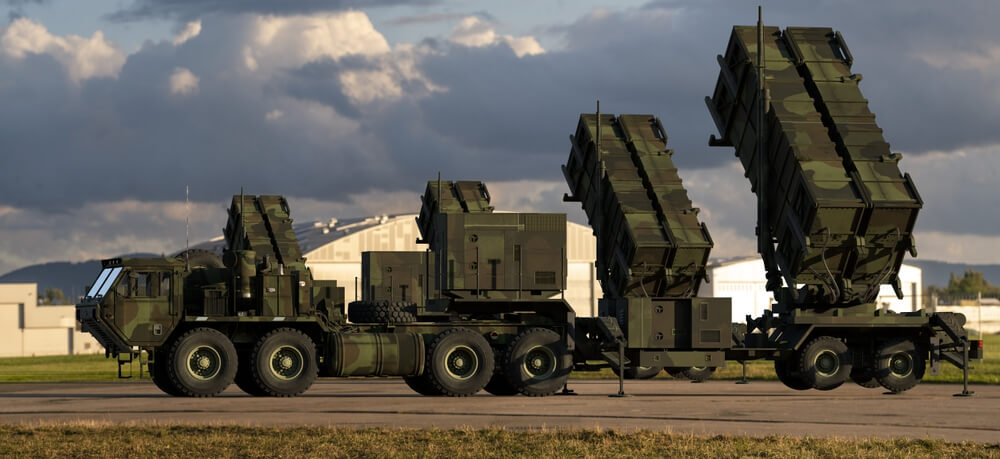
Had the system been in place for Epic Fury, Kuwaiti operators would have been working from the same fused air picture as every other coalition element.

The friendly fire incident underscored a structural failure and the predictable outcome of coalition forces fighting a single battle from multiple, unconnected air pictures.
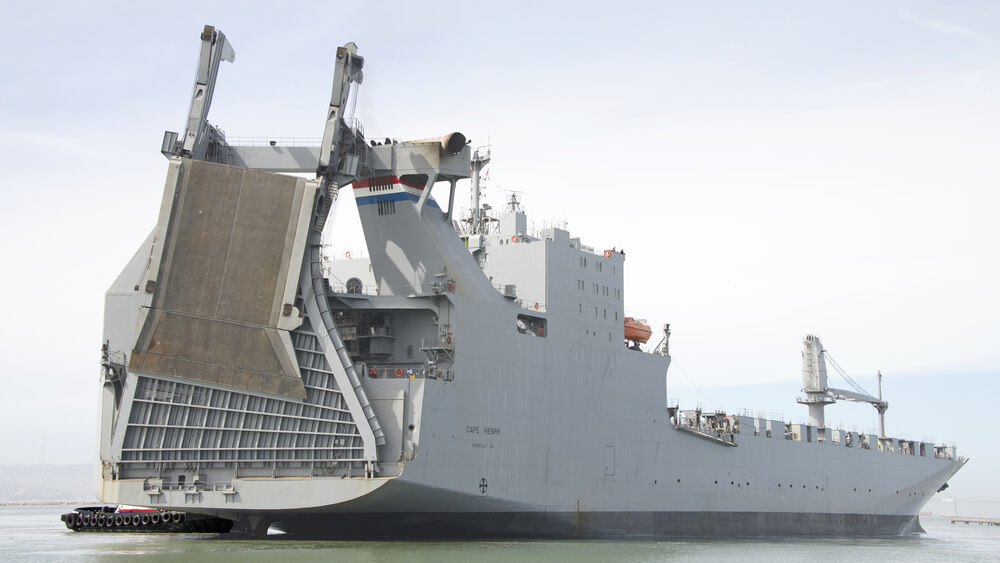
Revival will depend on adoption of tools such as small modular nuclear reactors, greater automation and new logistics systems that make maritime transport more efficient and commercially attractive.
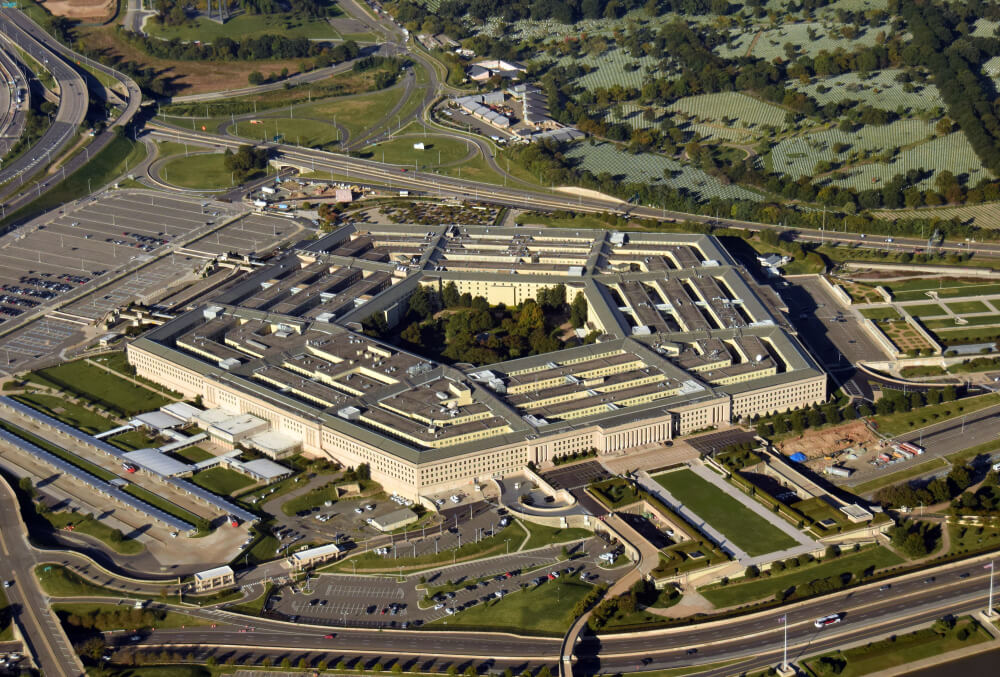
The Department of Defense has assembled the operating architecture for the most consequential defense acquisition reform in a decade.
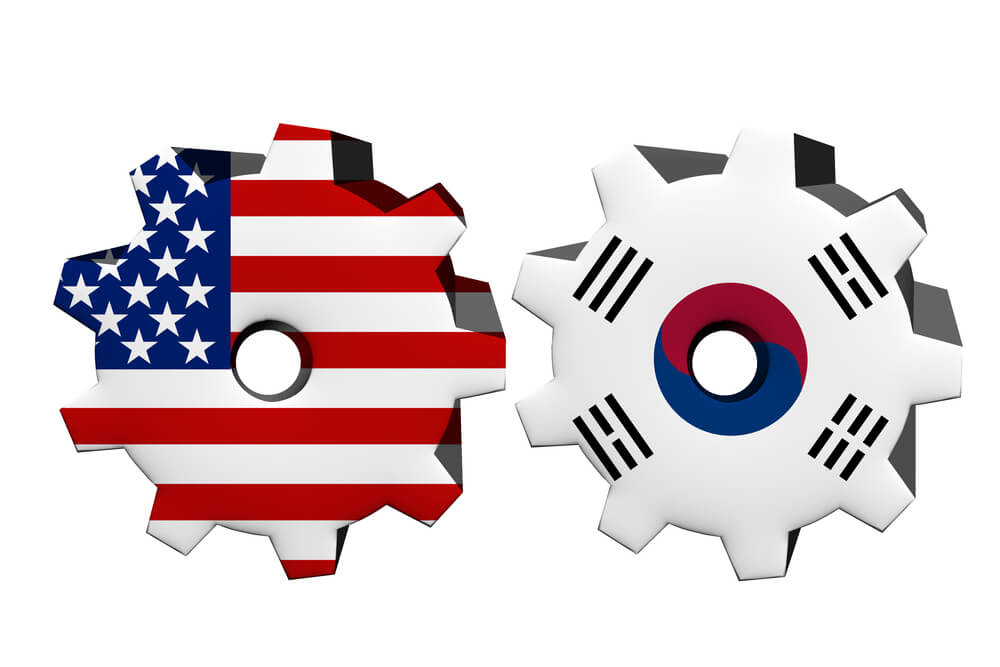
American and South Korean business leaders need to know that they will be treated fairly and transparently for the U.S.-South Korea alliance to flourish.

Golden Dome is unaffordable, technologically unachievable and strategically destabilizing because opponents can deploy more offensive capability at less cost.
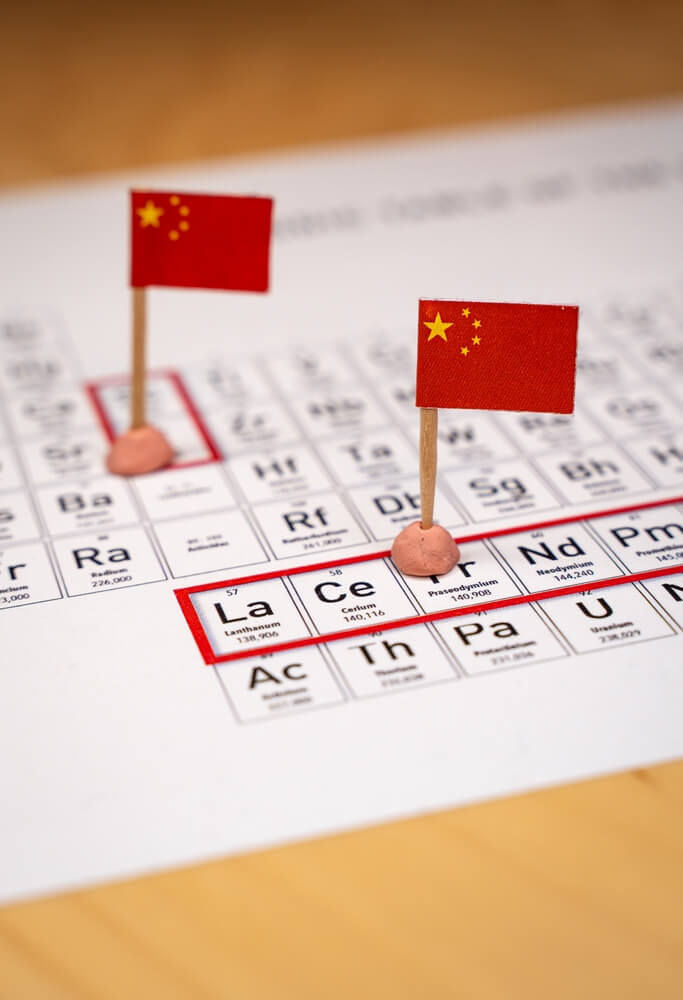
Producing defense-grade metals and magnets requires chemical and metallurgical processes that take years to develop, qualify and scale.
