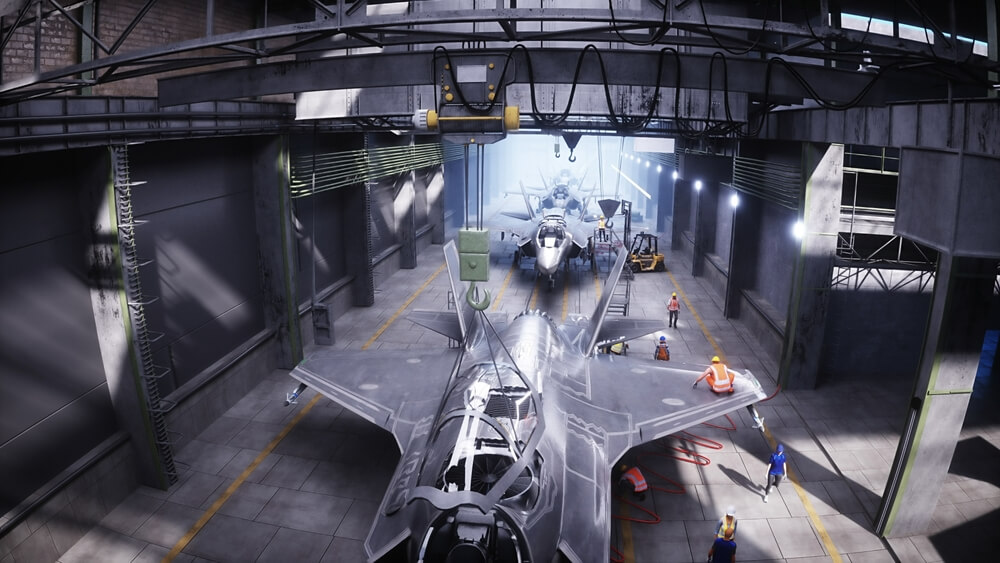
Weak Math, Weaker National Defense
We are compounding the defense industrial base vulnerability by awarding high school diplomas that overstate students’ readiness in math.


We are compounding the defense industrial base vulnerability by awarding high school diplomas that overstate students’ readiness in math.

The government’s implementation timeline may be under review, but the cybersecurity obligations, contractual requirements and business pressures have not disappeared.

When multiple software agents work together, what are they allowed to do before a human must step in? The military already has an emerging answer.

The reality of 2026 and the array of current and evolving threats demand that our procurement cycles speed up dramatically.
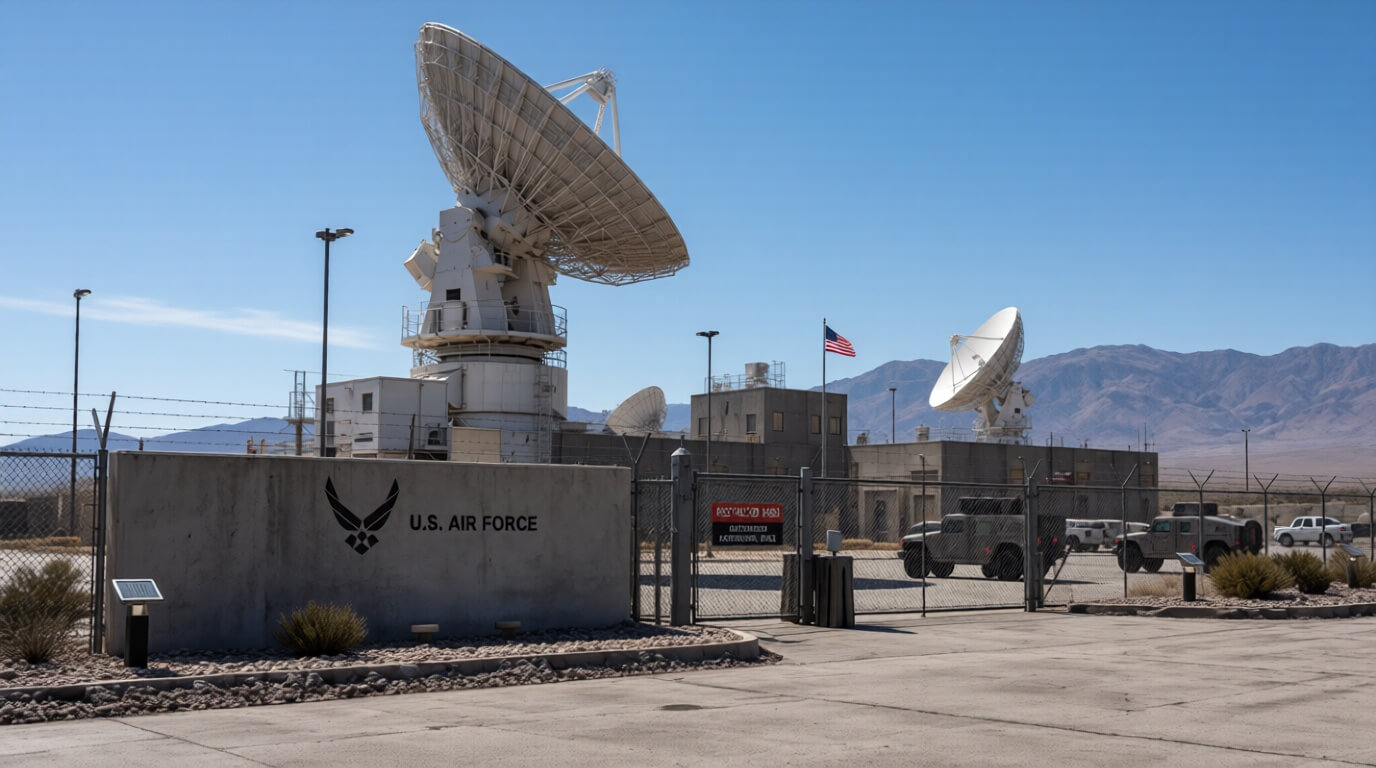
Adversaries now consider commercial satellite communications infrastructure to be fair game during conflict.
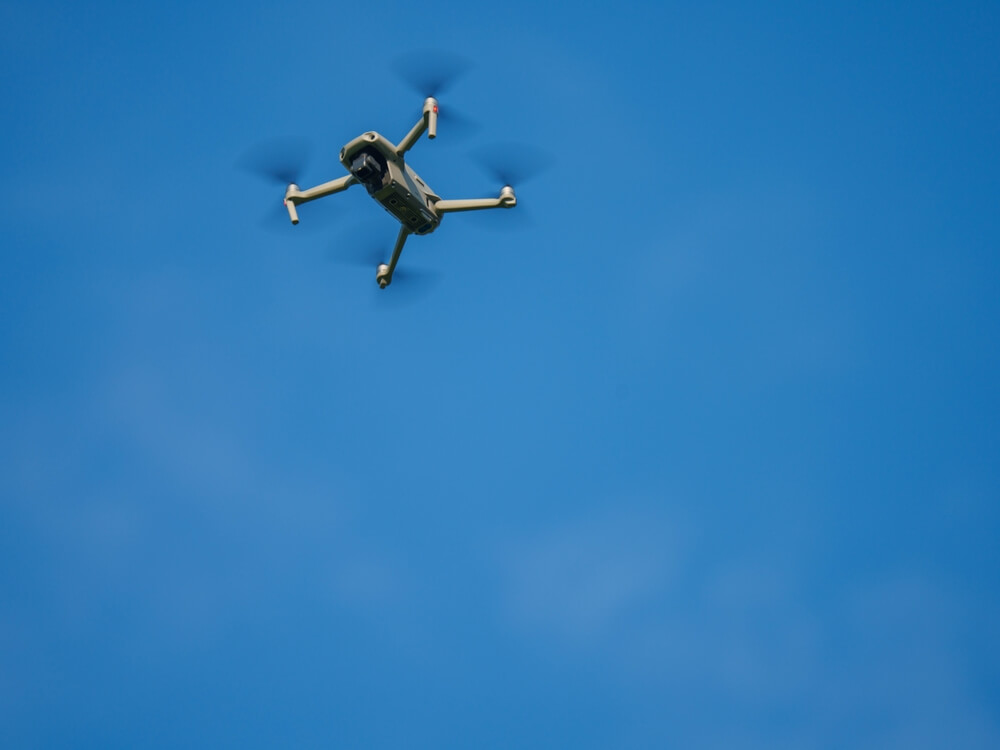
The Pentagon continues to fail America’s small businesses and ignore their technology that could benefit national security by offering less costly solutions.

The White House goal is to equip the armed forces with next-generation AI capabilities as quickly as possible.

After years of delays, the program is moving forward with a renewed focus on accountability, patient safety and long-term success.

Protection from a nuclear explosion in space would be pointless because physics, geography, economics and strategic realities overwhelmingly favor the attacker.

The experience in Israel provides real-world examples for other nations of how to manage mass-casualty threats from the latest dangers.

Golden Dome is unaffordable, technologically unachievable and strategically destabilizing because opponents can deploy more offensive capability at less cost.

Pressure to rapidly implement and deploy artificial intelligence systems often comes at the cost of security.

Europe should aim to stand on its own feet and, where it can, set the pace.

This is not a debate about manned versus unmanned, nor about exquisite versus cheap. It is about operational effectiveness.

In the absence of direction and accountability, an “assume breach” mindset can help agencies and operators prepare for attacks and expedite the implementation of this guidance.

The volume, velocity and value of data have increased exponentially as defense organizations modernize, but so have the risks.

Getting these platforms into the hands of forces is critical, but fielding tools is only the start. Leaders must ensure people have the time, training and permission to learn them well.

Where we once the U.S. made 30 percent of the world supply of printed circuit boards, the U.S. now makes only 4 percent.

The U.S. Indo-Pacific Command must modernize networks, data environments and coalition structures. It must also enhance cybersecurity strategies to achieve decision dominance by 2027 and beyond.

Cross-domain security technologies can provide a secure bridge to enable secure data exchange.

The Trump administration can’t meet its “Arsenal of Freedom” goals without the combined efforts of the full range of American expertise: new entrants, prime innovators and commercial crossovers.

The catastrophic export control failures of both the Netherlands and E.U. mean this challenge must now be addressed by other approaches available to NATO nations.
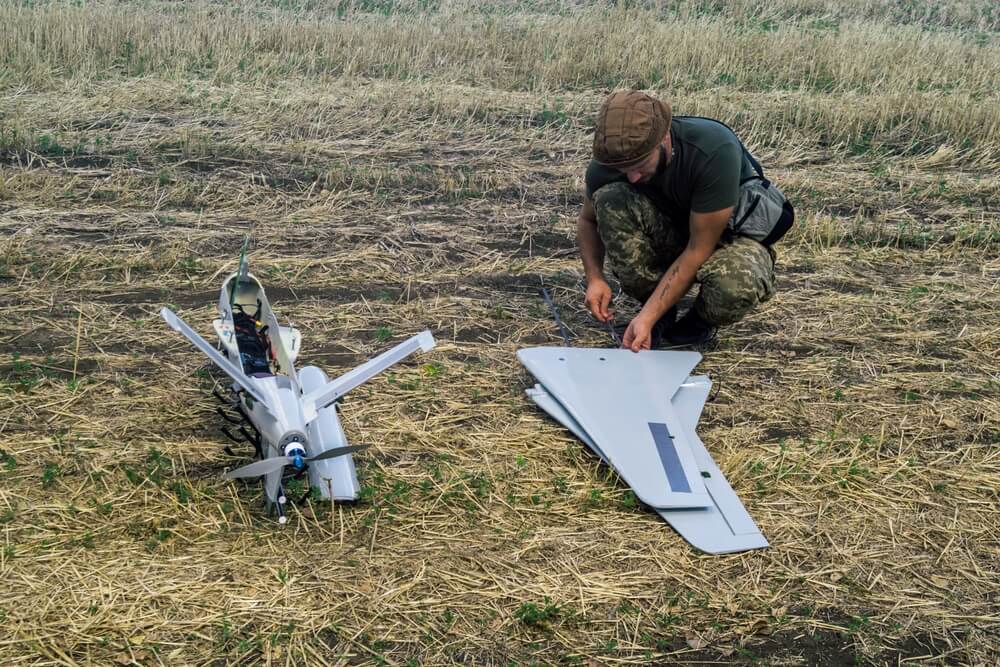
Ukraine serves as a global case study in how modern defense technology must be designed, tested and deployed to remain effective in high-intensity conflict.
The challenge is ensuring commercial electronics can be scaled, surged and, most importantly, trusted as one element within a national strategy.

Addressing concerns about the V-22 Osprey is a necessity. But so is preserving a platform unlike any other in the U.S. inventory.

The military’s zero trust approach redefines security principles with a focus on drastically reducing attack surfaces.
Successful defense across land, sea, air, space and cyberspace depends on technology that can perform reliably across multiple domains and with limited connection.

As the volume of data fed into artificial intelligence models increases and its velocity accelerates, the attack surface grows.

The manufacturing boom won’t materialize without greater effort by private industry, government agencies, educational institutions and non-profits.

Three critical elements must be considered to ensure the architecture is both viable for the short term and flexible for the long term.
