The most important finding in a new Government Accountability Office report on blast wave brain injury is not that exposure can harm the brains of U.S. service members. The military has known that risk for years.
The truly alarming finding is that the Defense Department, with an annual budget nearing $1 trillion, still does not have the people, technology or records it needs to know who has been exposed, how often and how the health of service members has been impacted.
The GAO report lands as blast injury is finally being treated as an occupational health problem for military personnel that can unfold over years, not just a single battlefield event.
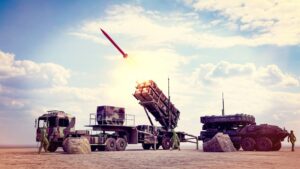
Blast waves that produce what is known as over pressure can come from weapons service members use routinely in training and combat—mortars, howitzers, shoulder-fired weapons, breaching charges and .50-caliber rifles. This blast over pressure also can from enemy improvised explosive devices, rockets and drone attacks. The pressure waves emitted from the weapons and explosives can impact brain health and result in traumatic brain injury, even when there is no obvious external wound.
Injuries that are difficult to diagnose
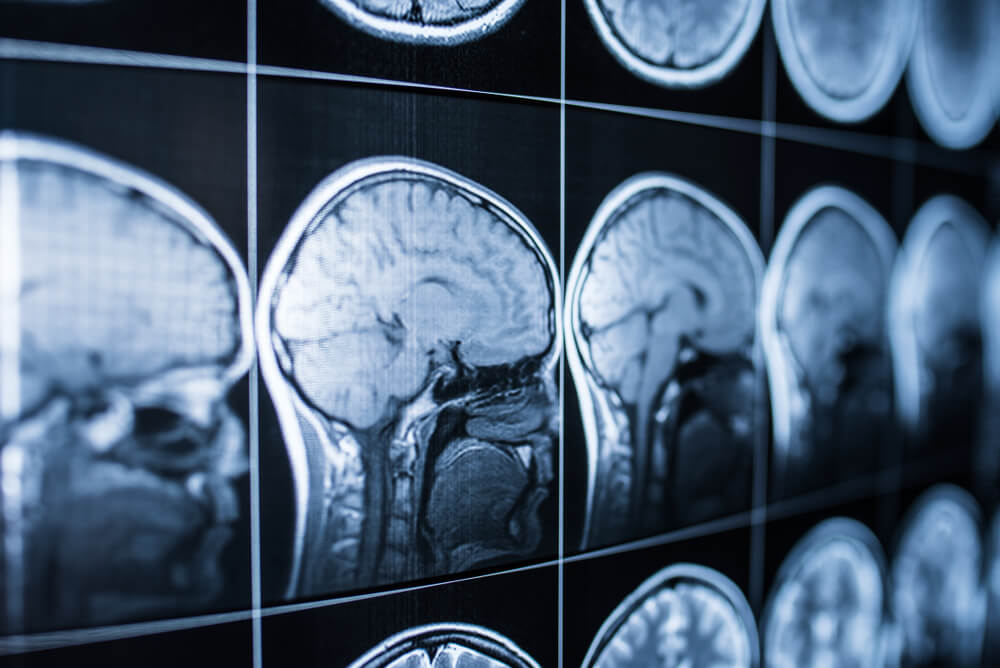
The Department of Defense has recorded more than 500,000 traumatic brain injuries among service members since 2000, many of them classified by the euphemistic descriptors “mild” or “concussive.” Yet blast-related brain injury remains difficult to diagnose because symptoms—including headaches, dizziness, memory problems, slower reaction time, sleep disturbance, difficulty concentrating and suicidal ideation —can emerge gradually, overlap with other conditions, or be dismissed as the cost of training.
Military leaders agreed to conduct baseline cognitive assessments starting last year of high-risk active-duty service members and on new service members during initial military training, and – this is especially important — the services were to begin tracking blast wave exposures. That tracking was supposed to record the weapons systems used, incidental and direct blast exposures and related hazards service members experienced over time.
But GAO found that the military services reported insufficient staff and technology to conduct cognitive assessments or tracking and that the problem was likely long term — affecting the ability to expand to all service members and do repeated assessments. Additionally, the military lacks a feedback mechanism for service members who take the assessments.
Military officials reported to GAO that implementation of cognitive assessments “was hindered by resource constraints, such as insufficient staff and technology to conduct the assessments, and that these challenges may affect their ability to meet additional requirements going forward.”
No record of hazards to brain health
Similarly, the Department of Defense told GAO that it faced a dearth of industrial hygiene personnel to complete exposure tracking requirements. That means the military can’t log information about weapons systems used and blast wave exposures from those weapons or other sources. “Such tracking creates a record of the hazards that a service member is exposed to during their military service,” GAO said.
So, no cognitive assessments to provide a baseline and determine who might currently be suffering, or eventually suffer, a blast wave brain injury. And no tracking to follow that person over time and log which weapons, which military jobs and which specific people are the most vulnerable and most likely to develop brain injuries.
A force cannot manage what it cannot measure. If blast exposure records are incomplete, commanders cannot see patterns in high-risk training. Clinicians cannot compare a service member’s symptoms against a reliable exposure history. Veterans and their caregivers may later struggle to connect chronic cognitive or neurological problems to service. Policymakers cannot know whether safety rules reduce risk or not.
A better records system
The solution is twofold.
First, Congress must direct the military to find the funds and staff to conduct cognitive assessments and tracking. Surely in an annual budget so massive these essential requirements to ensure the long-term health of U.S. service members and the readiness of the force are less than a rounding error. They are especially important as warfare evolves and results in ever more brain injuries, as is the case with the current Iran conflict.
Second, the deficits highlighted by GAO coupled with the breadth of the brain injury problem underscore the need to ramp up deployment of a new electronic health record system. The system is already in use in the military services, while the Department of Veterans Affairs is expected to complete rollout in the next several years.
The system will not solve blast injury by itself. But if DOD and the VA use it well, with its artificial intelligence capabilities it can turn scattered medical data into medical intelligence and help diagnose blast wave injuries before they spiral out of control.
It would allow the military and the VA to move from reaction to prevention. Repeated weapons exposures could trigger prompts for follow-up. Concerning cognitive changes could be compared with training histories. Aggregated data could help commanders identify practices that create unnecessary risk while preserving effective training and readiness of the force.
After resolving earlier technical problems, the new records system went online this year at VA centers in Kentucky, Ohio and Michigan with earlier deployments to VA centers in Illinois, Ohio, Oregon and Washington. Other centers in Alaska, Indiana and Ohio are planned for this fall with a massive push set for next year at more than two dozen VA facilities.
Administration after administration has pledged to care for those who serve. That promise is empty until it includes the unglamorous work of measuring blast exposures, building baselines, connecting and analyzing records and acting early, well before service members endure lifelong consequences.
Above all, the military must listen to and maintain the trust of service members and veterans who know in their gut something is wrong even when the system has failed to record what it is. But if we cannot measure their exposure, diagnose their injuries and act before the damage becomes permanent, we will have broken faith with the very people we ask to stand closest to the blast.