
The Military’s Blind Spot on Blast Wave Injuries
The Defense Department still does not have the people, technology or records it needs to know who has been exposed, how often and how the health of service members has been impacted.


The Defense Department still does not have the people, technology or records it needs to know who has been exposed, how often and how the health of service members has been impacted.

After years of delays, the program is moving forward with a renewed focus on accountability, patient safety and long-term success.
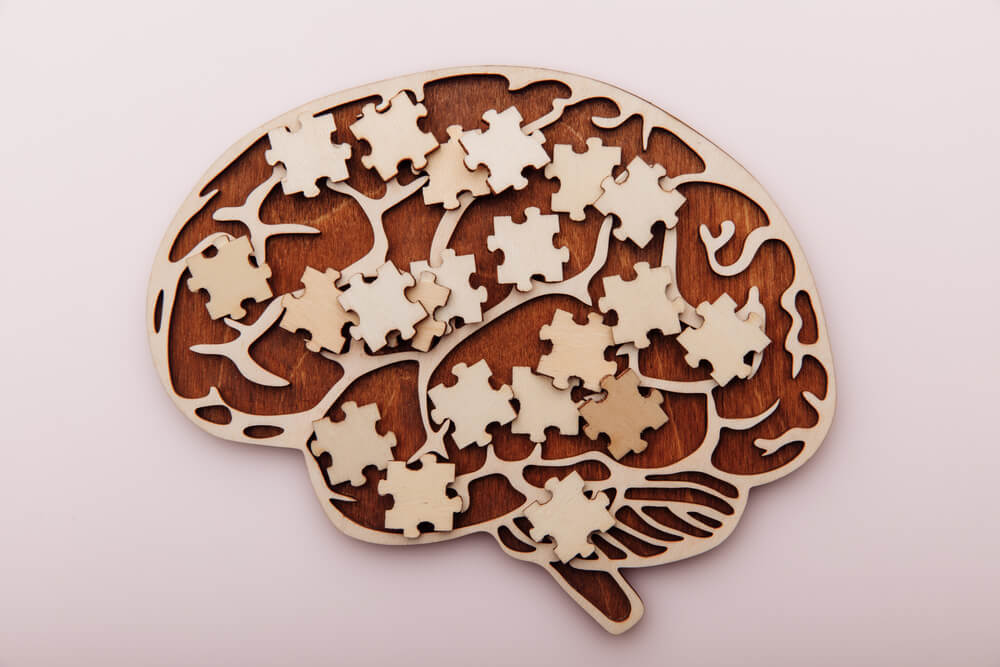
The goal is to fund efforts that make what is invisible visible, so that clinicians can guide treatments and rehabilitation.

The findings underscore the urgency for more research into diagnosing and treating the spectrum of brain injuries servicemembers experience, from blunt force to blast waves.

Because so many veterans already are isolated or on the brink of isolation, that dramatically heightens the importance of interactions with the sprawling and often bureaucratic VA network.

Prioritizing an effective electronic health records system is central to protecting veterans and ensuring they receive the care they have earned.
The advent of a new medical records-keeping system for veterans might sound like a minor, logistical turn of the screw. Far from it. It will change lives and it could save many.

Congress instructed the Department of Defense to assess the risks to its pharmaceutical supply chain. But the department’s choice of vendors —Valisure Laboratories— has raised eyebrows in the legal and public health communities.

Americans face a pivotal choice at the ballot box that will shape the future of our nation’s veterans.
