Operation Epic Fury highlighted a structural command and control failure. Namely, that U.S.- and Israel-led coalition was fighting a single battle from multiple unconnected air pictures, burning through interceptors at unsustainable rates and generating the conditions for friendly fire incidents.
What makes those lessons particularly pointed is that the solution is not conceptual. It is not a program that needs to be started. It is fielded, tested and in production.
The architecture that already exists
The Integrated Battle Command System (IBCS) was designed precisely to close the gap that Epic Fury exposed. Its core concept is “any sensor, best shooter,” and it describes an operational logic: ingest sensor data from any source on the network regardless of military service, domain or national origin; fuse it into a single integrated air picture; and distribute fire-control-quality tracks to whatever interceptor is best positioned to engage each threat.
Had IBCS been in place for Epic Fury, Kuwaiti operators would have been working from the same fused air picture as every other coalition element. The three U.S. F-15Es that Kuwait shot down in March would have been visible as allies in real time. The friendly fire incident would have been less likely.
Begun in 2004, IBCS is a U.S. Army air and missile defense command and control network that links different radars, launchers and interceptor missiles so they can operate as a single, integrated system. Northrop Grumman develops it.
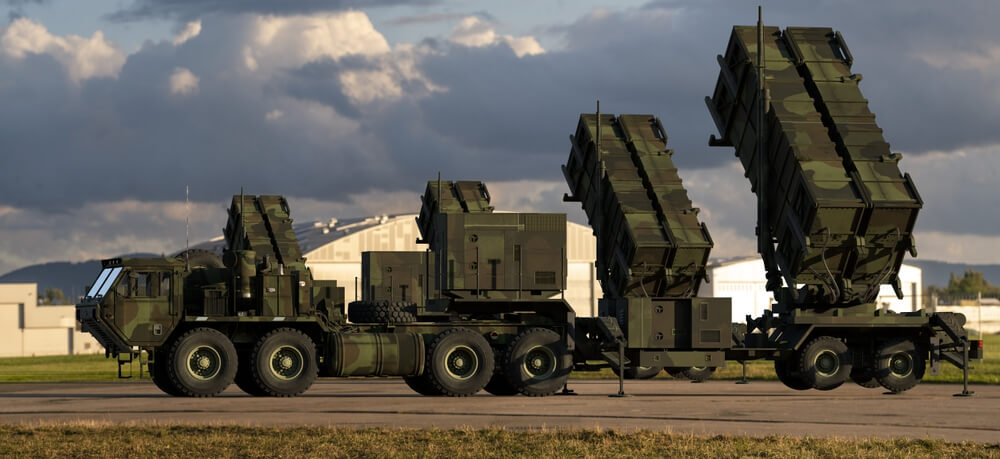
The IBCS system has compiled an exceptional success record integrating the Patriot air and missile defense system, the AN/MPQ64 Sentinel air defense radar, the F-35 aircraft, the Lower Tier Air and Missile Defense Sensor and the Patriot Advanced Capability 3 interceptors.
The program reached full-rate production, has been fielded by Poland as the command and control backbone of the Wisła air defense system, and the U.S. has designated it the central command and control architecture for the defense of Guam, the most demanding integrated missile defense requirement in the current U.S. force structure.
Under current plans, the U.S. will develop approximately two battalion sets of IBCS per year. The same contract could support a four-fold increase for approximately $720 million annually. That is a bargain when measured against the requirement to defend the homeland under Golden Dome, anchor the Guam defense architecture and provide coalition partners with the integrated command and control that prevents the next fratricide incident.
The industrial capacity exists for a major increase. The U.S. military has not yet made the decision to boost production.
The case against acceleration is usually framed around competition and innovation: shouldn’t the market be allowed to produce a better solution before locking in a production ramp? These are reasonable questions in a peacetime acquisition environment. They are the wrong questions now.
The adversary is not waiting for the next request for proposals cycle. China’s salvo missile doctrine, the operational logic that makes Guam’s defense so demanding, is premised on the same command and control seam exploitation that Iran employed in Epic Fury: overwhelm uncoordinated defenders before they can share tracks and coordinate fires. The answer to that threat exists.
Debating whether a better answer might eventually emerge is a luxury the strategic moment does not afford.
From Epic Fury to Guam
Guam concentrates the argument. The island’s role in U.S. Pacific strategy has been transformed. It is no longer primarily a base to be defended but a hub from which the entire Indo-Pacific operational architecture radiates. Losing Guam in the opening phase of a Pacific conflict does not merely cost a base. It collapses the command, logistics and strike architecture on which the joint force depends.
Defending Guam requires a command and control architecture that fuses joint and allied sensor data, distributes fire-control-quality tracks in real time and survives in a contested environment by moving rather than hardening. IBCS was designated for this requirement, because it is the only fielded system designed from the ground up to solve it.
The adversaries confronting U.S. and coalition forces in Epic Fury understood the targeting logic clearly — find the command and control node and destroy it and then the interceptors defending everything else become autonomous and uncoordinated. The same logic applies in the Pacific. IBCS provides the answer. The remaining question is whether the acquisition system will respond at the speed the moment requires.