CHIPS and Ships: Time to Stop Gambling with U.S. Seapower
U.S. Navy ship totals at 290 will decline for 10 years before trending upwards again. In comparison, China’s navy lists about 340 ships, and it will grow to 440 by 2030.


U.S. Navy ship totals at 290 will decline for 10 years before trending upwards again. In comparison, China’s navy lists about 340 ships, and it will grow to 440 by 2030.

Education provides the foundation for pluralism. Without it, you can’t have a democracy, with a populace prepared for the challenges and the critical thinking required to make the right decisions.

Our national defense and economic security are at risk because we rely so heavily on adversaries and geopolitical competitors for the technologies that power our military systems and critical infrastructure.

The U.S. Army’s newly released fiscal 2025 budget incorporates the top lessons from combat in Ukraine and sends a powerful message as a deterrent against possible conflict with China.

Regardless of who wins the White House, these are the five crucial issues that the presumptive nominees must address to demonstrate how the country, under their administration, would combat the ongoing threat posed by fentanyl to America.
In order to prevail in this new Cold War, the U.S. must ensure that its high-tech companies are able to compete successfully against their Chinese rivals.
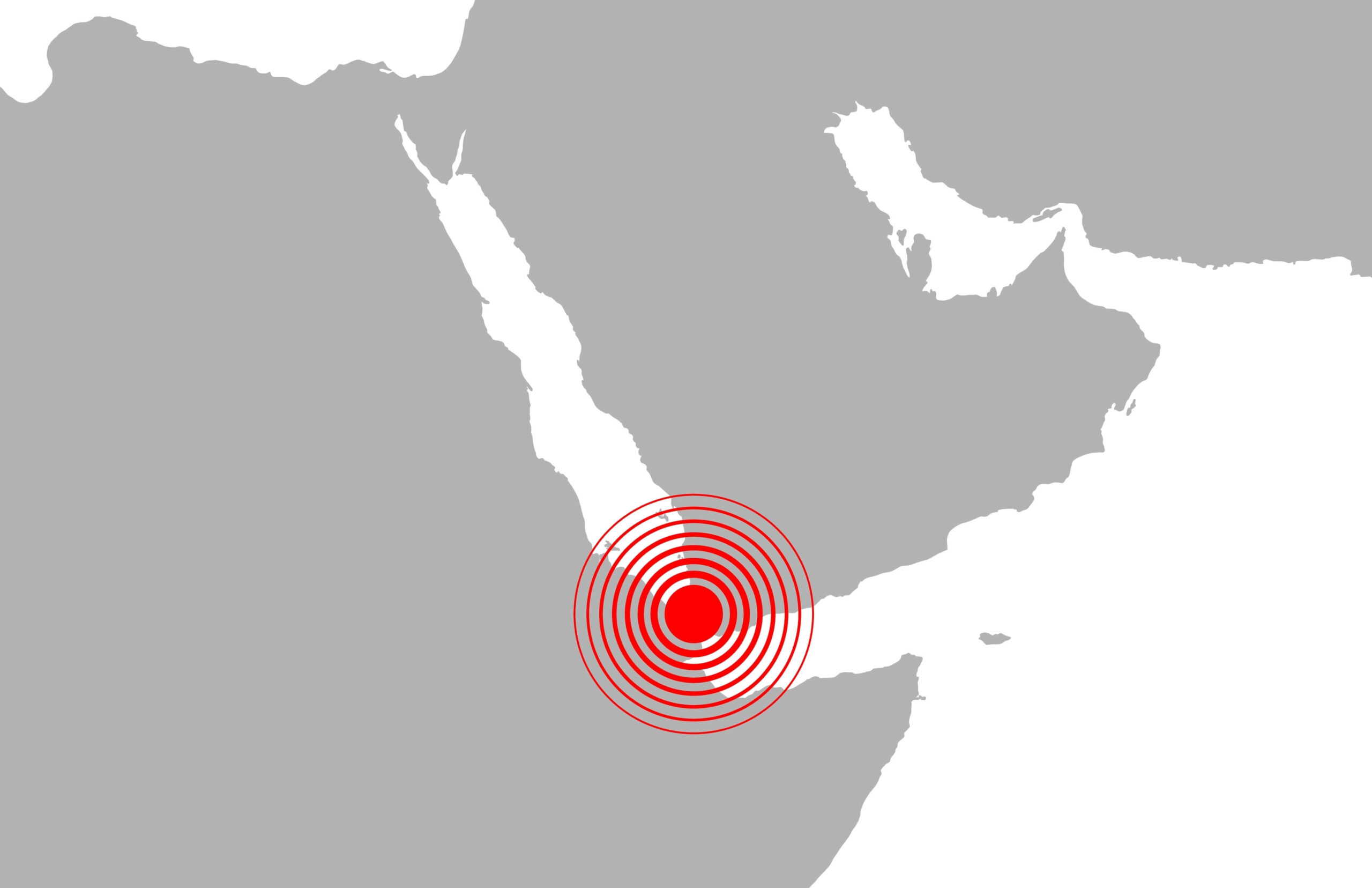
While the United States should not be in the business of fighting the Houthi movement in Yemen, U.S. joint forces can step up their operations and inflict significant defeats on the group to force them to cease attacks on merchant trade.
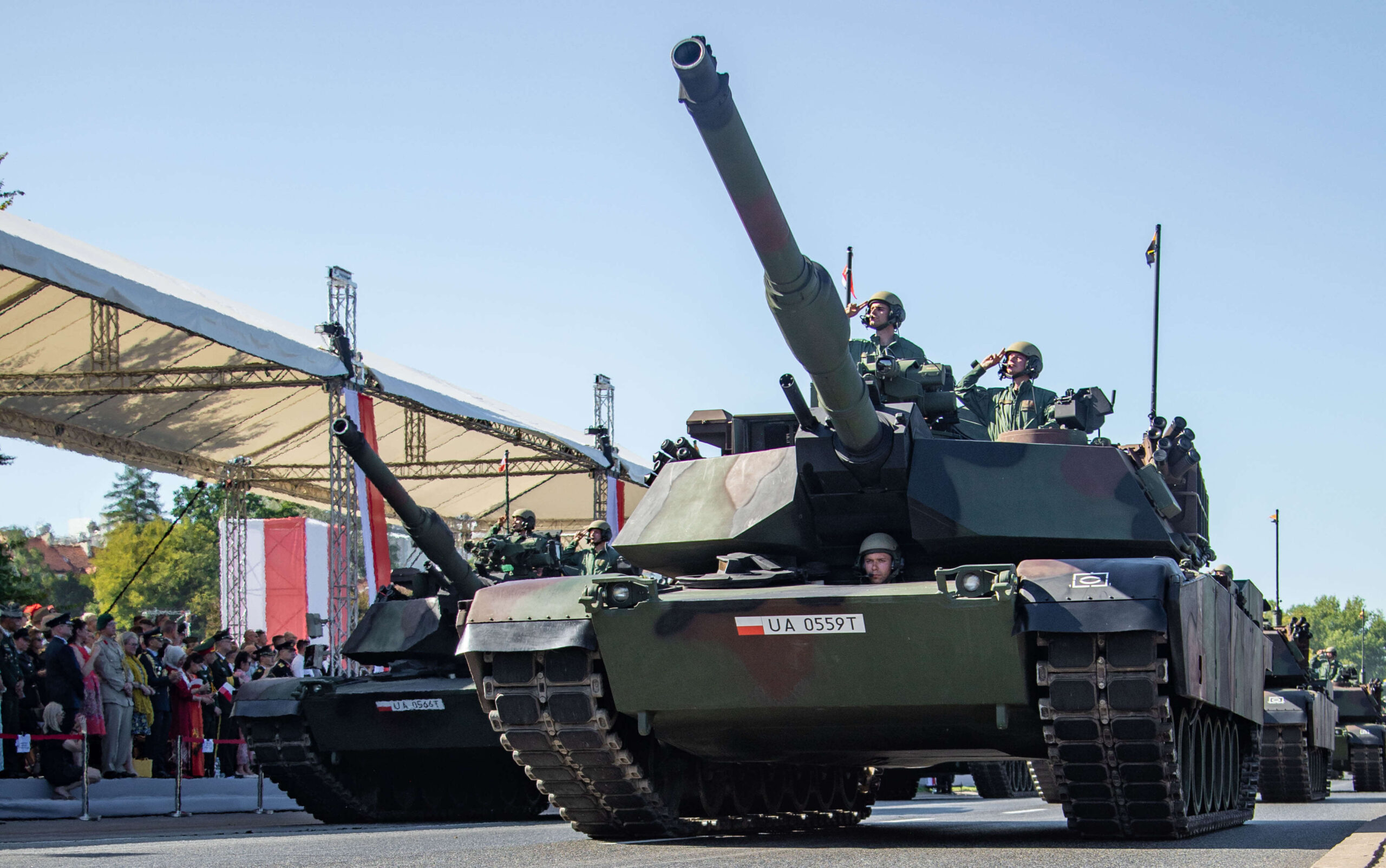
Among Poland’s weapons purchases, nothing is more likely to prevent Russia from invading NATO Europe than the M1 tank – arguably the West’s apex ground combat predator.

The changing climate is already having a profound effect on many of the more than 5,000 U.S. military installations worldwide, including 1,700 that are located in coastal areas affected by sea level rise and storm patterns.
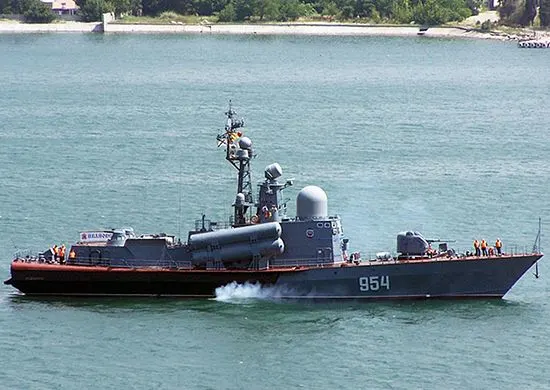
The recent sinking of a Russian navy ship was a solid victory for Ukrainian forces. But it’s a lot more about Russian failures rather than the success of uncrewed drones. The U.S. Navy can learn lessons.

The capability of the Chinese cyber actors has grown, and the last couple of years have taught us that countries with adversarial interests are willing to change their strategy and deploy aggressive actions.

The lowering of educational standards for Navy recruits adds fuel to a national effort that would provide state-level educators with Defense Department data that could help address the recruiting crisis.

Congress and key agencies in the executive branch and not doing enough to support defense innovation. More can and should be done – or else our efforts to deter conflict will ring hollow, and we will risk failure in the battlespace.
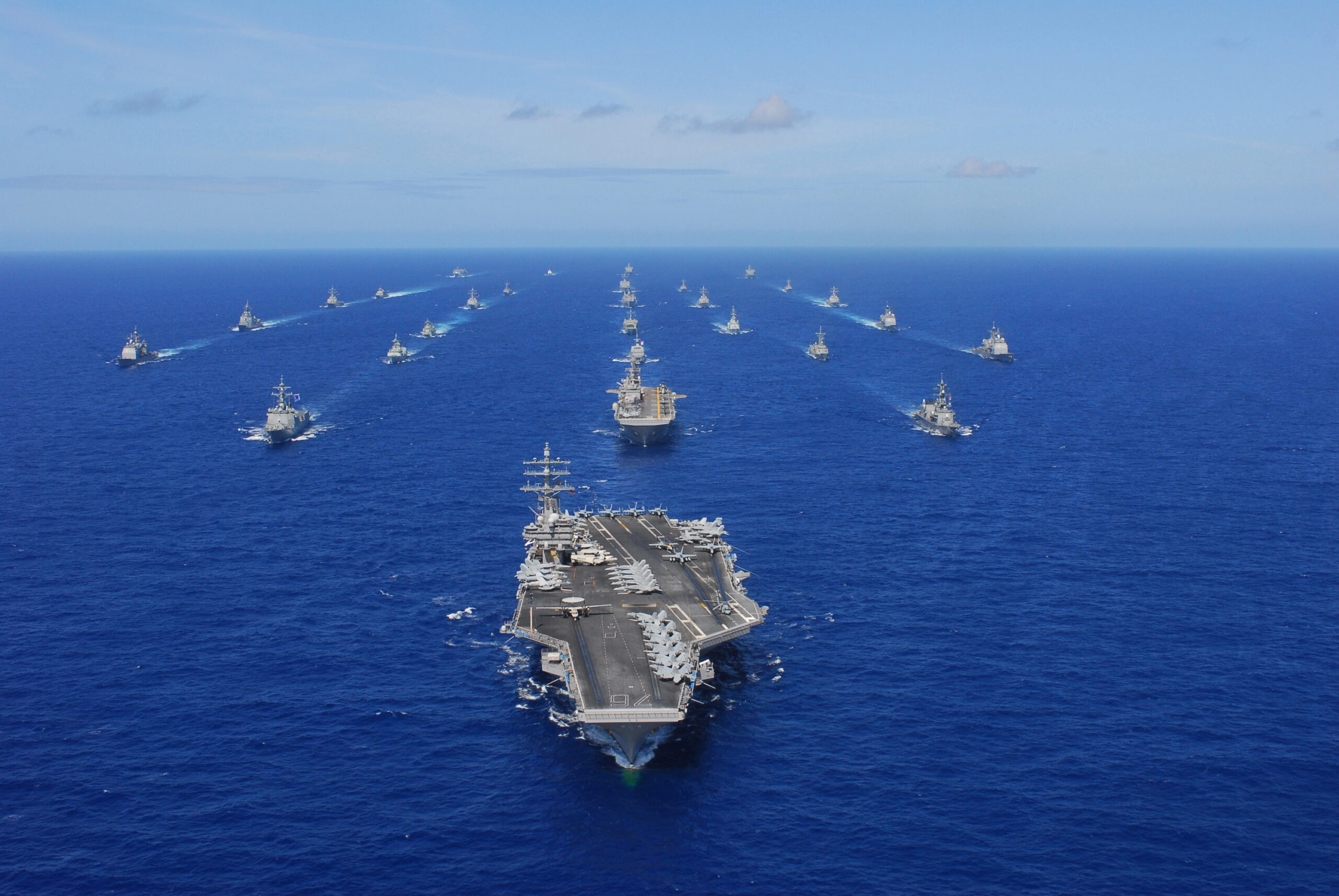
What is missing in the discussion about the right size Navy needed to counter growing threats is a defined maritime strategy, a type of document not used by the service since the end of the Cold War.

The murderous terrorist attack of Oct. 7 by Hamas, coupled with daily rocket strikes into Israel from Gaza and from Hezbollah in Lebanon and constant threats by Iran to destroy it, shines a light on how Israel’s nuclear strategy requires an update and might be optimized for deterrence.
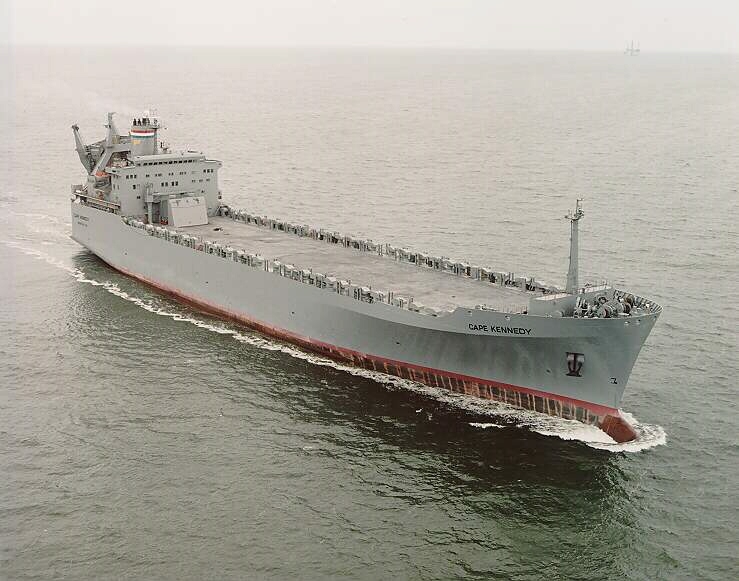
The U.S. Ready Reserve Fleet of cargo and fuel ships that move military gear around the world when needed for a conflict is in serious need of an upgrade. The fleet is aging and generally not ready for war.
Schools and communities lack the data from the armed forces to demonstrate to their students that upon graduation they are well prepared to succeed in the military.

Drug trafficking into the United States is no longer just a criminal act supported by cartels in Mexico and Asia. It has evolved into a strategic plan of attack, similar to the terrorist tactics commonly used to destabilize countries and governments.
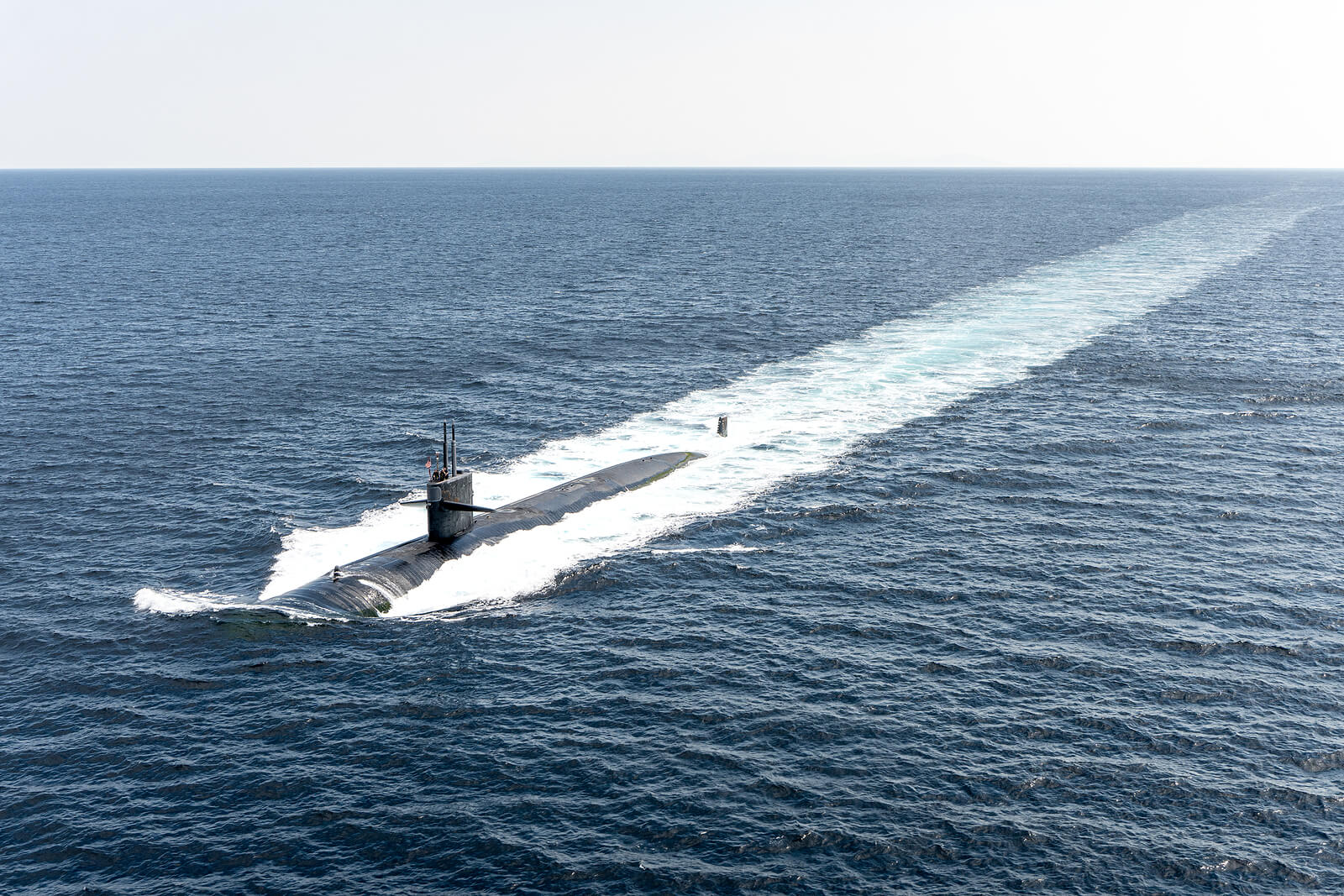
With sound traveling farther the ocean will be noisier, and undersea stealth platforms such as submarines will simultaneously find it more difficult to hide in some circumstances and easier in others—and that is only the beginning.
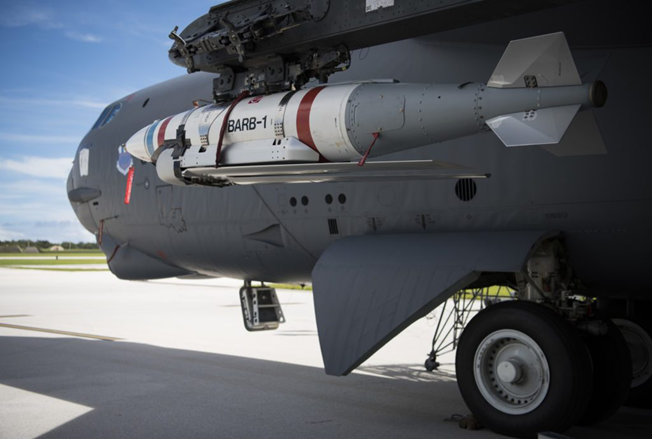
The nation’s mine infrastructure is facing a historic nearly-40 plus year period of neglect and under-investment since the end of the Cold War. This decay also includes industrial capacity, explosives, training, infrastructure, ships and personnel.

It is critical for the world to learn from mainland China’s previous conquest of Taiwan as a guide to how China may seek to seize that island again.
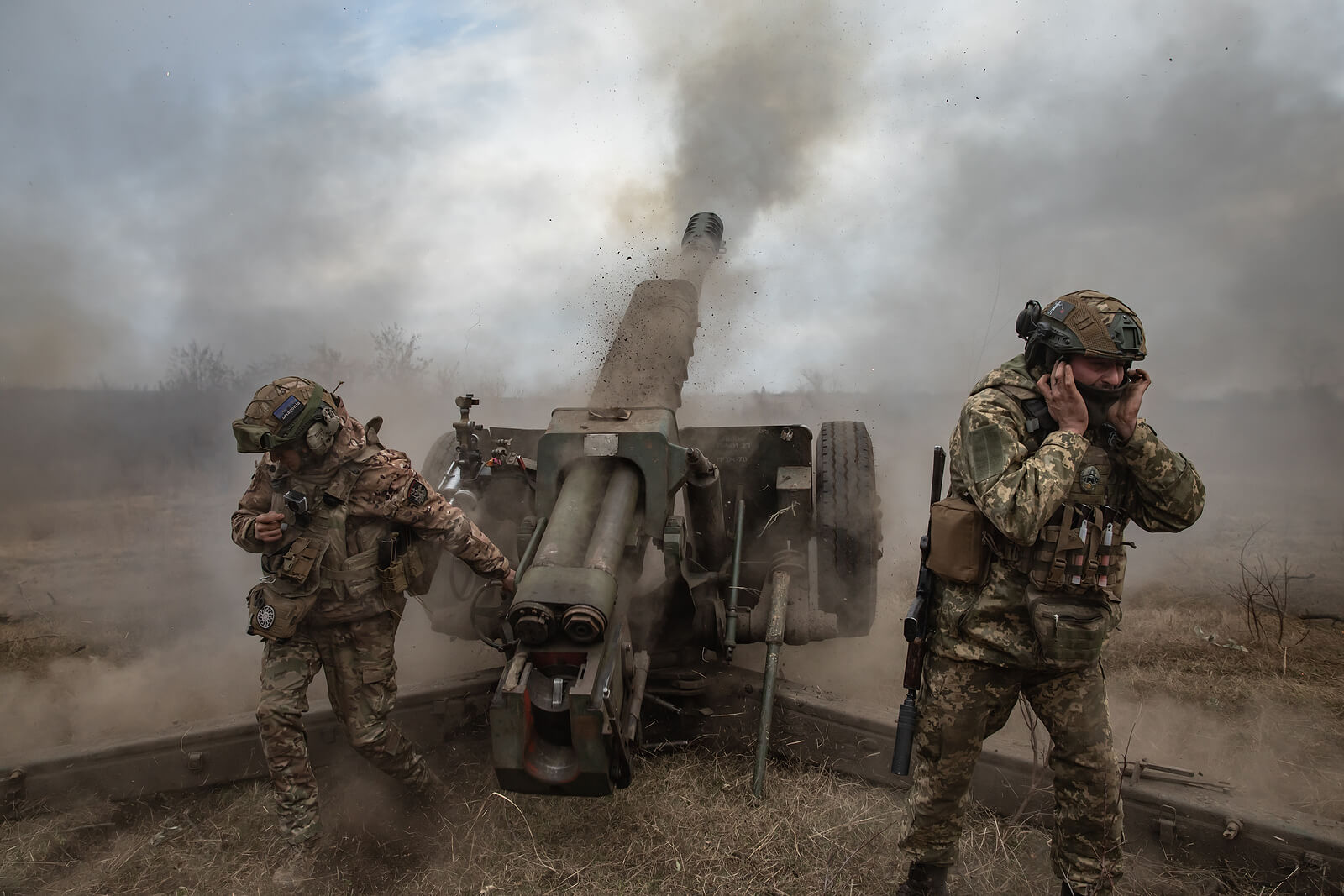
Sen. Paul uses half-truths that may be appealing to some Americans. They should know the whole truth and understand the stark consequences if we fail to maintain our resolve.
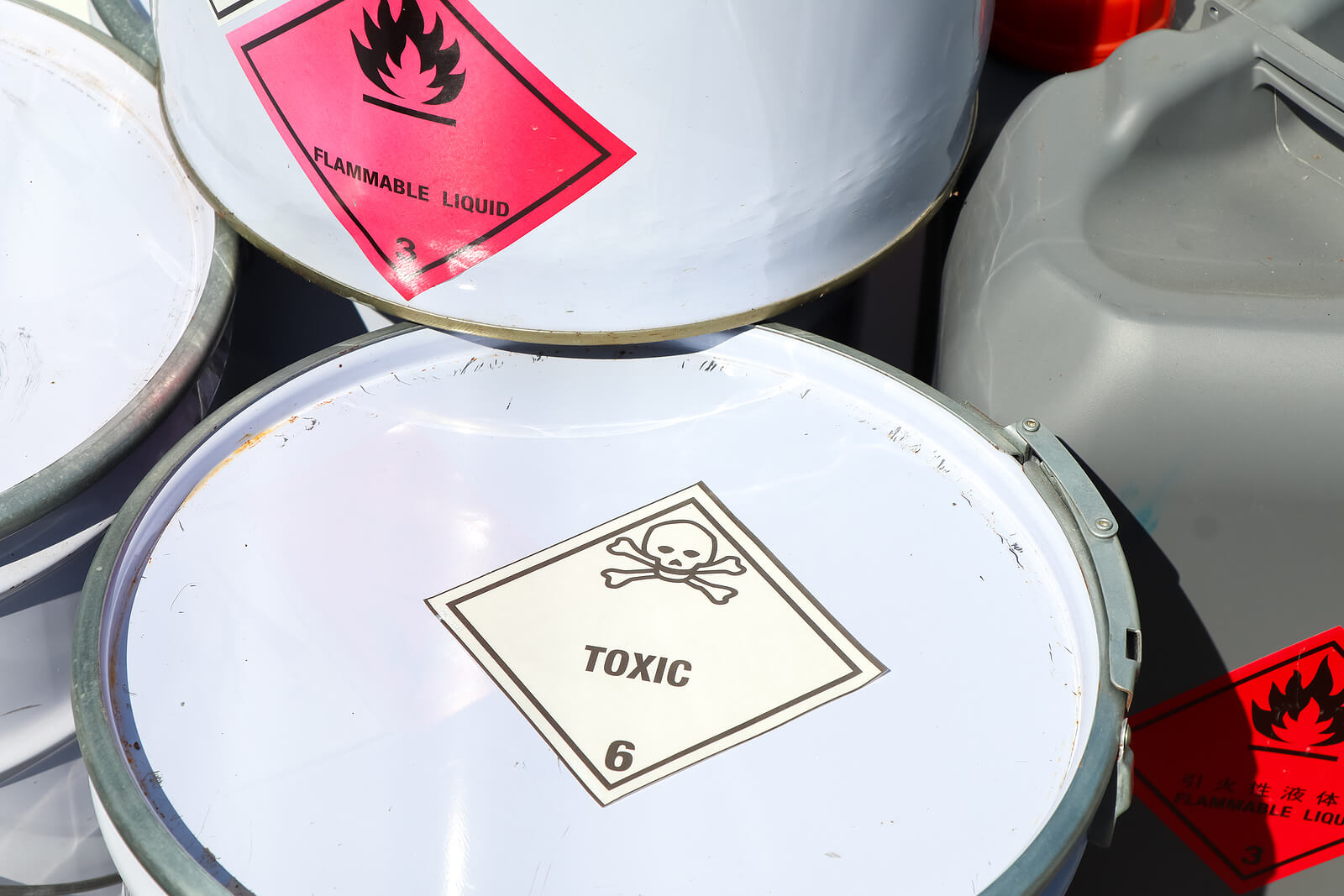
One growing threat that military commanders need to consider in their operational strategy is the presence of toxic industrial chemicals.
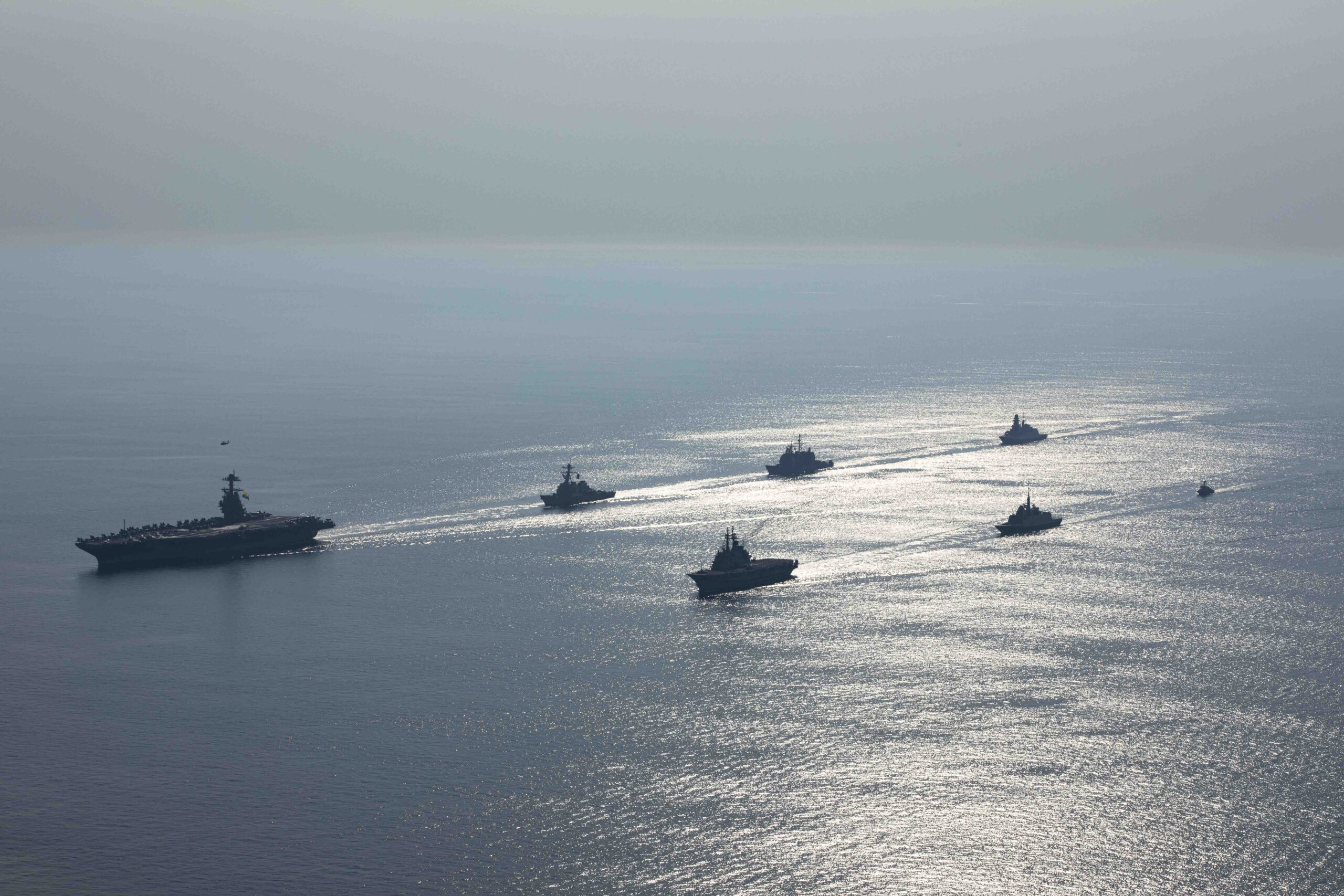
The Navy has struggled over the past quarter century to implement changes in a challenging budget environment. The evidence of struggle is clear.

It’s long past time for the Senate to act to end the wrongheaded actions of one person, and if it fails to act then it is complicit in his damaging actions.
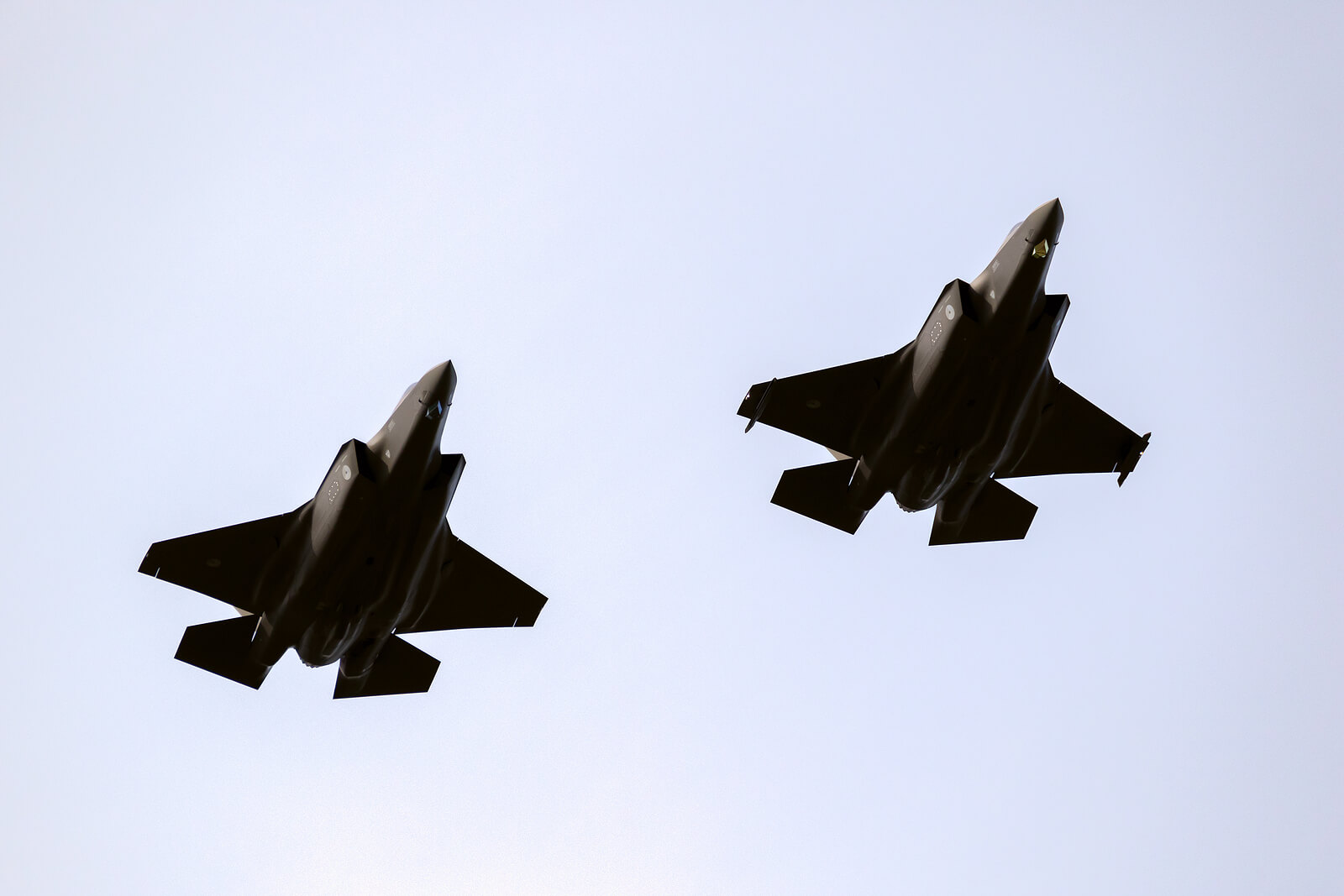
It is imperative to keep the F-35 one step ahead of any potential threats. This includes performing necessary updates, such as engine upgrades.

Government bureaucracies don’t move fast until they get hit in the face by overwhelming evidence and public pressure from those actively suffering or injured by a health condition or occupational threat. Today, we are witnessing something similar play out with the Departments of Defense, Veteran’s Affairs and Health and Human Services in relation to brain injuries, a signature injury the last two decades of persistent conflict.

Disorienting weapons that operate at the speed of light or speed of sound – such as laser dazzlers or long-range acoustic hailers—can be valuable complements to more lethal systems that are less responsive. Moreover, intense, unexpected stimuli can unnerve military personnel in ways that cause them to flee the battlefield.

The mental health of America’s youth is in crisis, and it stands to reason that military-connected youth are facing the same crisis, if not worse due to the added stressors faced by military families.

A far-reaching study by Navy researchers has found that exposure to munitions blast waves from combat and training may be causing brain injuries the aggregation of which is resulting serious and often deadly ailments such as depression, PTSD and suicide.
