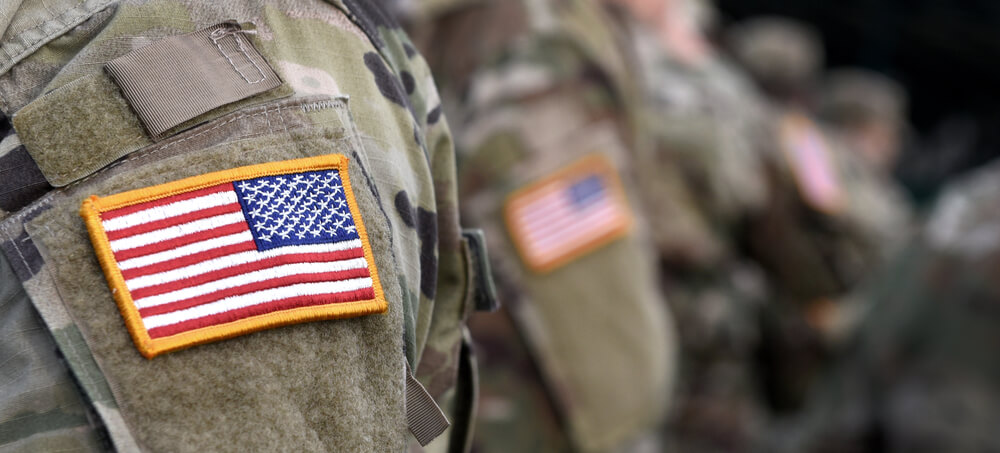
Cracks in Civil-Military Trust are Widening
What was once among the most trusted institutions in American public life has seen its standing erode in tandem with the broader collapse of institutional trust.


What was once among the most trusted institutions in American public life has seen its standing erode in tandem with the broader collapse of institutional trust.
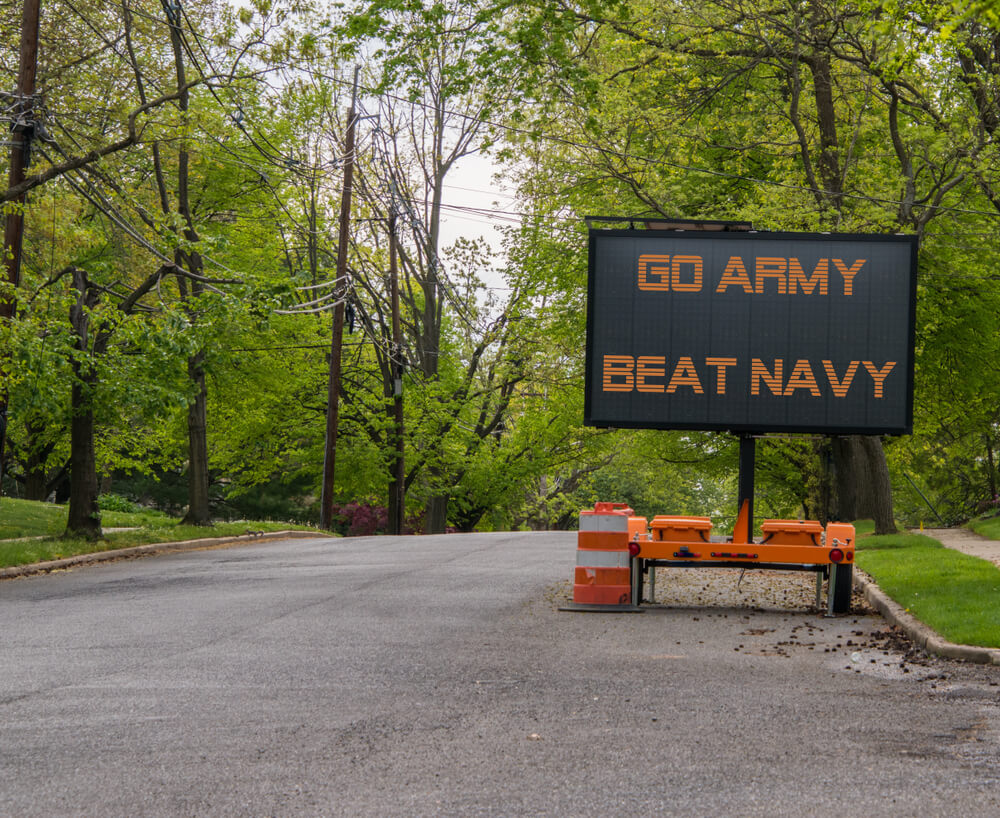
The Army-Navy rivalry points the way to a more civil and hopeful future of disagreeing better and working together for something worth defending.
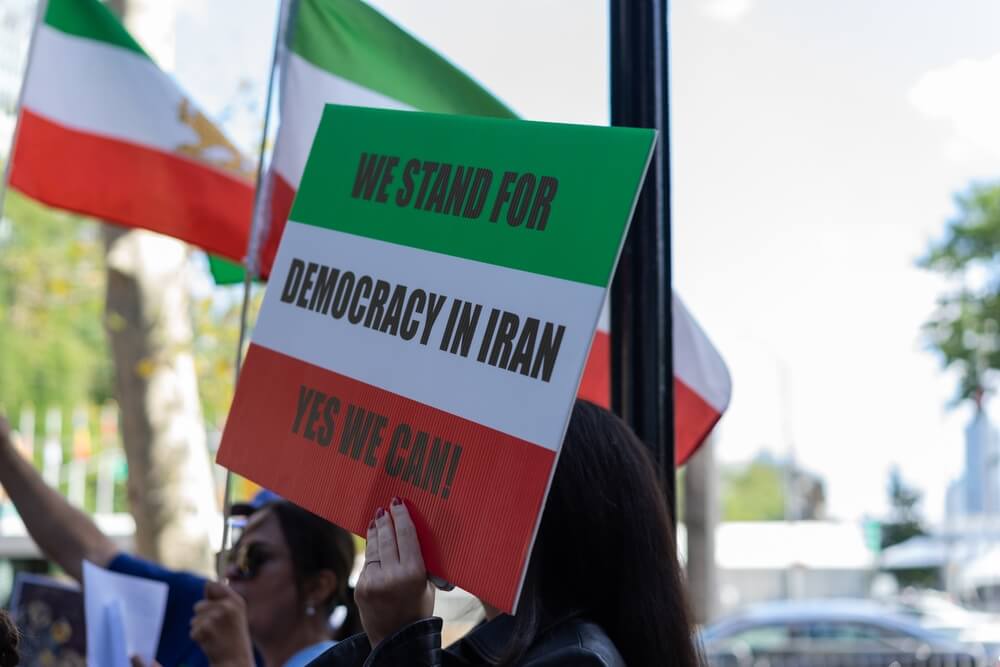
For decades under a religious dictatorship, Iranians have demonstrated a profound resilience and a steadfast desire for democratic change. The United States has a pivotal role to play in supporting these aspirations.
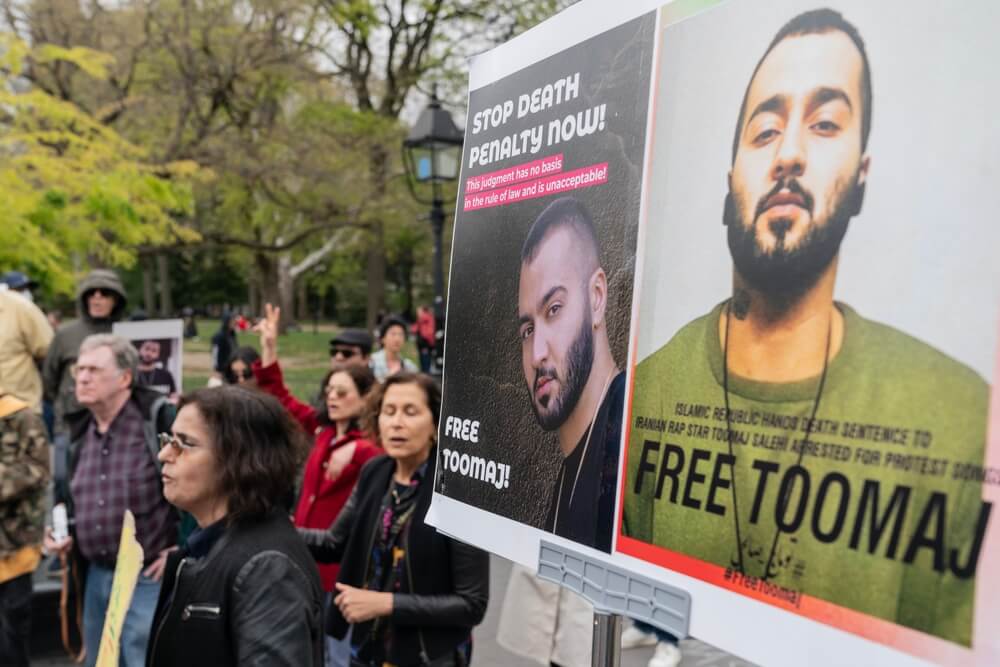
Despite the Iranian regime’s relentless crackdown through killings and executions, the movement for change has not only persisted but has also grown in intensity and scale.
Education provides the foundation for pluralism. Without it, you can’t have a democracy, with a populace prepared for the challenges and the critical thinking required to make the right decisions.
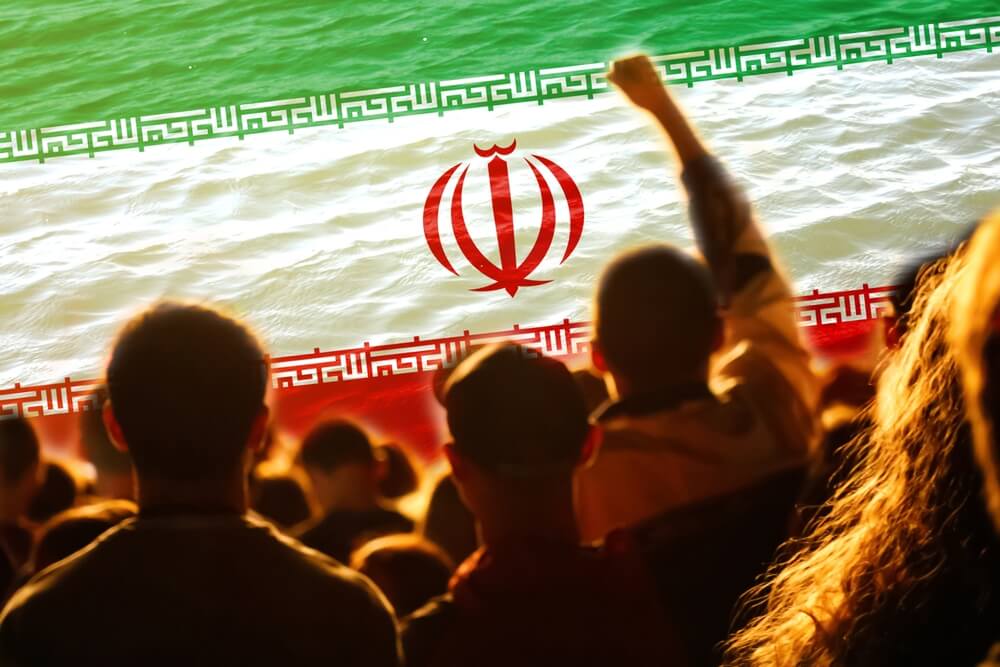
Recent elections in Iran starkly underscore the systemic and deep-seated issues plaguing the Islamic Republic’s political system, highlighting the undeniable truth that elections in Iran are fundamentally neither free nor fair.
Recent advances in artificial intelligence technologies are prompting a growing number of experts to raise the alarm about the capabilities of so-called generative AI to lock us inside blinding illusions that erode democracy.
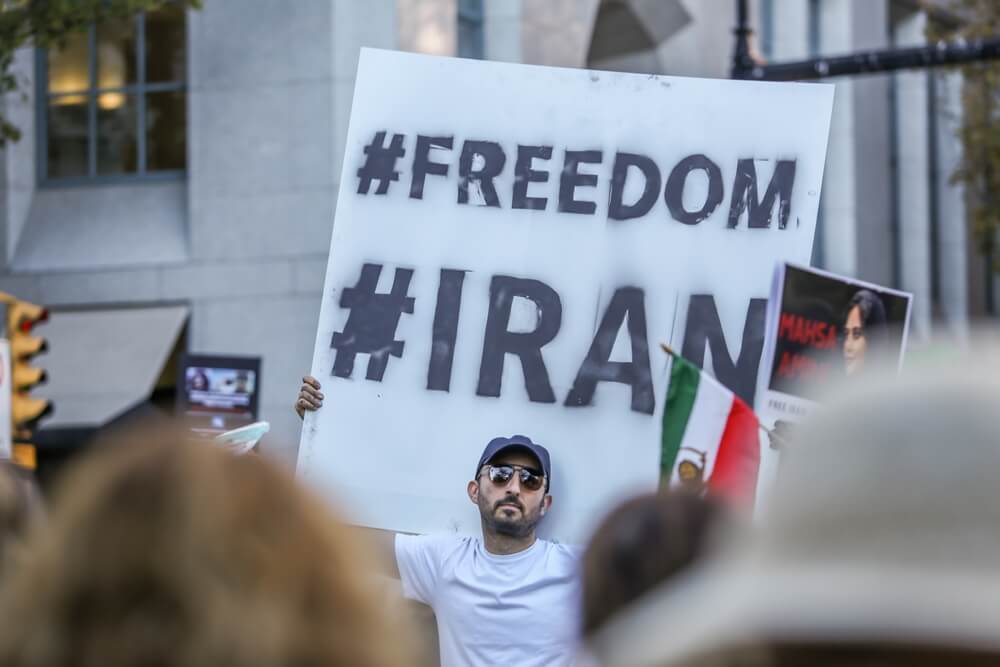
Beyond the executions, a particularly disturbing development has emerged within the Iranian prison system: the escalation of pharmacological torture against political prisoners.
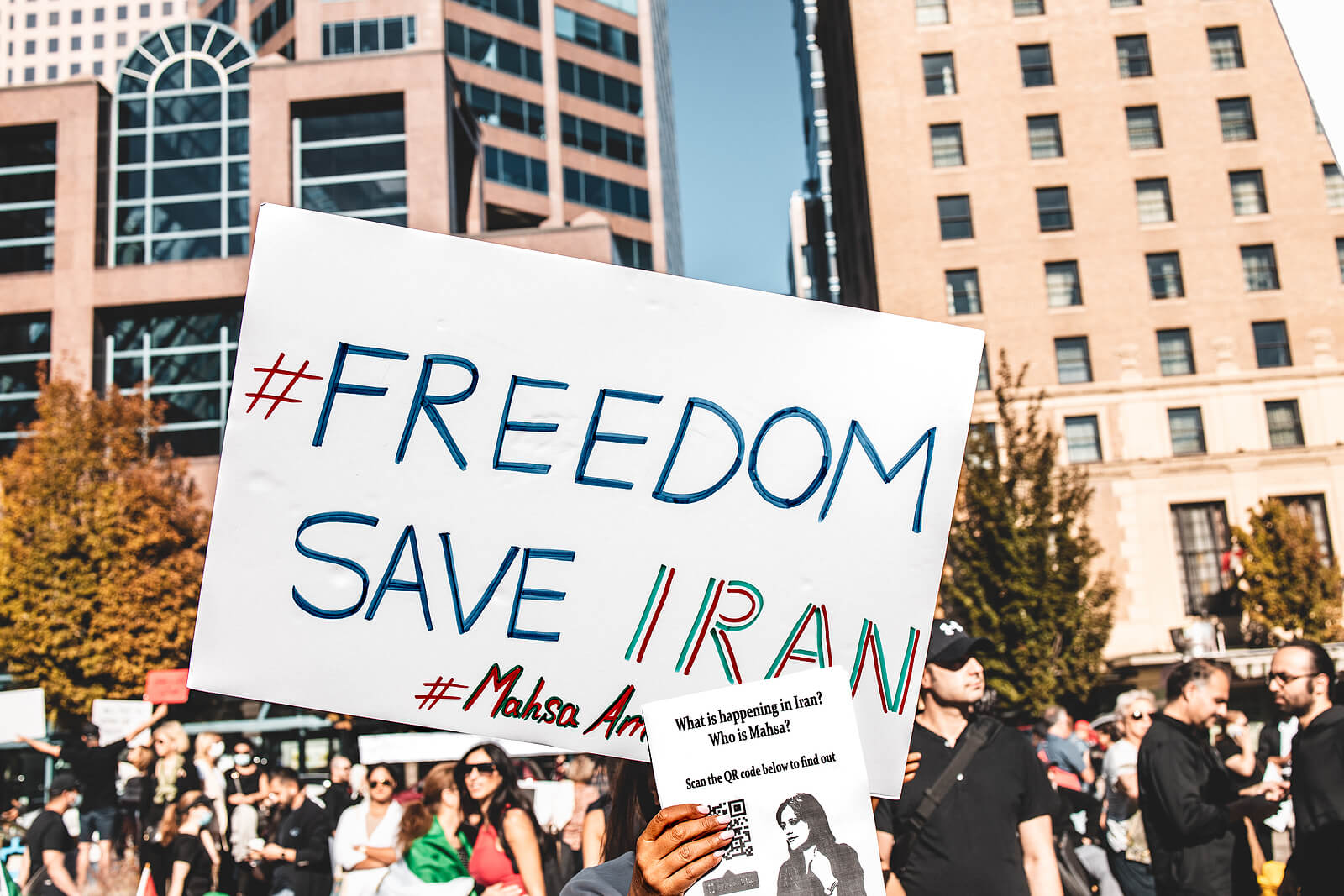
As the relentless protests in Iran enter their sixth month, the government’s tactics are shifting in a recurring pattern of violence and intensive crackdown against the physicians and nurses treating the wounded protesters.
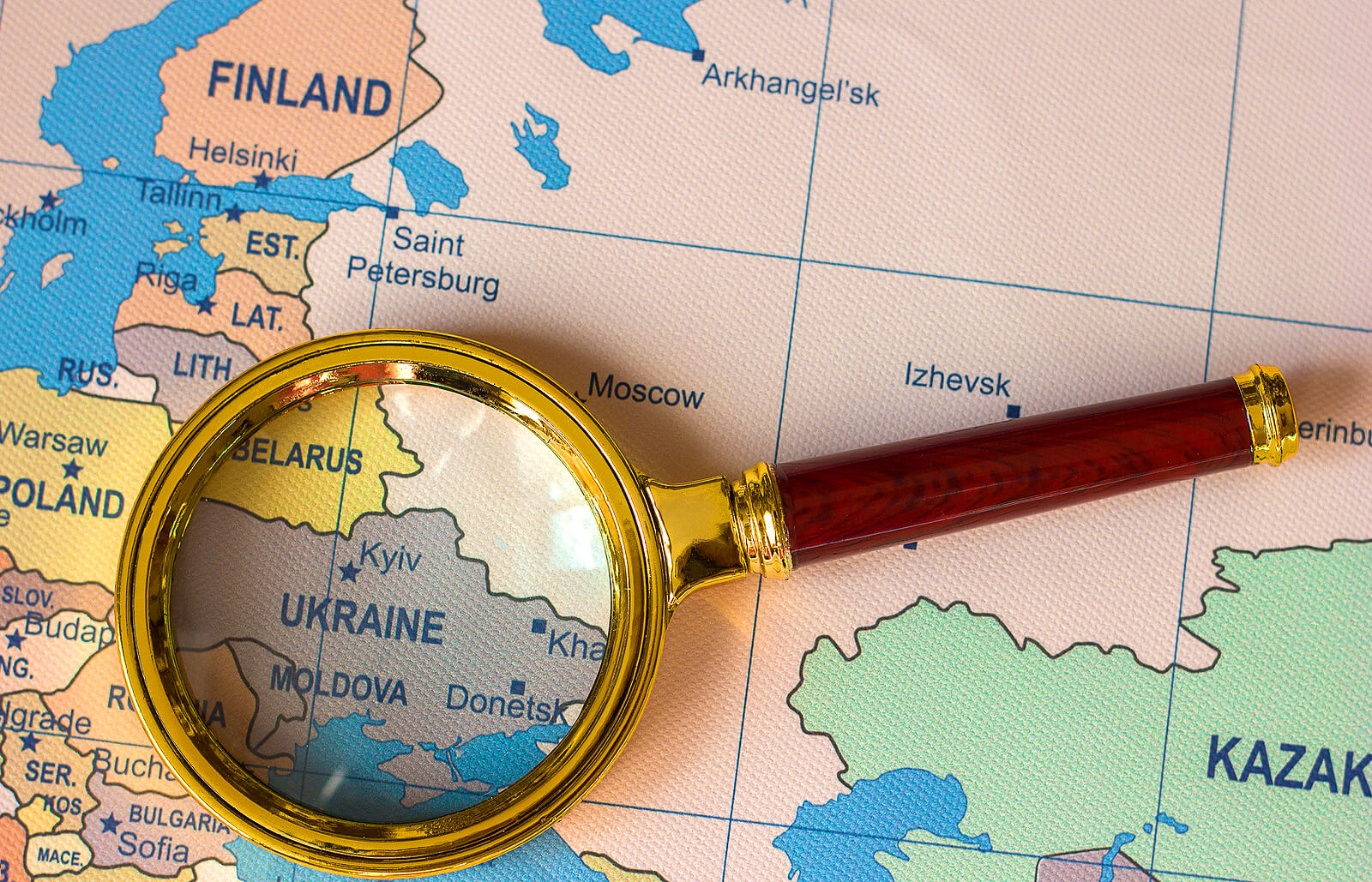
Ukraine is fighting to retain its freedom from the grips of Moscow while at the same time trying to approximate a K-12 education for the nation’s 5.7 million school-age children. It highlights the resiliency of Ukrainian children.
A practical solution to disinformation must bring together experts from computer science with researchers in social and behavioral sciences, the humanities and user communities to develop strategies that “inoculate” users and empower them to protect themselves.

A growing domestic movement is seeking to gain power by discrediting, rigging and subverting the trusted procedures and mechanisms of America’s democratic self-governance. A group of experts at the University of Buffalo is helping to combat the threats by closely scrutinizing the existing legal treatment of speech and information and the media in which they appear.
The warped reality of disinformation spreading online is a national security risk requiring an all-hands-on-deck approach to thwart the growing dangers. In this three-part series, experts at the University of Buffalo’s Center for Information Integrity assess the threats, the danger they pose, and a range of possible solutions.
First in a three-part series…
