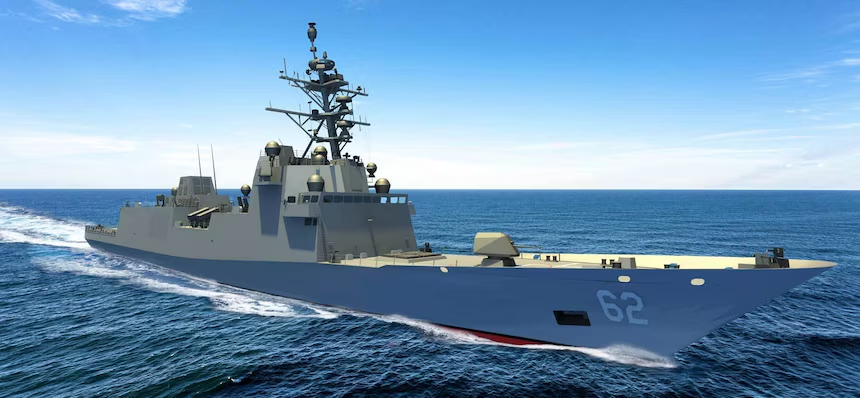
Time to Fix the Navy’s Frigate Problem
It’s time to fix the frigate, and produce it in numbers, even at the expense of the larger DDG, and pair all manned combatant ships with unmanned “sidekicks.”


It’s time to fix the frigate, and produce it in numbers, even at the expense of the larger DDG, and pair all manned combatant ships with unmanned “sidekicks.”

But several recent developments should lead policymakers to rethink the wisdom or feasibility of clearing a “pipeline” from this critical band for 5G expansion.

Defense technology has advanced a lot since the 1980s and offers new opportunities that the U.S. is determined to seize.
Adopting agile practices from the commercial sector allows government organizations to deliver the flexibility, innovation and readiness the mission demands while strengthening national security.

The Modular Open Systems Approach to aircraft design emphasizes the use of modular components with standardized interfaces. This allows for easier upgrades, maintenance and integration of new technologies over time.

While Russia seeks Ukraine’s subjugation in Europe and the People’s Republic of China looms as a rising danger to Taiwan across the sea in the Pacific, the military dimensions of space have grown ever more important.

No analysis has yet proven that the new auction of the lower S-band spectrum won’t impair vital military systems, now and into the future. Done wrong, an auction could disable some of America’s most advanced capabilities.

President Donald Trump and Secretary of Defense Pete Hegseth are doing the right thing as they seek to cut billions from budgets. Here are five areas they should focus on that can help guide cuts and reshape the military, with national treasure spent on capabilities and force structure we need, rather than on what we don’t.
Artificial intelligence should have a role in any unified threat intelligence strategy for the U.S. military, because of its incredible potential to accelerate production of actionable intelligence and decision-advantage workflows.
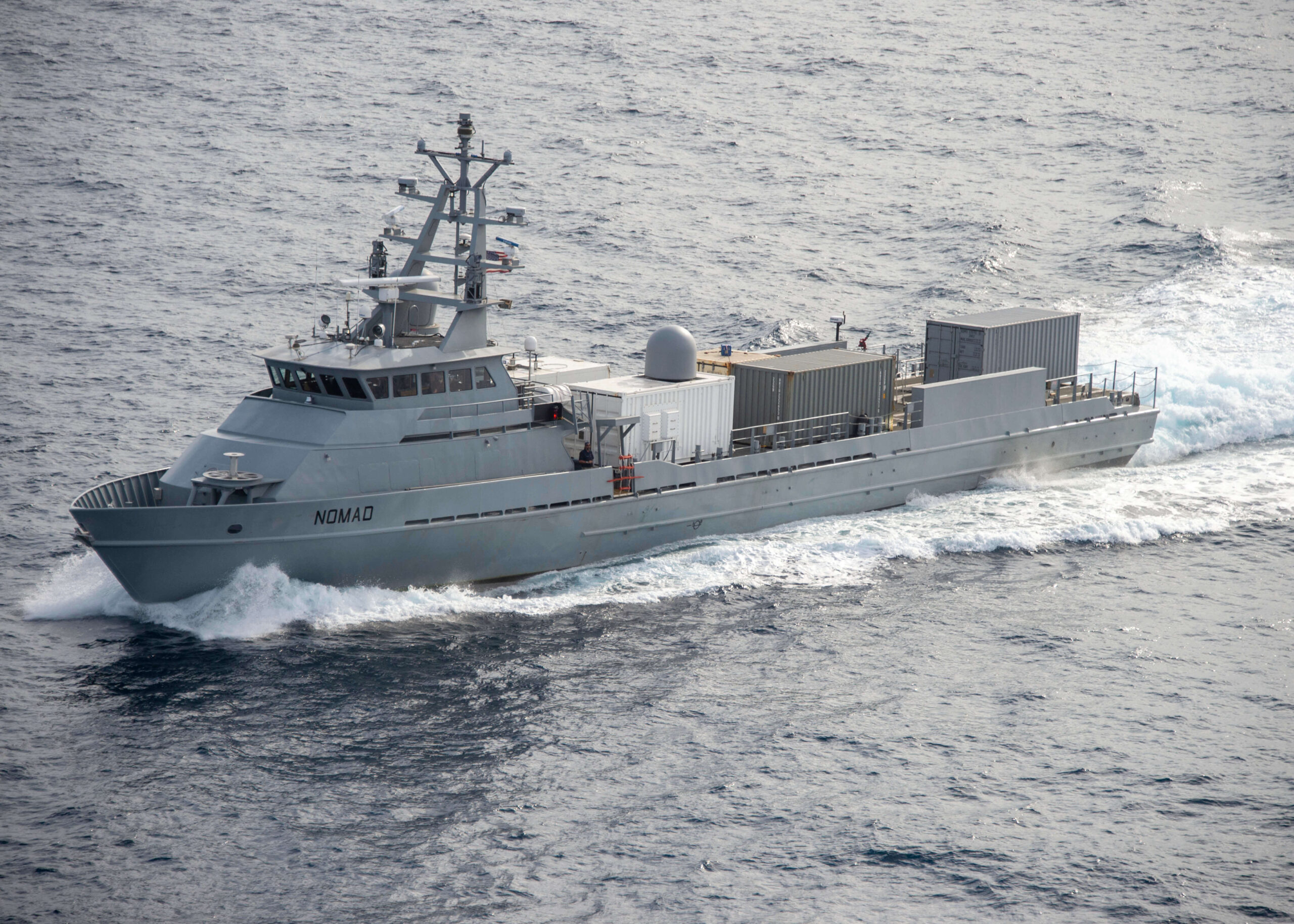
The Navy may need to produce prototypes and deploy them to combat zones like the Red Sea in order to make rapid decisions in shipbuilding acquisition.

Provoking conflicts with friends and disrespecting leaders of close allies like Canada is no way to conduct foreign policy.
The United States has ceded its leadership position in space-based positioning, navigation and timing, with stark ramifications for most all U.S. critical infrastructures and the U.S. military.
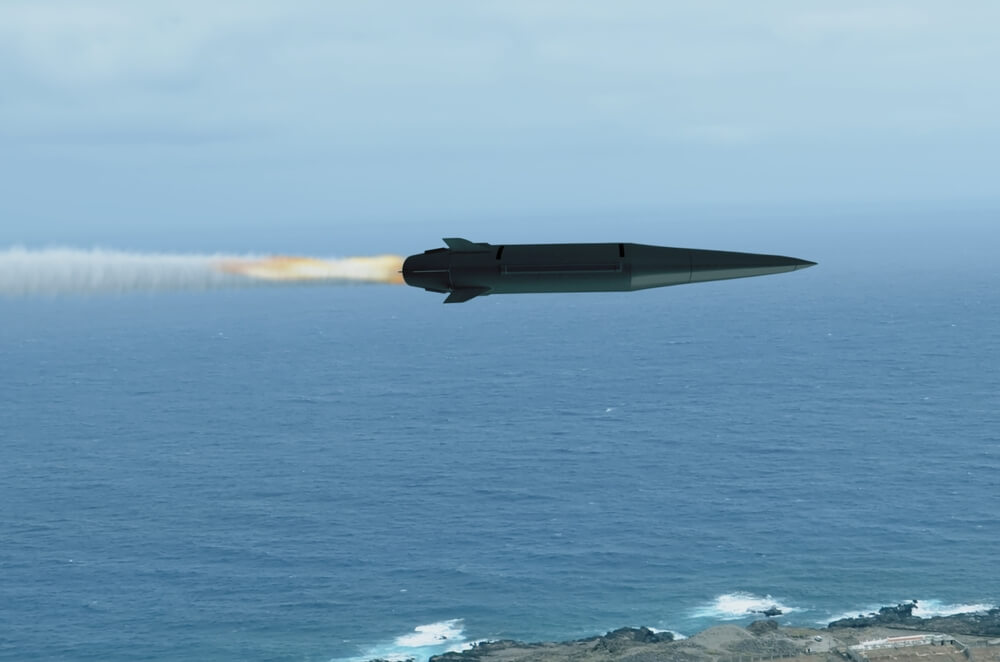
The U.S. must conduct aggressive on hypersonic and counter-hypersonic weapons, especially since adversaries have adopted precisely this mindset. A risk-averse mentality that demurs on military development will lose the United States the next war.

Ensuring our allies adopt semiconductor export controls that mimic the U.S. policies regarding these primary adversaries, especially China, would provide a nonpareil military advantage to the U.S.

The escalating frequency and intensity of wildfires demands something new to combat them — a wholesale embrace of the most powerful technology available: military-grade artificial intelligence.
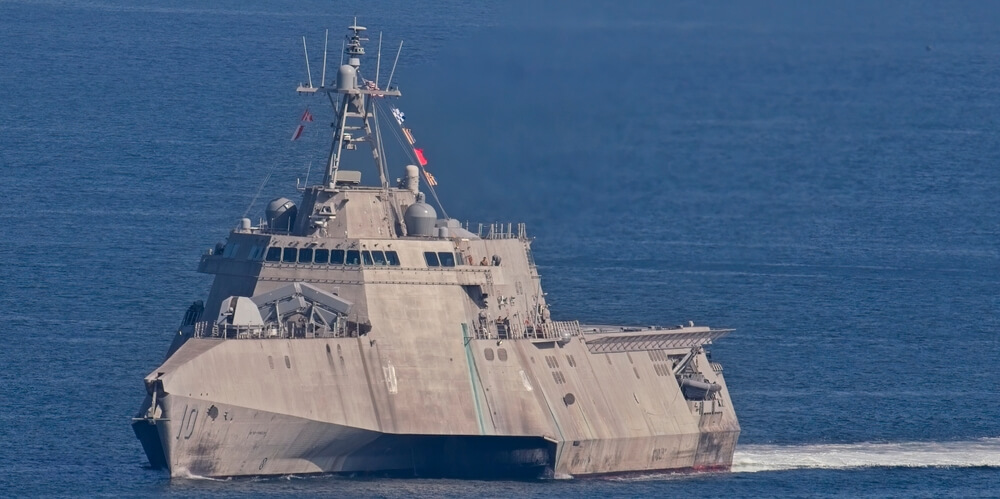
With the looming prospect of war with China in the near future, it’s time to focus on what the U.S. Navy’s Littoral Combat Ships can do for the Navy and Marine Corps.

Now that Donald Trump has won a second term, the Alabama congressional delegation is already lobbying to have the U.S. Space Command headquarters moved from Colorado Springs in Colorado to Huntsville, Alabama. That would be an unnecessary, expensive and disruptive move.

Taiwan should speed up adoption of a “porcupine” approach to its own defense, enabling it to inflict substantial damage to any invasion force through development of asymmetrical capabilities.

For decades under a religious dictatorship, Iranians have demonstrated a profound resilience and a steadfast desire for democratic change. The United States has a pivotal role to play in supporting these aspirations.

U.S. policy is burdened by strategic dithering — supporting Ukraine enough to not lose, but not enough to be victorious.
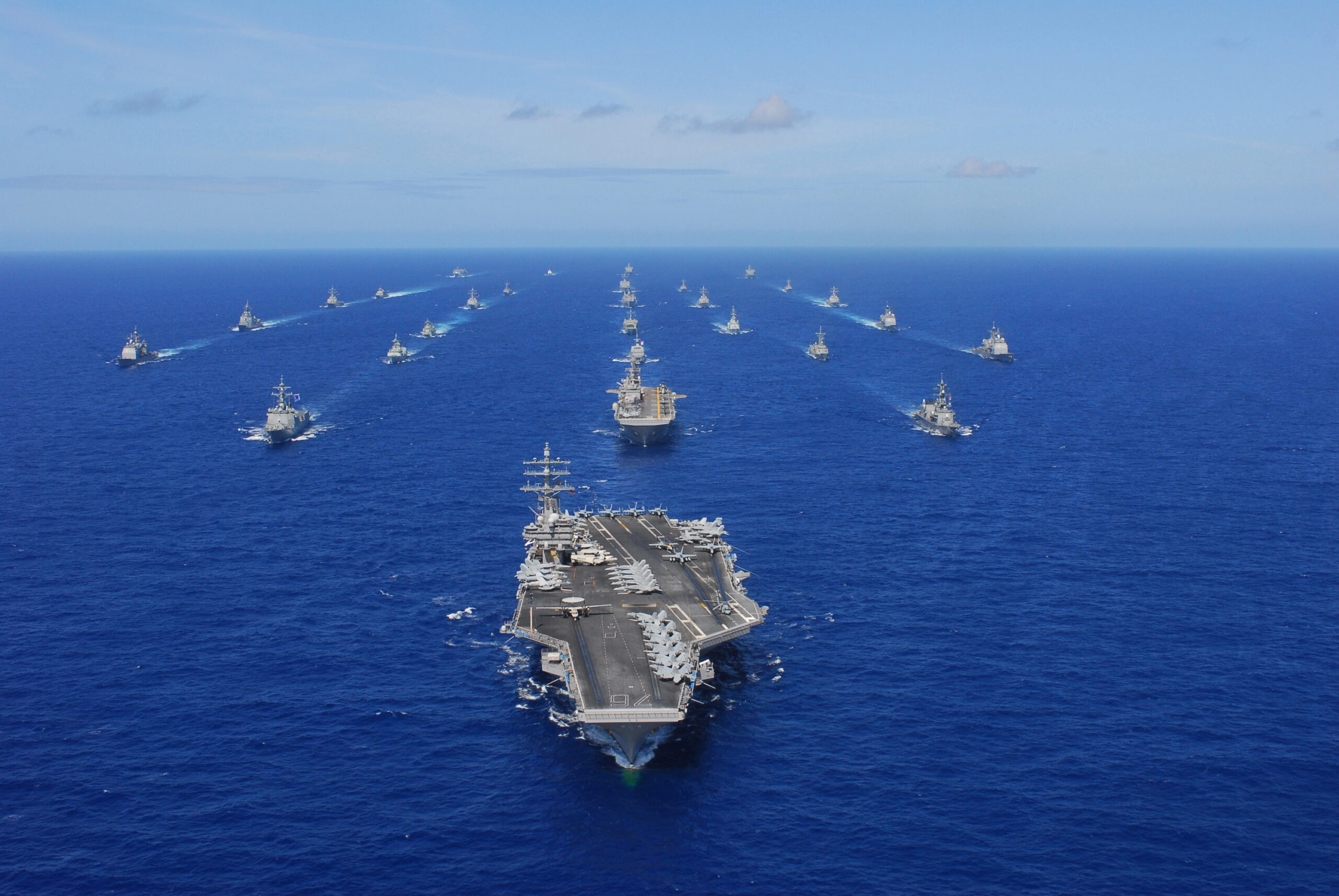
The next Navy secretary should create a group of upwardly mobile Navy, Coast Guard and Merchant Marine captains and Marine Corps colonels to experiment with new concepts of naval strategy and operations. The increasing tensions with China demand it.

President-elect Trump and his national security team want change in the U.S. military. They can score fast wins by correcting major defense program mistakes made by the Biden administration.
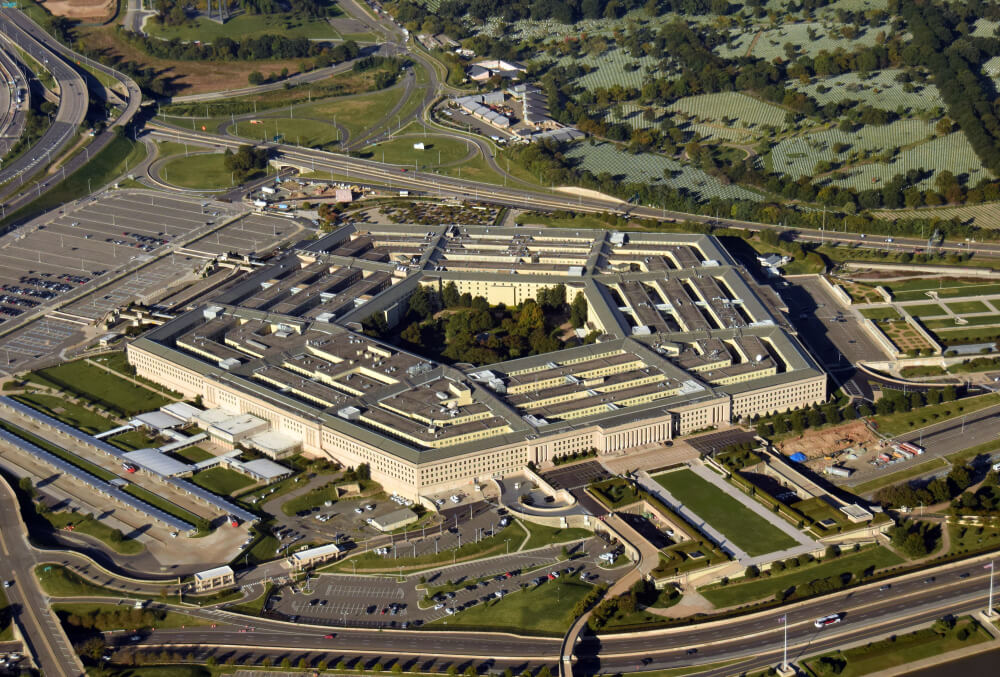
Here are a set of top priorities the new Trump administration should consider for the first 100 days in the Department of Defense.
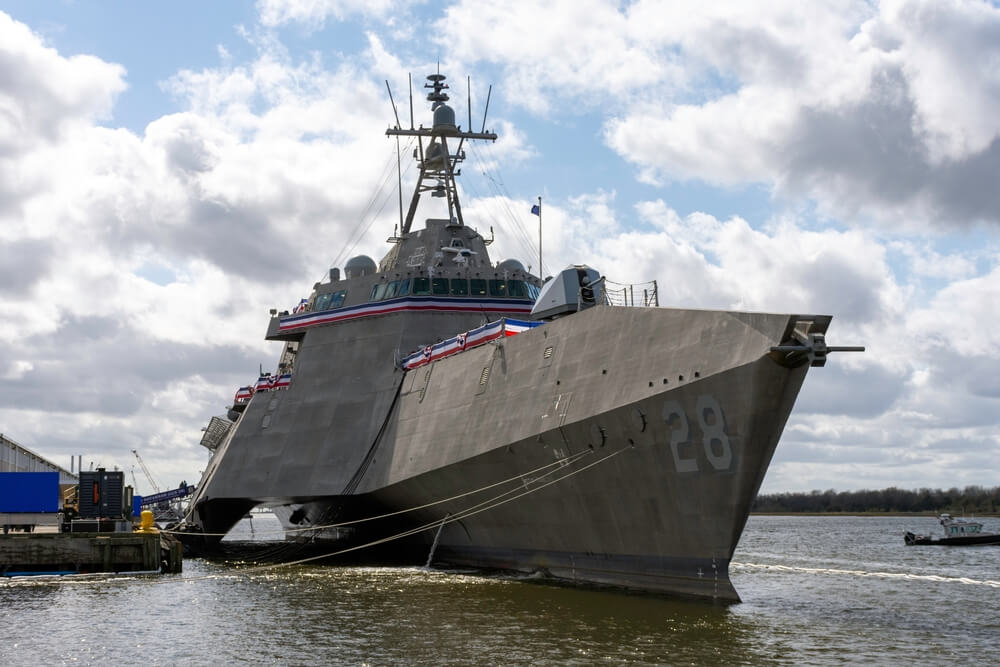
Among the first actions it takes in the Pentagon, the incoming Trump administration should commission a top-to-bottom review and reform of the Navy bureaucracy that develops new warships.
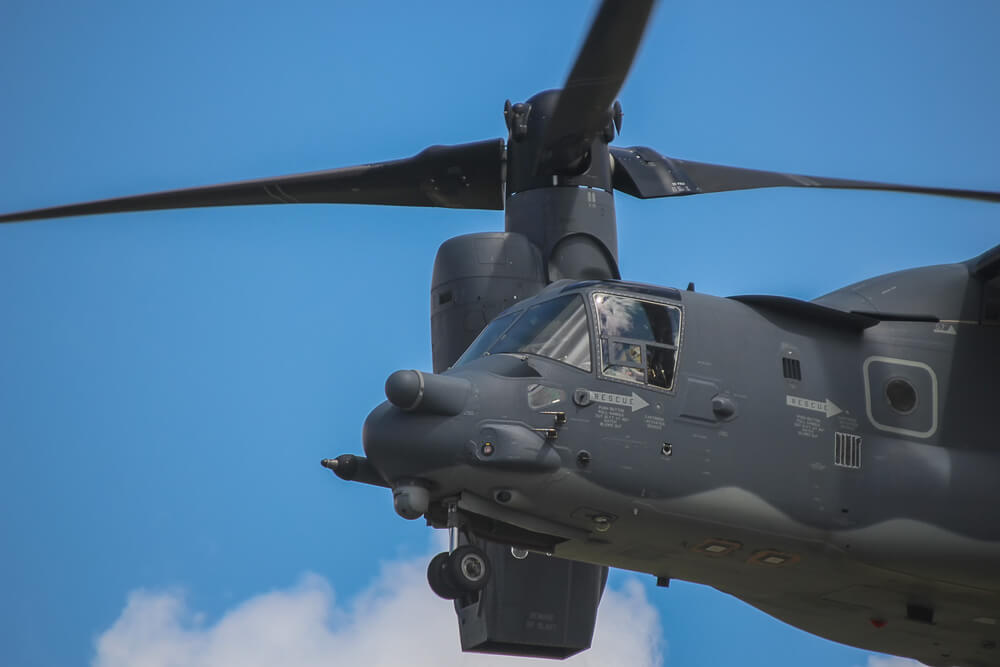
It’s now almost impossible to imagine a time in Air Force Special Operations without the CV-22 Osprey. The Osprey has been at the forefront of the toughest missions since its first combat deployment in 2009.

An important American national security institution stands at a crossroads. The Committee on Foreign Investment in the United States, which for decades has protected key domestic industries against potential threats from foreign investments, has been thrust into uncharted territory.

It will take years to purge the myriad military systems containing content from our adversaries. In the meantime, we remain at risk for a catastrophic event that could disrupt military operations and cripple critical infrastructure.
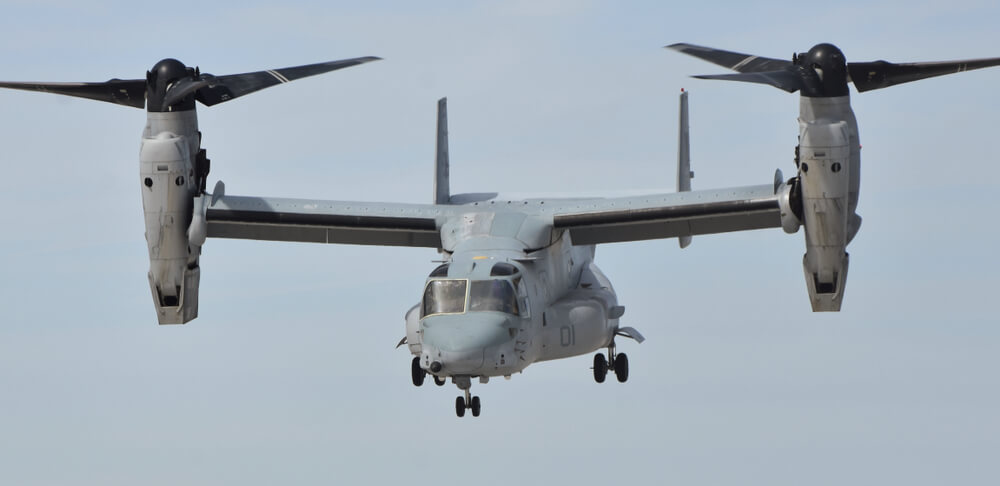
Every military aviation accident is a tragedy, and we must always strive to improve safety. But context is important, and the idea that the V-22 is more dangerous than other aircraft is just a myth, pure and simple.
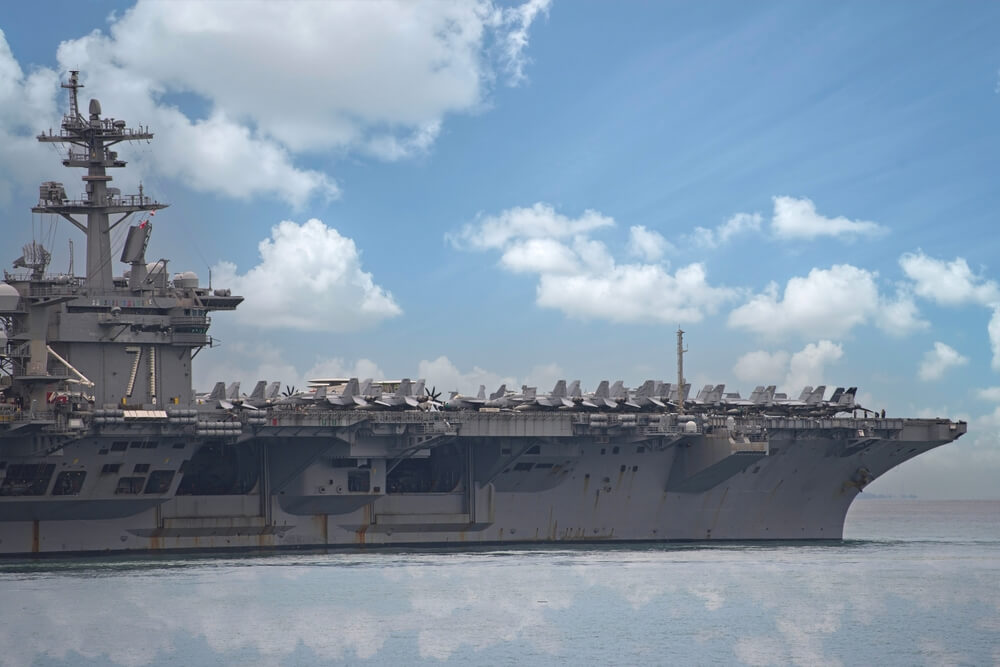
Sending the USS Abraham Lincoln aircraft carrier at high speed to the Middle East has created an aircraft carrier gap in the Pacific. The carrier fleet is stretching to perform its global role.
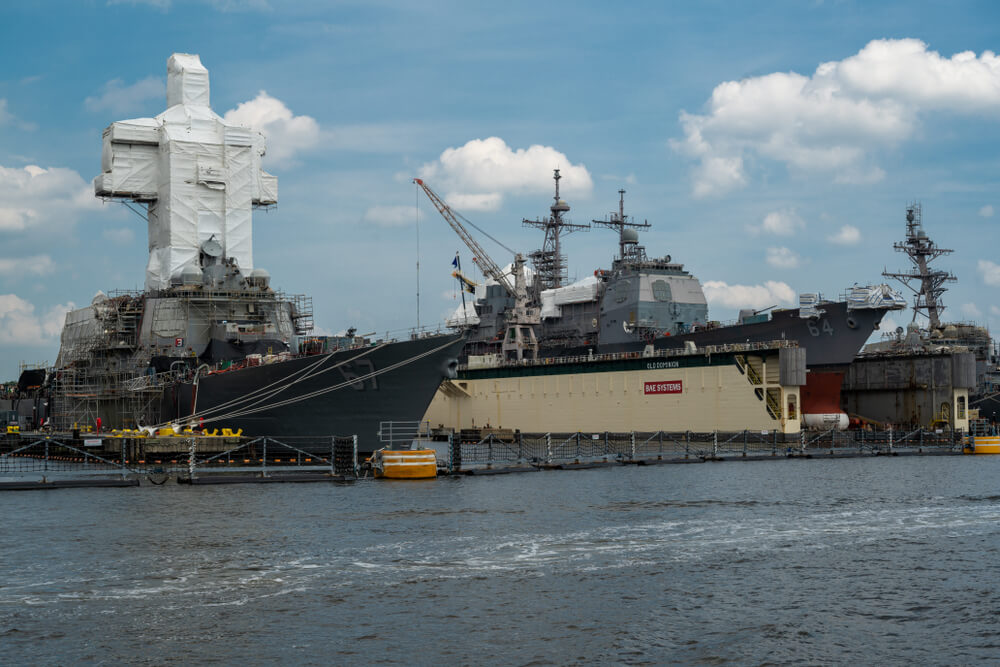
The Navy’s more diverse ecosystem of maintenance has seen its shipboard, tender-based and local-homeport components decimated since the end of the Cold War. Bringing back a maintenance and repair system at multiple levels might ease the burden on shipyard-level maintenance and repair.
