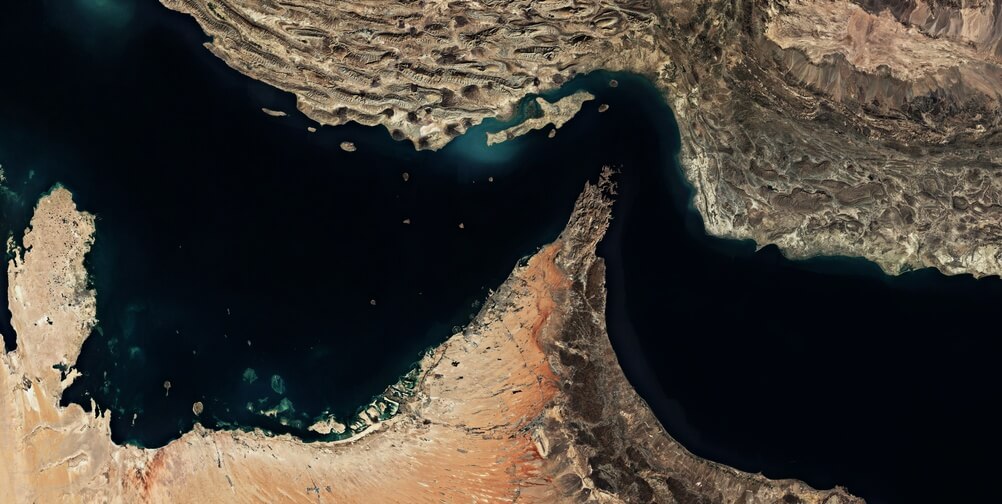
Japan, South Korea Could Help in Hormuz, But at Cost to Deterrence
South Korea has a robust navy that could help in Hormuz. A closer look reveals that its core ships are intricately integrated with deterrence on the Korean peninsula.


South Korea has a robust navy that could help in Hormuz. A closer look reveals that its core ships are intricately integrated with deterrence on the Korean peninsula.
The U.S. Indo-Pacific Command must modernize networks, data environments and coalition structures. It must also enhance cybersecurity strategies to achieve decision dominance by 2027 and beyond.
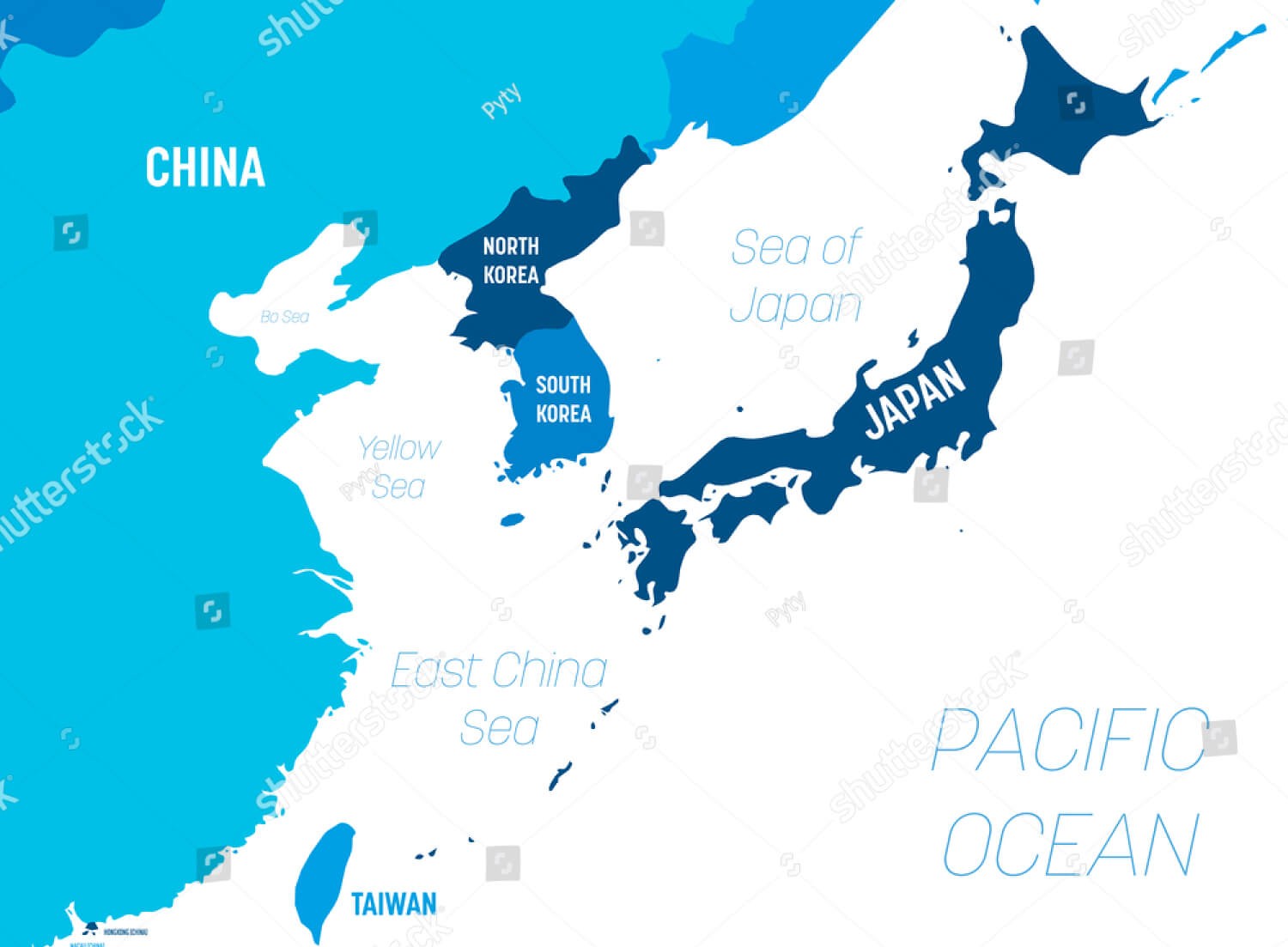
Seoul is planning to deploy four electronic warfare aircraft by 2034. Such a decision is a landmark that indicates a doctrinal shift.
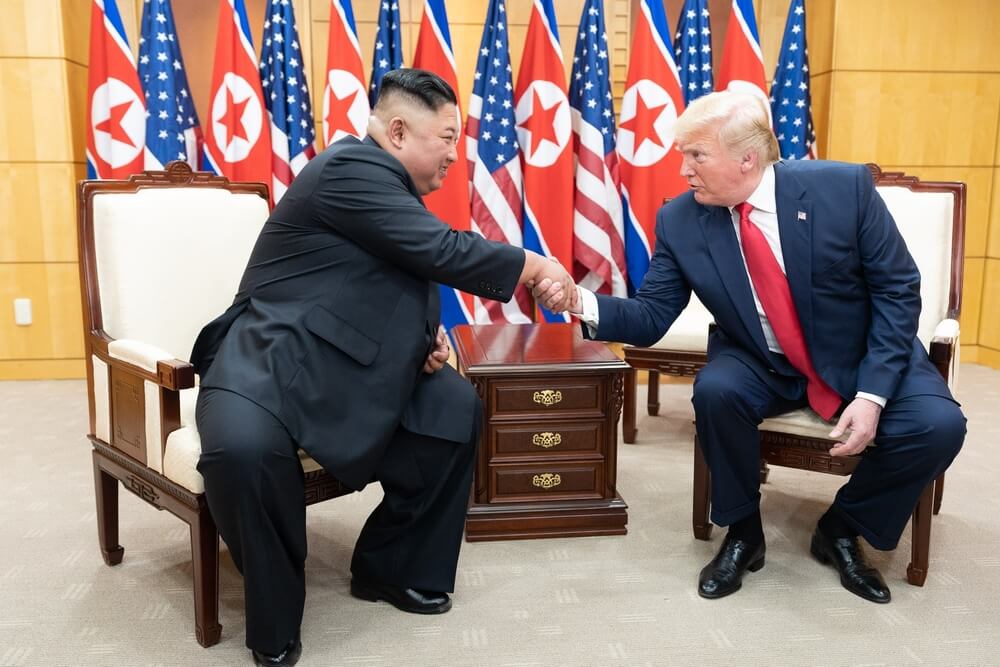
If President Trump meets with Kim again, the outcome will likely be the same as his faux summit with Russian President Putin.
A transfer could slow decision-making and complicate alliance coordination during the unprecedented chaos of a dual contingency.
While the United States maintains extended deterrence commitments to South Korea and Taiwan, a pressing question looms—would the U.S. commit military forces at scale, and for as long as necessary, on both fronts?
