
Focus Needed on Security of U.S. Artificial Intelligence Systems
Pressure to rapidly implement and deploy artificial intelligence systems often comes at the cost of security.


Pressure to rapidly implement and deploy artificial intelligence systems often comes at the cost of security.

Where we once the U.S. made 30 percent of the world supply of printed circuit boards, the U.S. now makes only 4 percent.
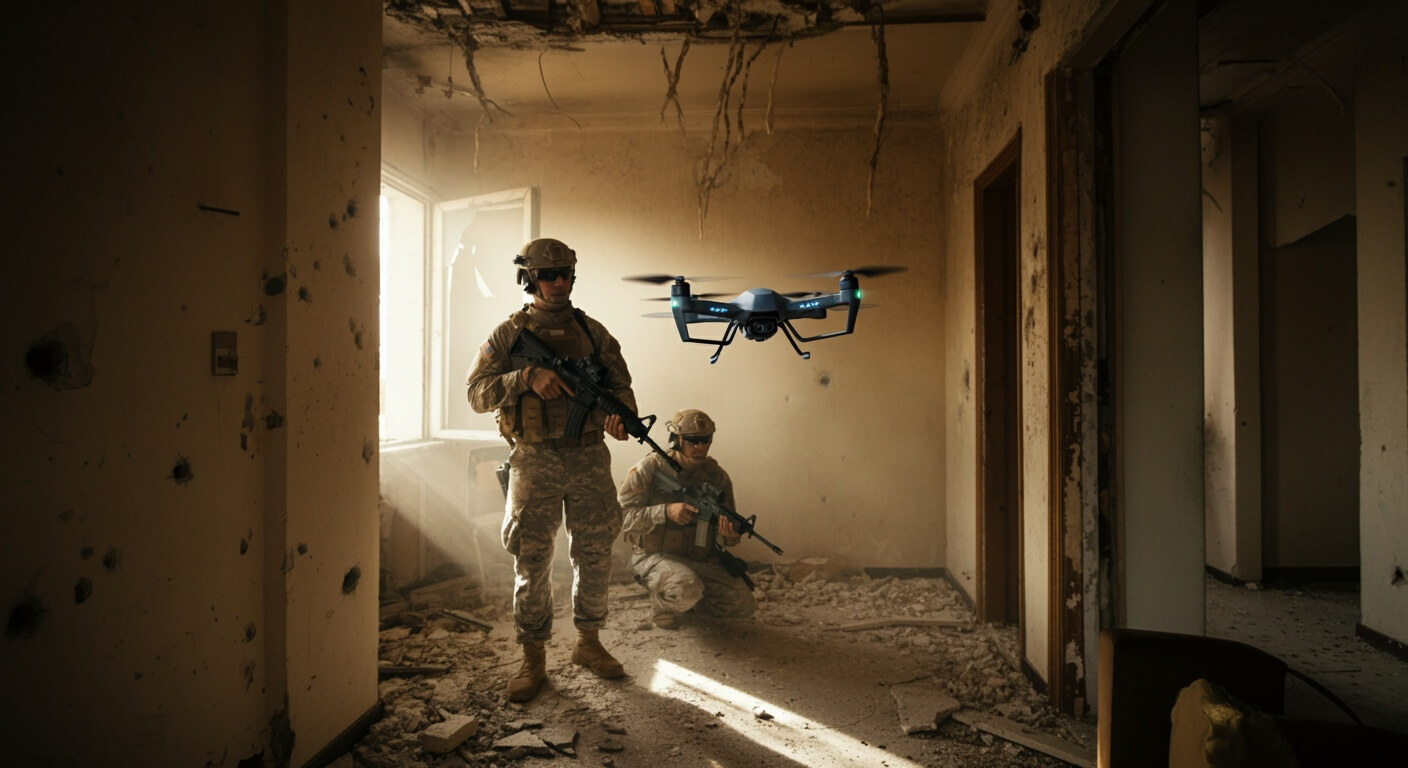
Exquisite defense tech will always have a place in satellites and intercontinental missiles, but it cannot scale to the pace of modern conflict. What does scale is commercial technology.
The reality is that the U.S. lacks a reliable method for sharing mission data across allied forces quickly and securely.

The military’s zero trust approach redefines security principles with a focus on drastically reducing attack surfaces.
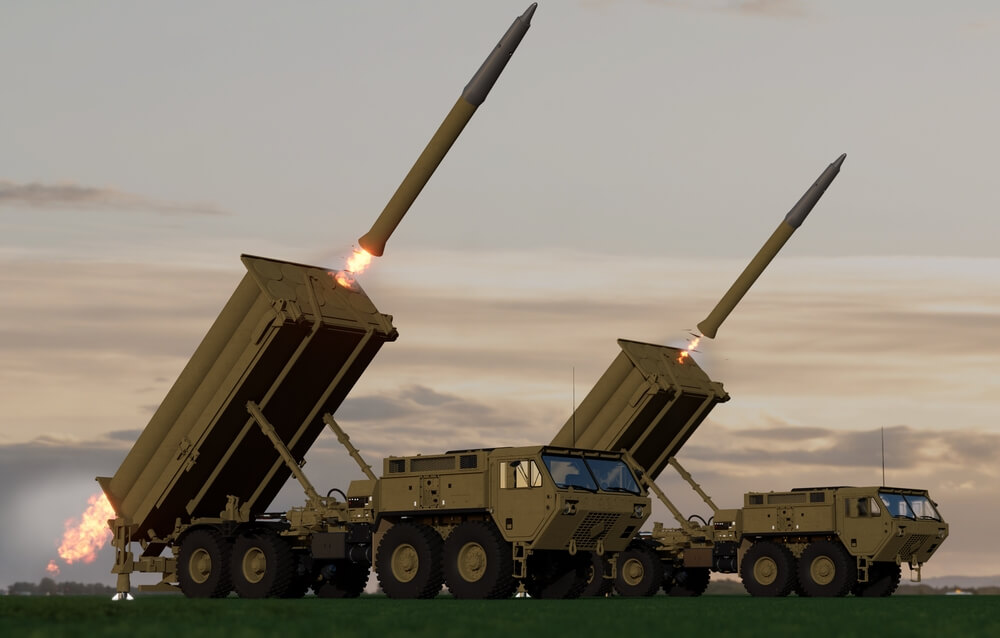
Modern air defense systems have become important instruments, shaping contemporary politics.
We need to link delivery performance to mission impact, because there is no value in shipping software code weekly if it fails to advance mission metrics or creates a poor user experience.

Three critical elements must be considered to ensure the architecture is both viable for the short term and flexible for the long term.

Golden Dome isn’t just about intercepting enemy weapons. It’s also about modernizing the civilian systems that millions of Americans rely on every day to fly safely.
DoD should find pragmatic ways to address the problems it can solve right now. This will require a willingness to embrace more agile and innovative solutions.

The Office of Management and Budget is set to finalize a federal acquisition rule that increases cybersecurity requirements for defense contractors.

As the Pentagon works to operationalize AI and data at scale, generative AI is driving efficiency and mission-readiness across the military services.

The Arrow-3 shipment signals Israel’s maturing autonomy as it depends less on Washington’s and Europe’s goodwill.
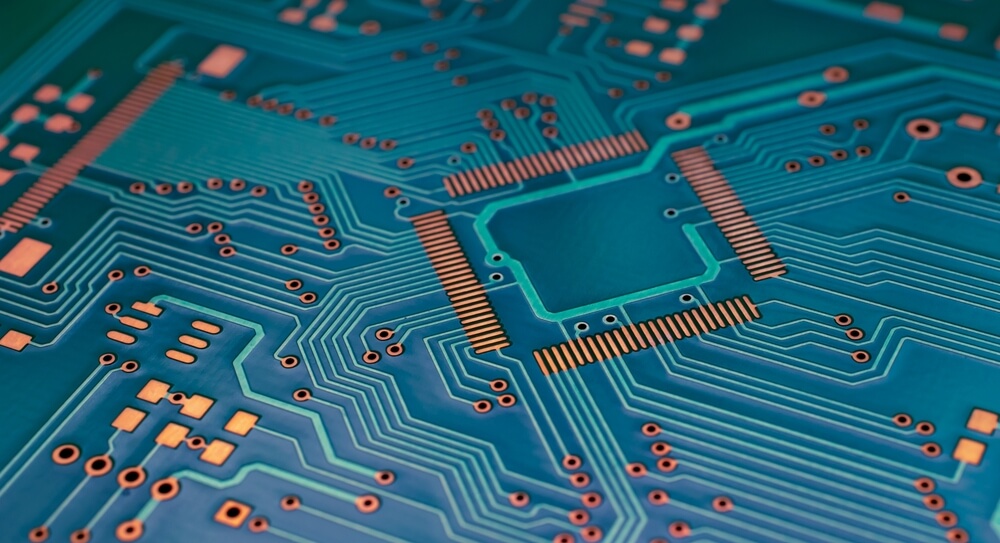
Microelectronics manufacturing has been offshored over the past 25 years, which threatens our ability to produce microelectronics at scale.

A transfer could slow decision-making and complicate alliance coordination during the unprecedented chaos of a dual contingency.

Investments by the U.S. in artificial intelligence signal a bold leap in defense modernization, but they also introduce new cyber risks.

The lack of U.S. manufacturing for flat panel displays and reliance on Chinese sources present significant, potentially catastrophic risks to the U.S. military, economy and infrastructure.
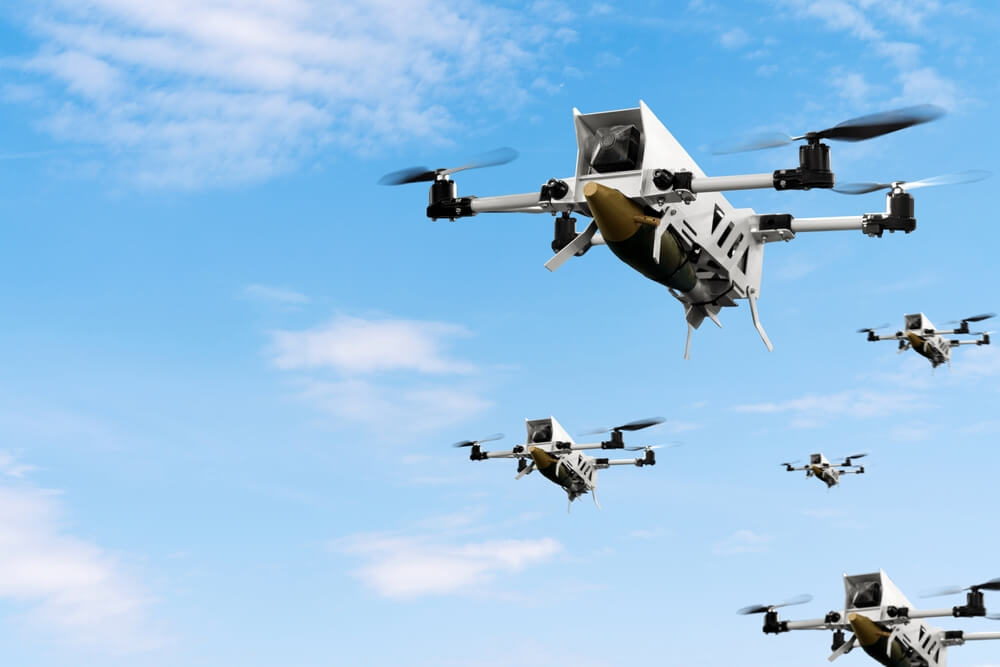
Drones have one fatal flaw: they depend on signals. Cut the signal, and you cut out the drone’s brain. The drone becomes scrap with wings.

The Department of Defense has an opportunity to rethink its traditional approach to protecting operational technology systems.
The greatest national security risk stemming from this surprising omission is before, not after, any actual hostilities with China erupt.

While the United States maintains extended deterrence commitments to South Korea and Taiwan, a pressing question looms—would the U.S. commit military forces at scale, and for as long as necessary, on both fronts?
Applying the zero trust approach to information technology is familiar territory, but applying it to operational technologies is fundamentally different—and far more complex.

The rapid rise in housing prices across the country is the result of a housing supply deficit in the U.S. This lack of housing supply is now a defense readiness issue.

The AUKUS agreement introduces a significant risk: the potential for cyber threats exploited by adversarial nation-states or others opposed to the mission of AUKUS.

But several recent developments should lead policymakers to rethink the wisdom or feasibility of clearing a “pipeline” from this critical band for 5G expansion.

The advent of a new medical records-keeping system for veterans might sound like a minor, logistical turn of the screw. Far from it. It will change lives and it could save many.
