Three Fast and Essential Defense Moves for Trump’s Team
President-elect Trump and his national security team want change in the U.S. military. They can score fast wins by correcting major defense program mistakes made by the Biden administration.

President-elect Trump and his national security team want change in the U.S. military. They can score fast wins by correcting major defense program mistakes made by the Biden administration.

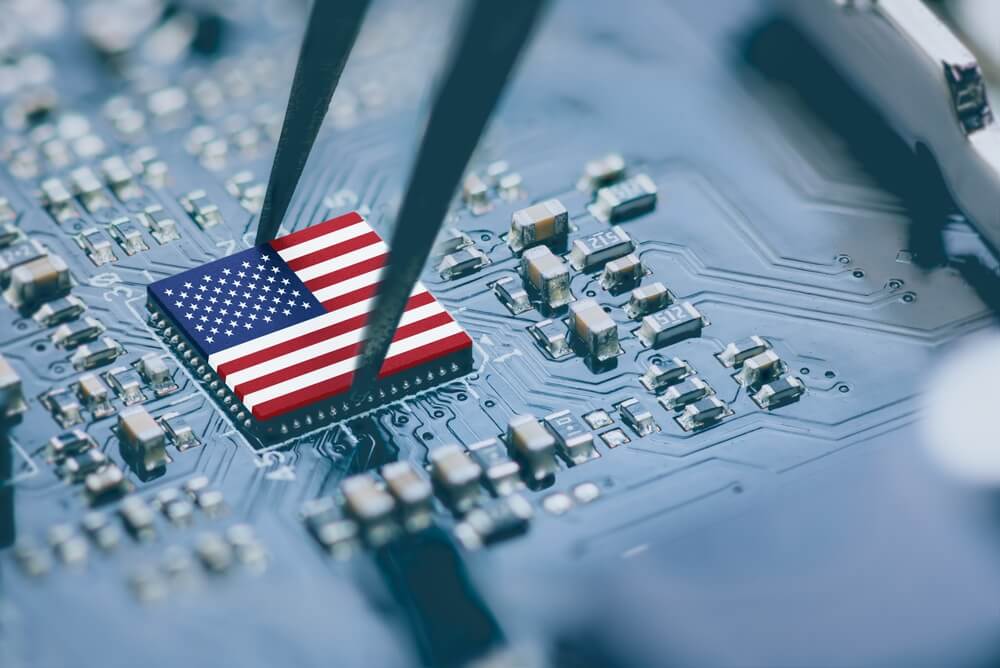
It will take years to purge the myriad military systems containing content from our adversaries. In the meantime, we remain at risk for a catastrophic event that could disrupt military operations and cripple critical infrastructure.

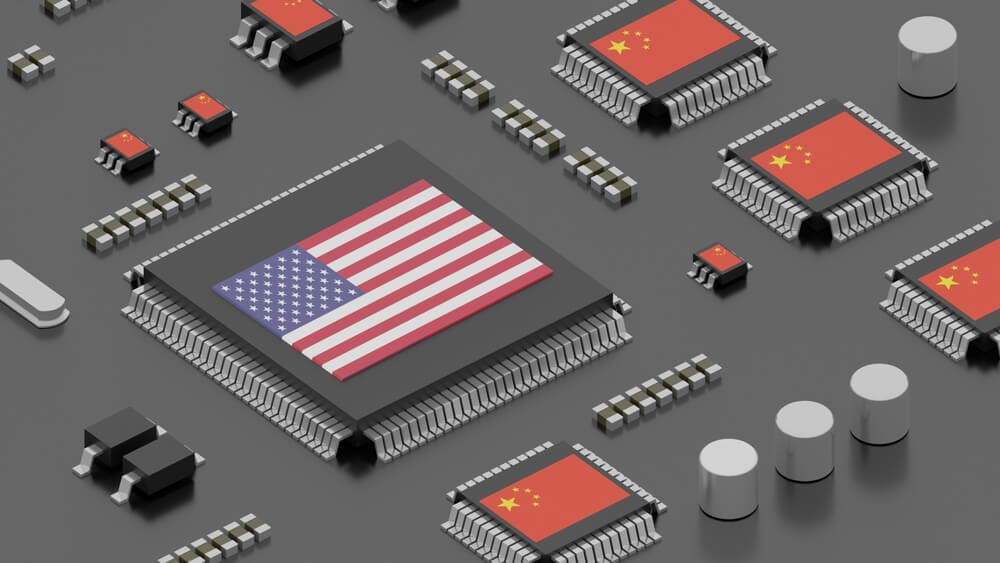
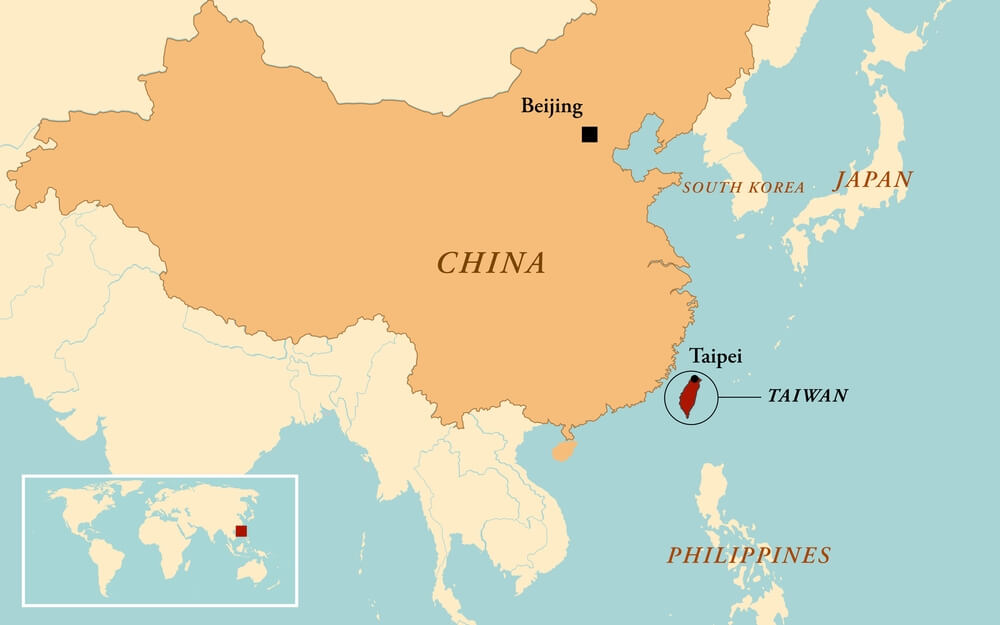
The damage to the U.S. semiconductor industry is compounded from a national security perspective because of the improved armaments China will now have to menace Taiwan and its other neighbors, such as the Philippines, in addition to the U.S.

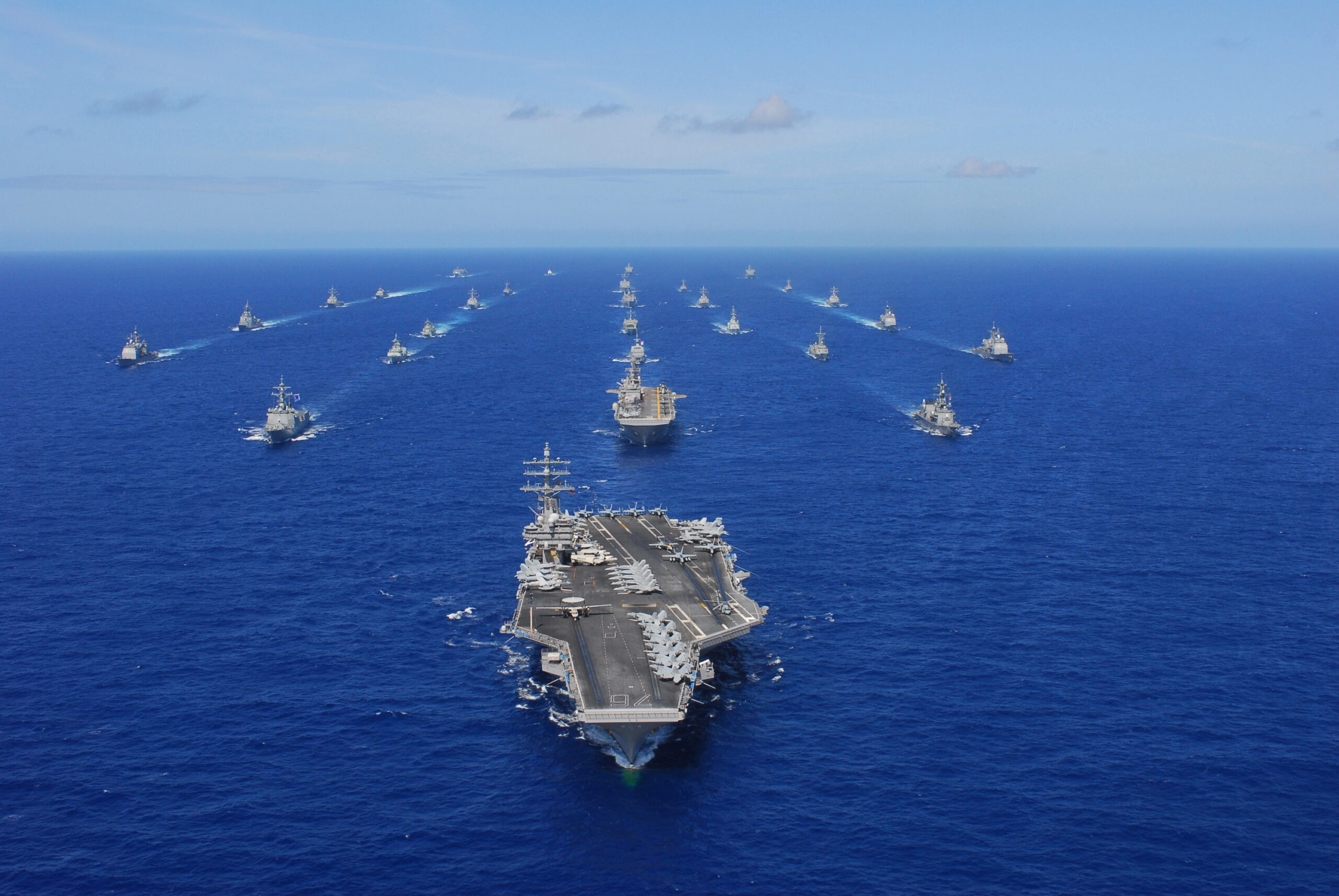
Sending the USS Abraham Lincoln aircraft carrier at high speed to the Middle East has created an aircraft carrier gap in the Pacific. The carrier fleet is stretching to perform its global role.

With the end of a cooperative framework, the Arctic is rapidly becoming the next contested area in great power competition, and the U.S. is in danger of being a day late and a dollar short.

The Biden administration’s decision to force the transition to electric vehicles overlooks several significant national security risks that provide a lot of leverage to China.

U.S. investors may have helped bankroll China’s aircraft carrier program by providing financial liquidity in 2018 and 2019 to complete its second flattop, Shandong, giving the country a capability that can be used to further threaten Taiwan and its neighbors

China has been in pursuit of a carrier aviation capability for nearly 40 years, using every imaginable method to acquire carriers via deception, amusement park attraction and finally domestic carrier production.

Our national defense and economic security are at risk because we rely so heavily on adversaries and geopolitical competitors for the technologies that power our military systems and critical infrastructure.

The U.S. Army’s newly released fiscal 2025 budget incorporates the top lessons from combat in Ukraine and sends a powerful message as a deterrent against possible conflict with China.

In order to prevail in this new Cold War, the U.S. must ensure that its high-tech companies are able to compete successfully against their Chinese rivals.

The capability of the Chinese cyber actors has grown, and the last couple of years have taught us that countries with adversarial interests are willing to change their strategy and deploy aggressive actions.

Congress and key agencies in the executive branch and not doing enough to support defense innovation. More can and should be done – or else our efforts to deter conflict will ring hollow, and we will risk failure in the battlespace.

It is critical for the world to learn from mainland China’s previous conquest of Taiwan as a guide to how China may seek to seize that island again.

When a nation newly ascends or returns to the status of a leading international power, it often feels the need to publicly demonstrate its rise through a brief, victorious war. Today, China’s increasing strength may tempt it to pursue such a conflict, and not necessarily with Taiwan, if it anticipates—perhaps incorrectly—that victory will be swift, decisive and demonstrative.

Here are three national security dynamics coming to a head that could hijack the Biden administration’s hopes of sharing its carefully crafted messages with the American and Canadian people.

The grid is the nation’s most vital asset, a top national security concern, if there ever was one. And if it goes down for any length of time, our civilized way of life will give way to utter chaos in a very short time.

Since the beginning of Russia’s invasion of Ukraine earlier this year Vladimir Putin and his subordinates have made constant nuclear threats against the West.