Three Fast and Essential Defense Moves for Trump’s Team
President-elect Trump and his national security team want change in the U.S. military. They can score fast wins by correcting major defense program mistakes made by the Biden administration.

President-elect Trump and his national security team want change in the U.S. military. They can score fast wins by correcting major defense program mistakes made by the Biden administration.

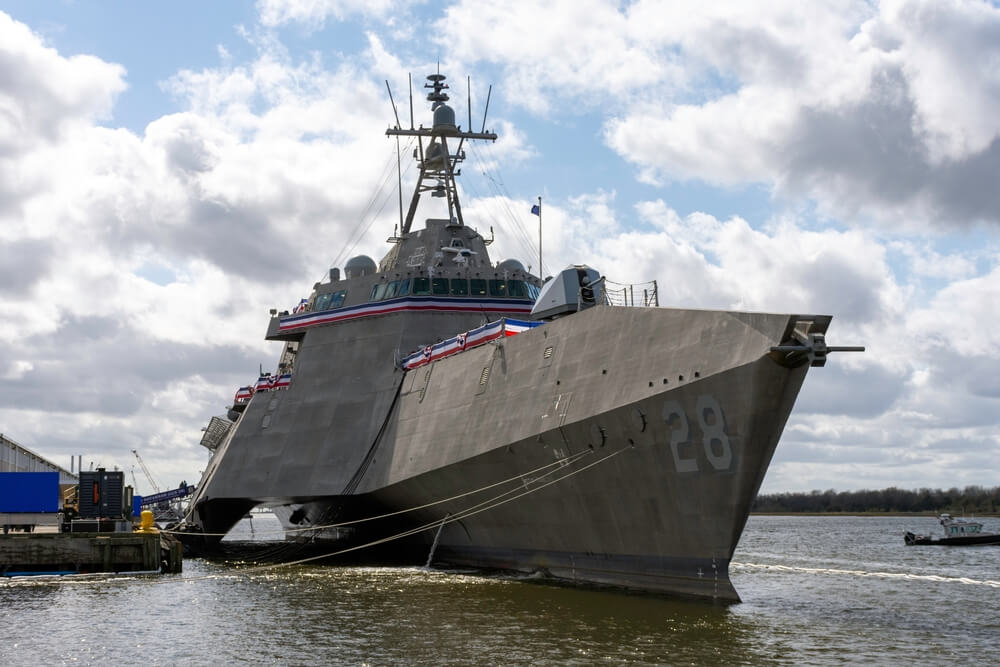
Among the first actions it takes in the Pentagon, the incoming Trump administration should commission a top-to-bottom review and reform of the Navy bureaucracy that develops new warships.

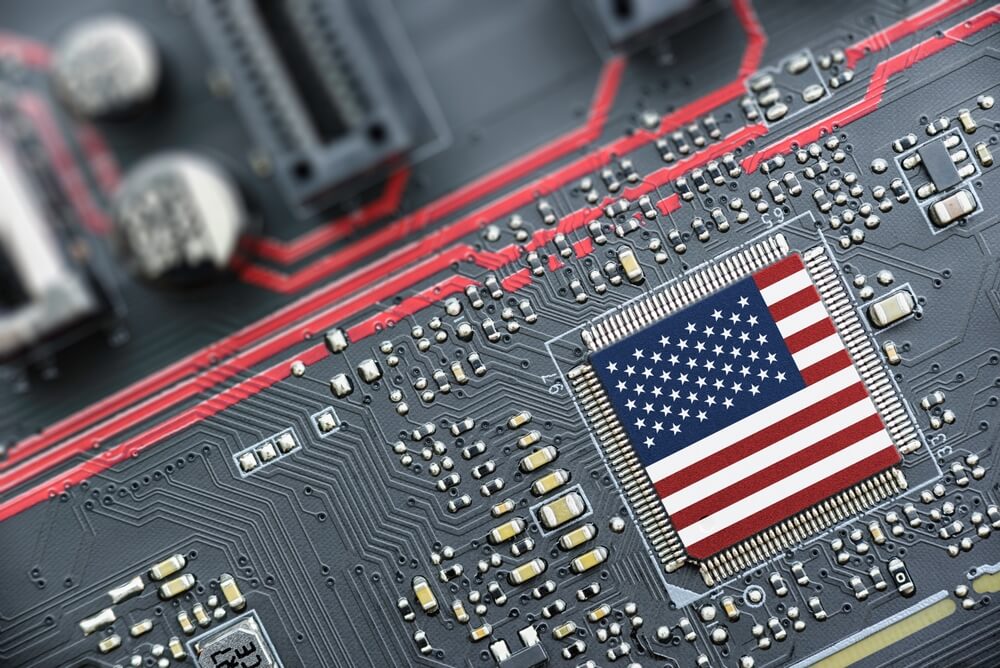
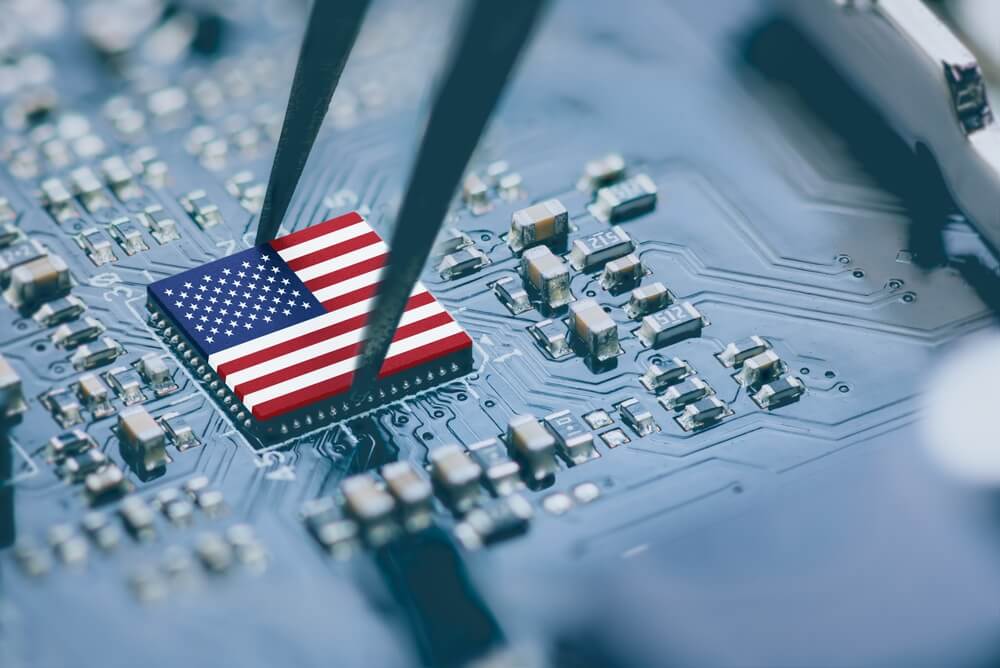
The next administration must do dramatically better in understanding both the semiconductor industry and its fundamental role in the modern world with robust national security policies reflecting this understanding.

The next U.S. president will be faced with a stark choice – whether or not to rebuild what was once a vital commercial merchant marine fleet to support U.S. trade interests around the globe and buttress U.S. military operations when needed.

An important American national security institution stands at a crossroads. The Committee on Foreign Investment in the United States, which for decades has protected key domestic industries against potential threats from foreign investments, has been thrust into uncharted territory.

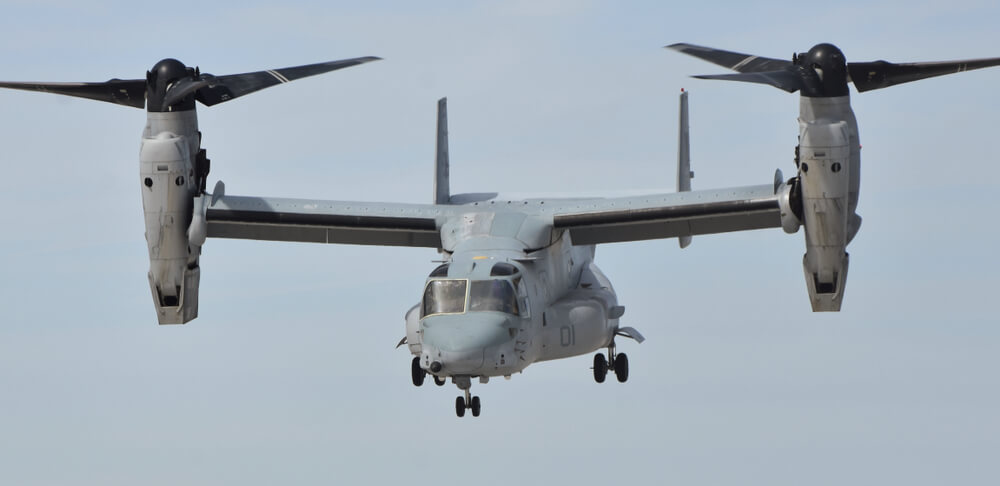
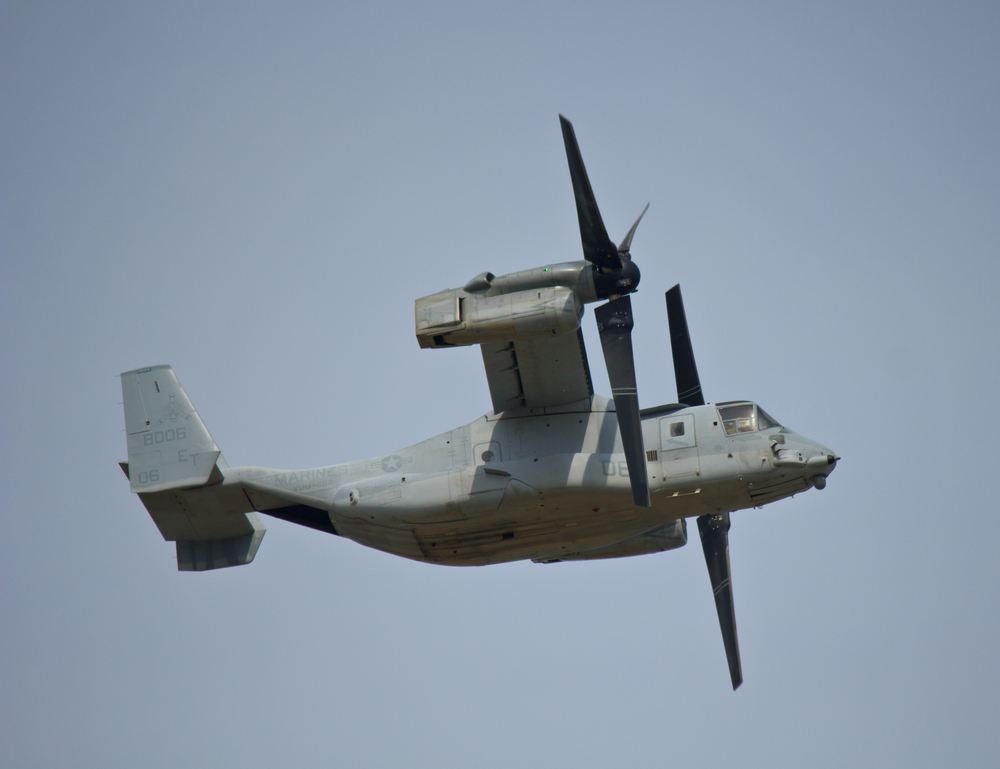
Every military aviation accident is a tragedy, and we must always strive to improve safety. But context is important, and the idea that the V-22 is more dangerous than other aircraft is just a myth, pure and simple.

The new NATO secretary general has the opportunity and experience necessary to lead a global effort to cripple Russia’s war against Ukraine by tightening global export controls on semiconductors that are currently enabling Moscow’s arsenal.

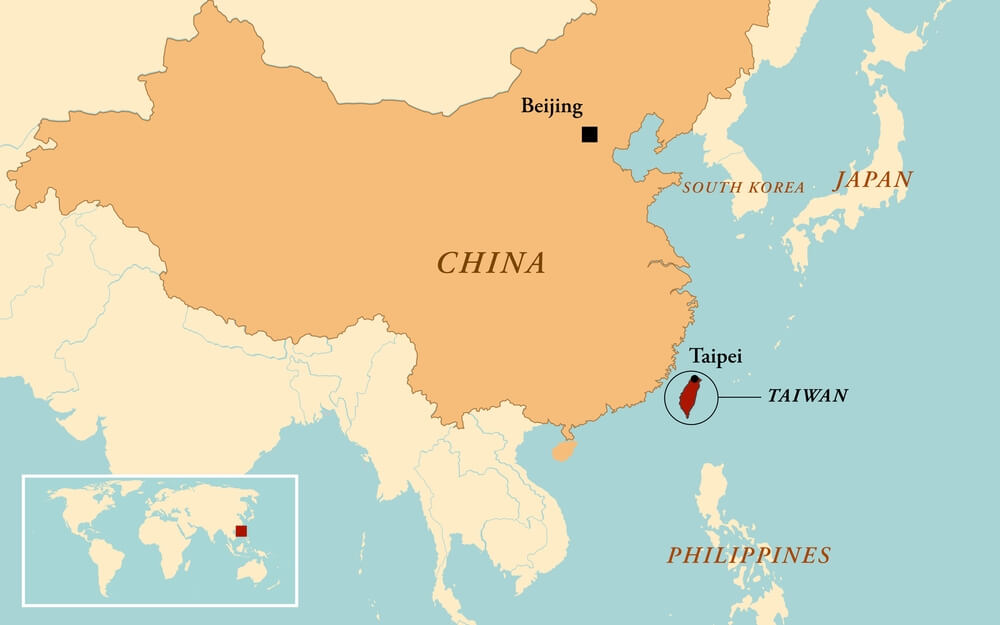
The damage to the U.S. semiconductor industry is compounded from a national security perspective because of the improved armaments China will now have to menace Taiwan and its other neighbors, such as the Philippines, in addition to the U.S.

We need to find innovative ways to stretch our industry training dollars, especially as advancing military threats spur the need for more advanced weaponry and a well-trained workforce.

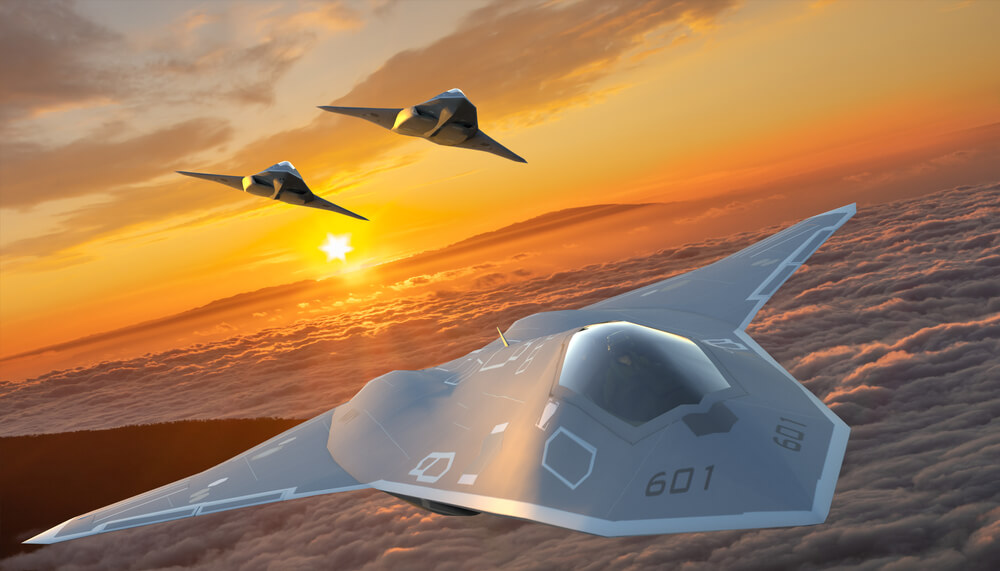
The U.S. Air Force is teetering on the edge of losing its precious lead in jet engine expertise by delaying or restructuring its secretive Next Generation Air Dominance, or NGAD fighter.

If the nuclear triad is to remain viable into the 21st century, then all three of its elements ought to endure the same level of programmatic scrutiny. The Air Force’s troubled Sentinel Intercontinental Ballistic Missile is one such program that demands greater scrutiny.

The V-22 Osprey – in versions tailored to the Marine Corps, the Navy and Air Force Special Forces respectively – are widely used, having flown collectively over 750,000 hours.

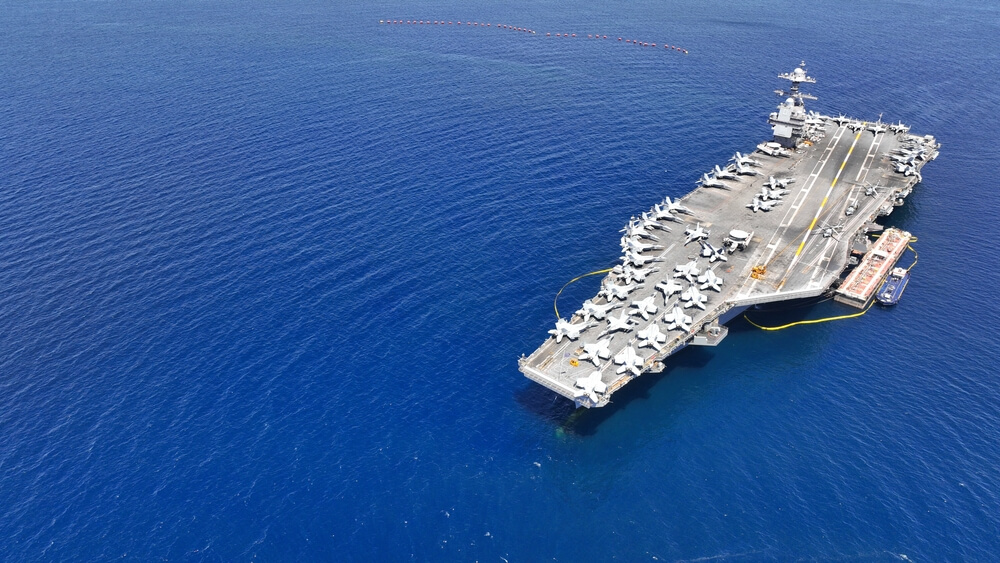
U.S. Navy ship totals at 290 will decline for 10 years before trending upwards again. In comparison, China’s navy lists about 340 ships, and it will grow to 440 by 2030.

Our national defense and economic security are at risk because we rely so heavily on adversaries and geopolitical competitors for the technologies that power our military systems and critical infrastructure.

The U.S. Army’s newly released fiscal 2025 budget incorporates the top lessons from combat in Ukraine and sends a powerful message as a deterrent against possible conflict with China.

The capability of the Chinese cyber actors has grown, and the last couple of years have taught us that countries with adversarial interests are willing to change their strategy and deploy aggressive actions.

The Navy has struggled over the past quarter century to implement changes in a challenging budget environment. The evidence of struggle is clear.

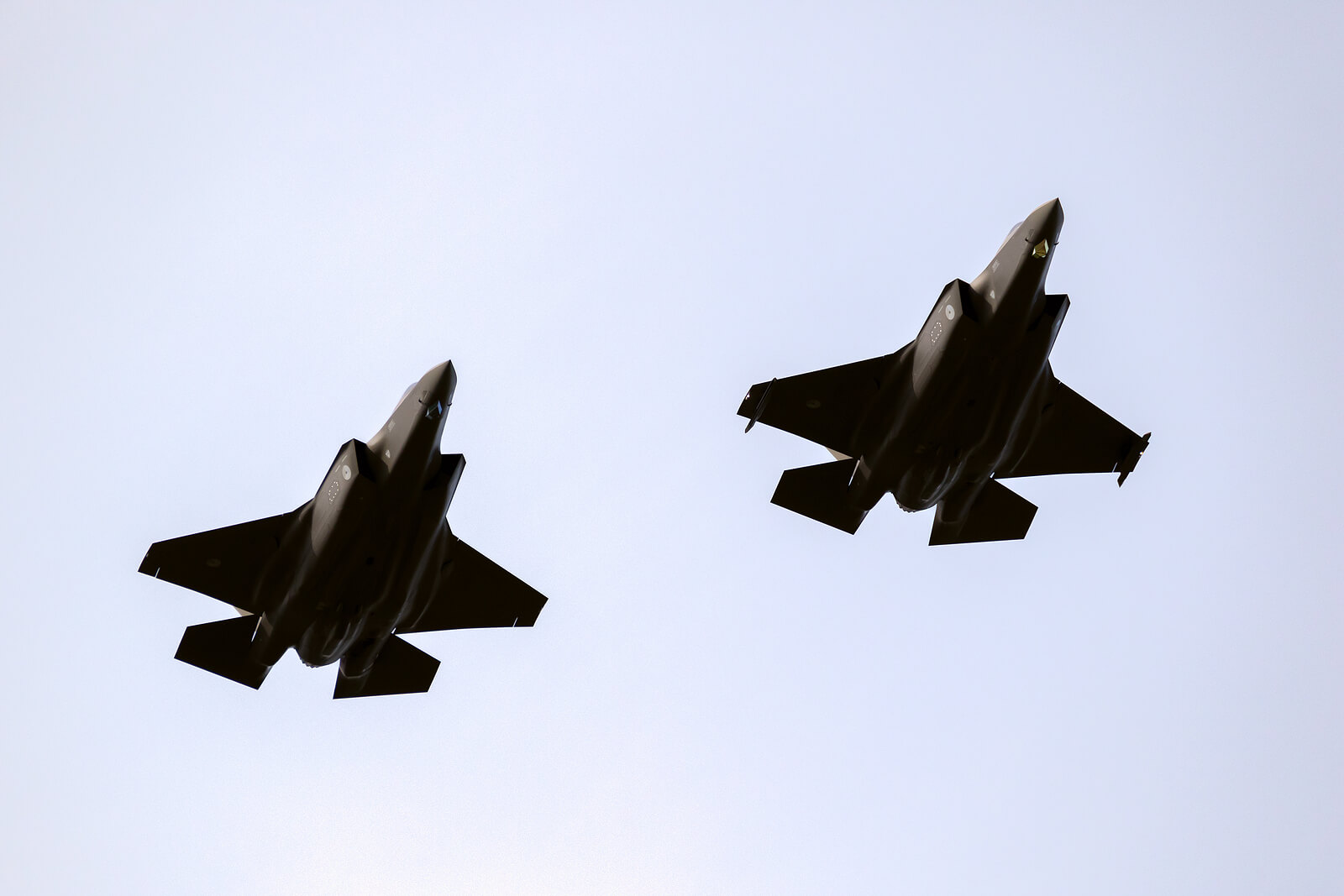
It is imperative to keep the F-35 one step ahead of any potential threats. This includes performing necessary updates, such as engine upgrades.

The onus is on industry for thoroughly researching value creation opportunities and conveying options to the Department of Defense.