
CHIPS and Ships: Time to Stop Gambling with U.S. Seapower
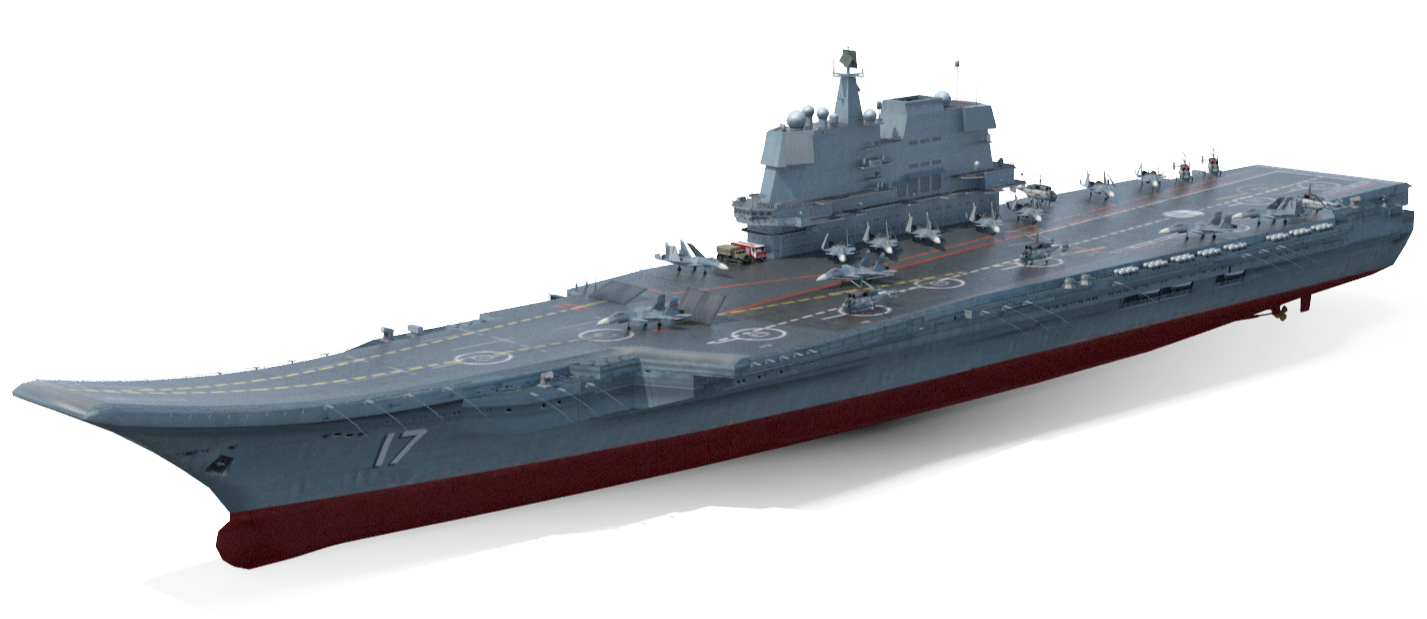
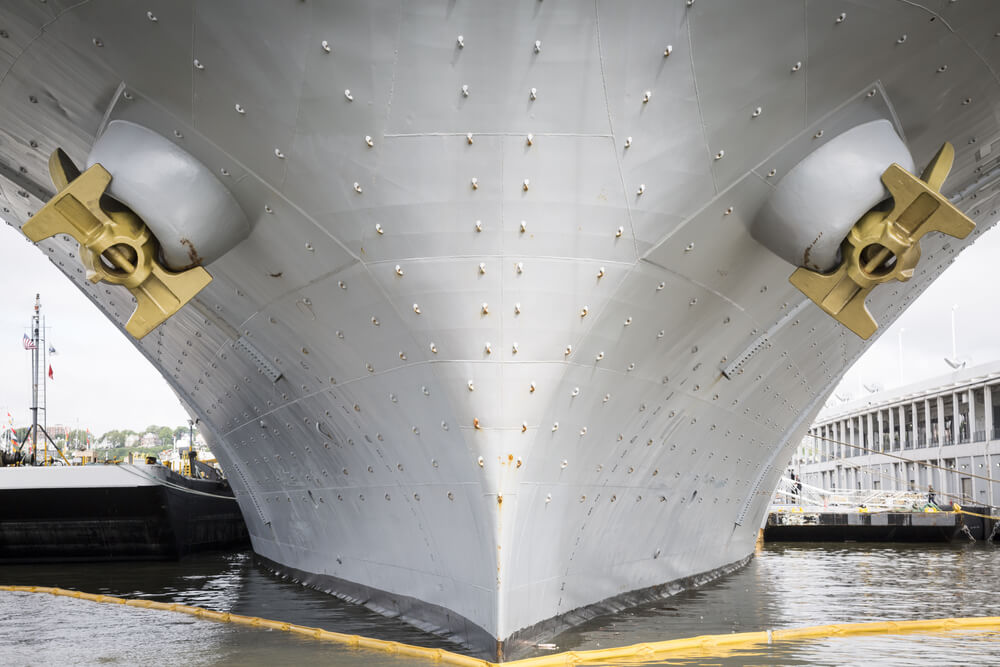
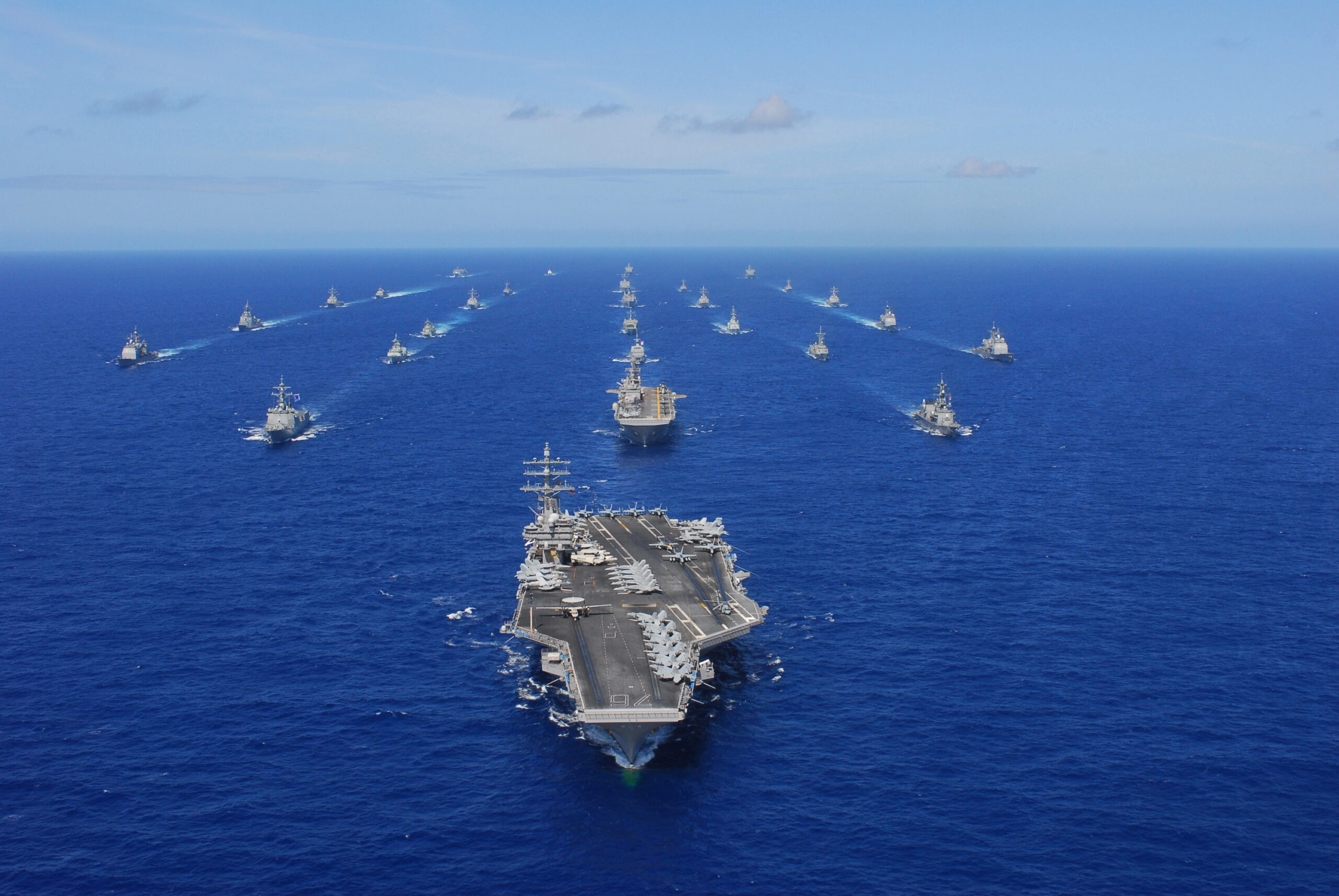
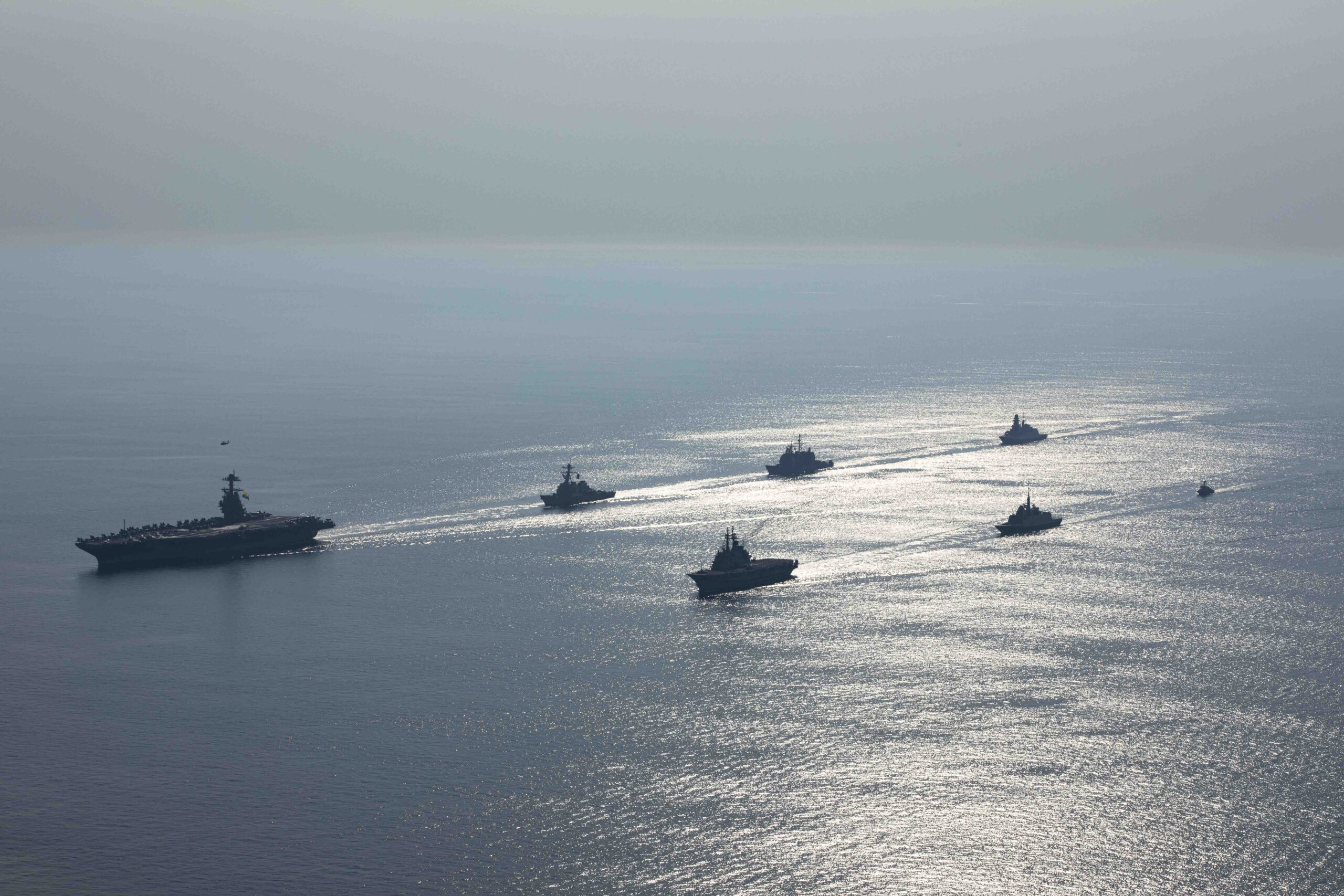
U.S. Navy ship totals at 290 will decline for 10 years before trending upwards again. In comparison, China’s navy lists about 340 ships, and it will grow to 440 by 2030.

U.S. Navy ship totals at 290 will decline for 10 years before trending upwards again. In comparison, China’s navy lists about 340 ships, and it will grow to 440 by 2030.

Until and unless the Russians understand that they can’t win militarily, a negotiated settlement is not an option.

Our national defense and economic security are at risk because we rely so heavily on adversaries and geopolitical competitors for the technologies that power our military systems and critical infrastructure.

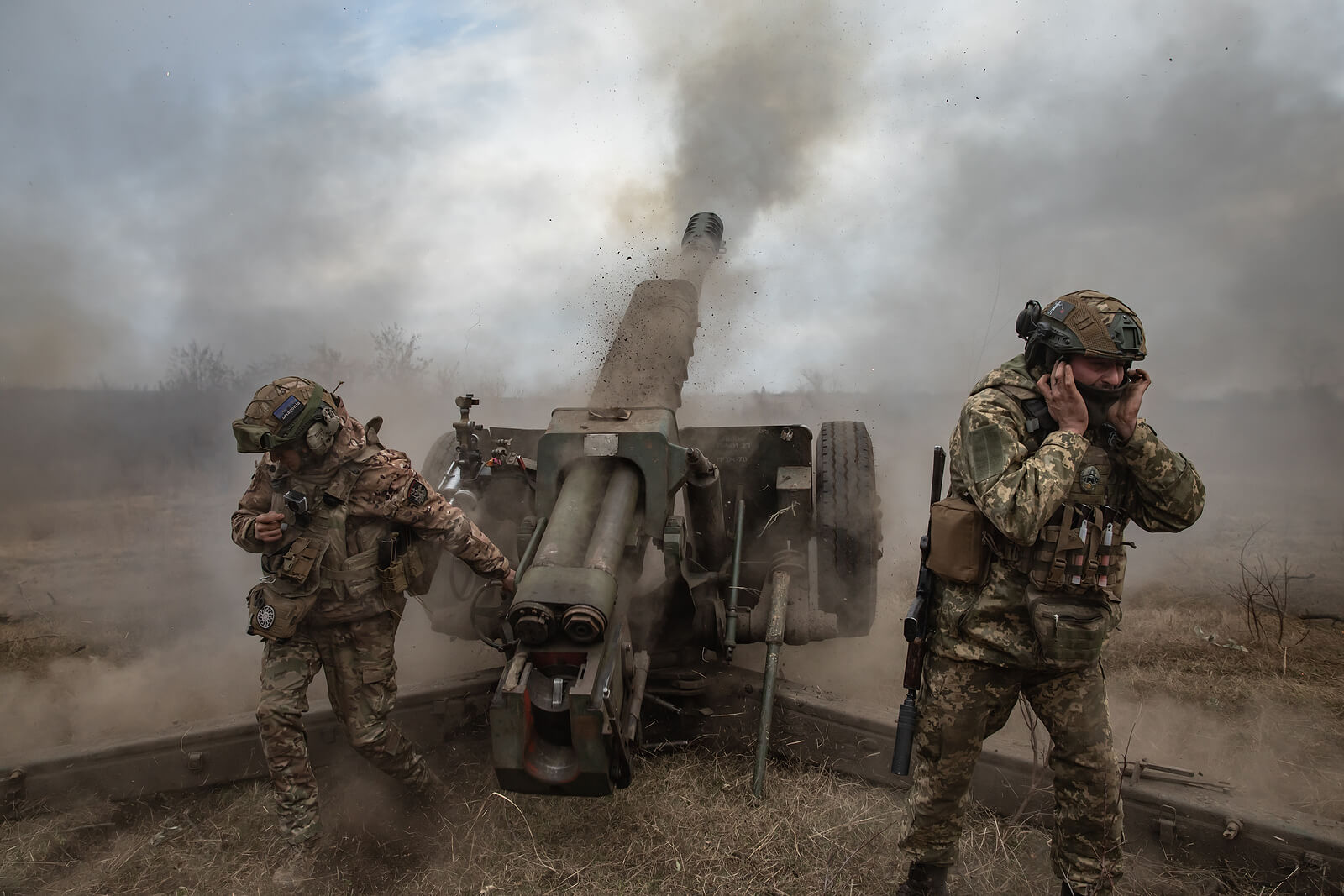
The U.S. Army’s newly released fiscal 2025 budget incorporates the top lessons from combat in Ukraine and sends a powerful message as a deterrent against possible conflict with China.

In order to prevail in this new Cold War, the U.S. must ensure that its high-tech companies are able to compete successfully against their Chinese rivals.

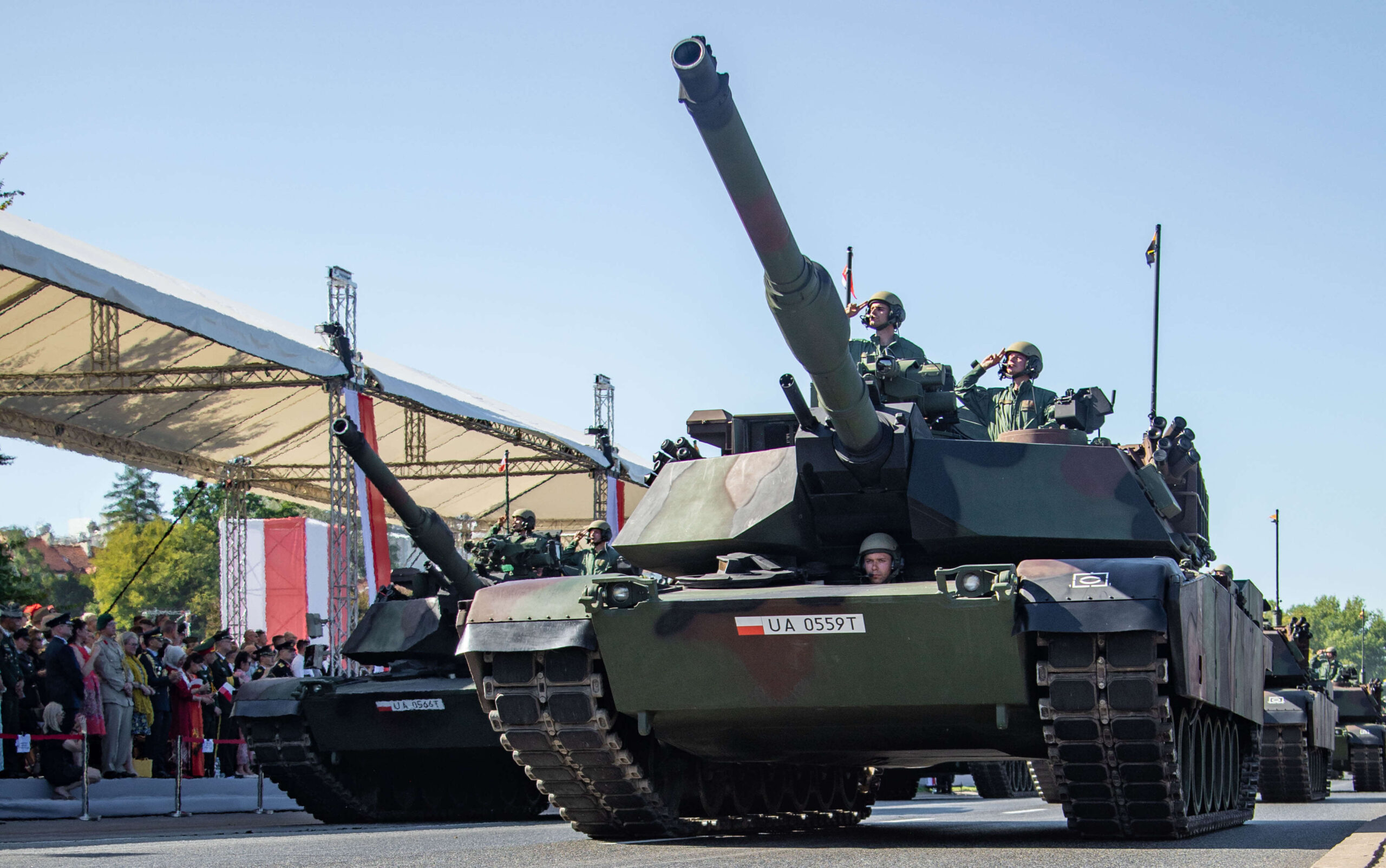
Among Poland’s weapons purchases, nothing is more likely to prevent Russia from invading NATO Europe than the M1 tank – arguably the West’s apex ground combat predator.

The changing climate is already having a profound effect on many of the more than 5,000 U.S. military installations worldwide, including 1,700 that are located in coastal areas affected by sea level rise and storm patterns.

Congress and key agencies in the executive branch and not doing enough to support defense innovation. More can and should be done – or else our efforts to deter conflict will ring hollow, and we will risk failure in the battlespace.

What is missing in the discussion about the right size Navy needed to counter growing threats is a defined maritime strategy, a type of document not used by the service since the end of the Cold War.

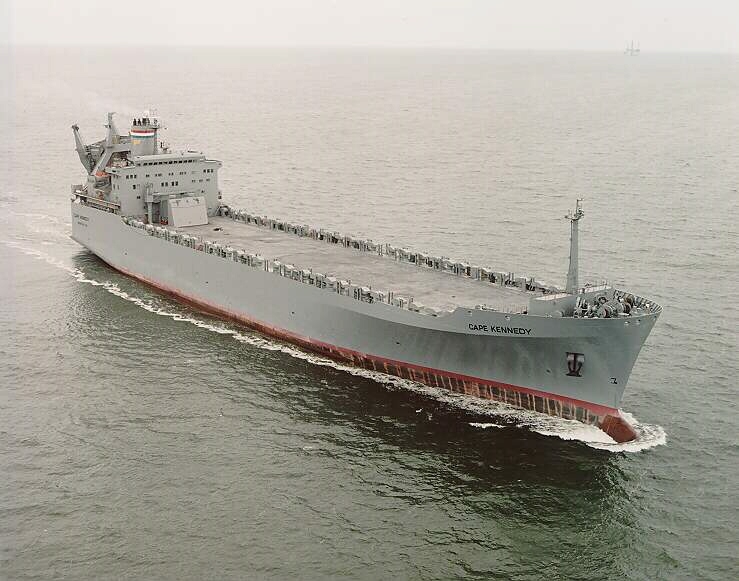
The U.S. Ready Reserve Fleet of cargo and fuel ships that move military gear around the world when needed for a conflict is in serious need of an upgrade. The fleet is aging and generally not ready for war.

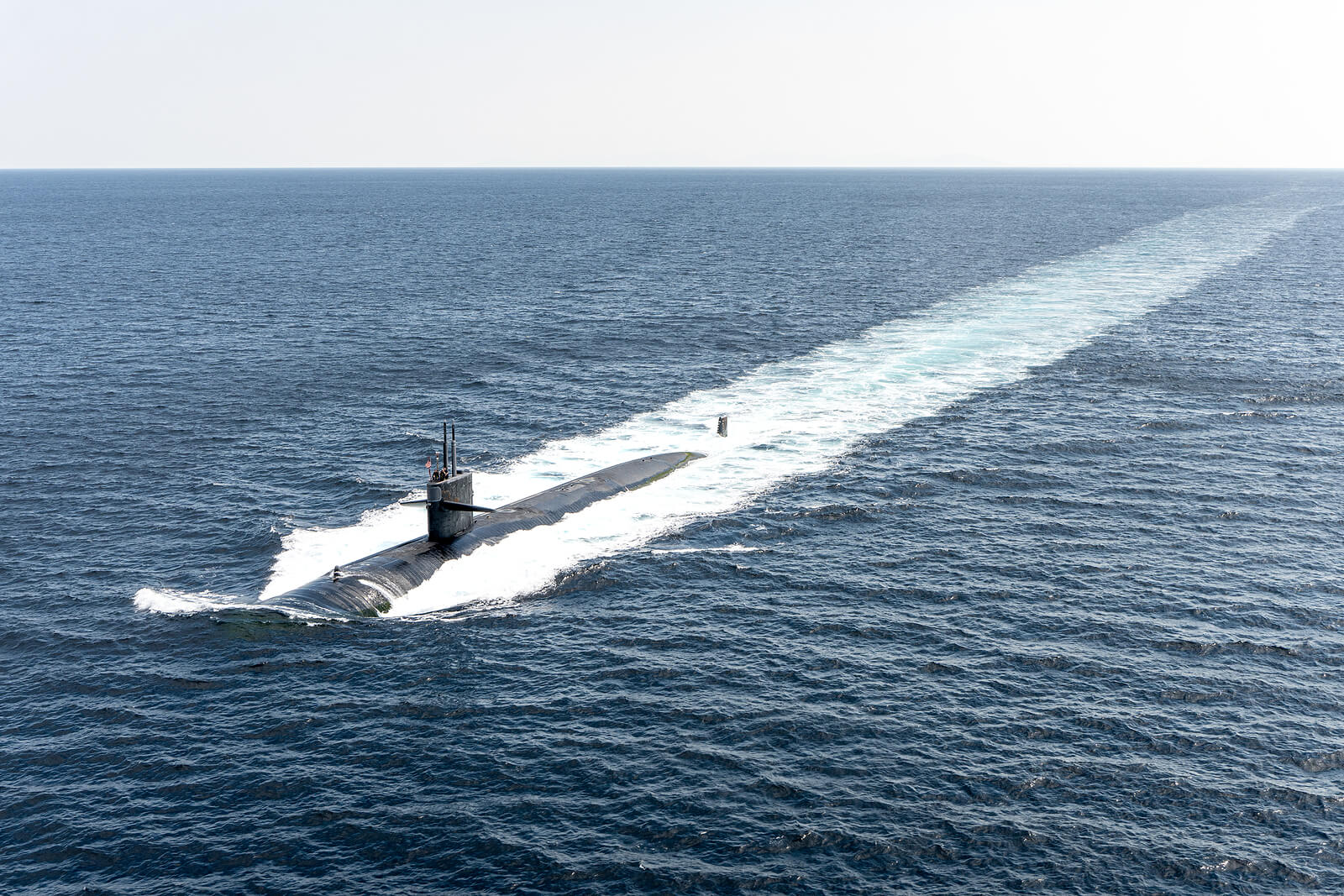
With sound traveling farther the ocean will be noisier, and undersea stealth platforms such as submarines will simultaneously find it more difficult to hide in some circumstances and easier in others—and that is only the beginning.

The nation’s mine infrastructure is facing a historic nearly-40 plus year period of neglect and under-investment since the end of the Cold War. This decay also includes industrial capacity, explosives, training, infrastructure, ships and personnel.

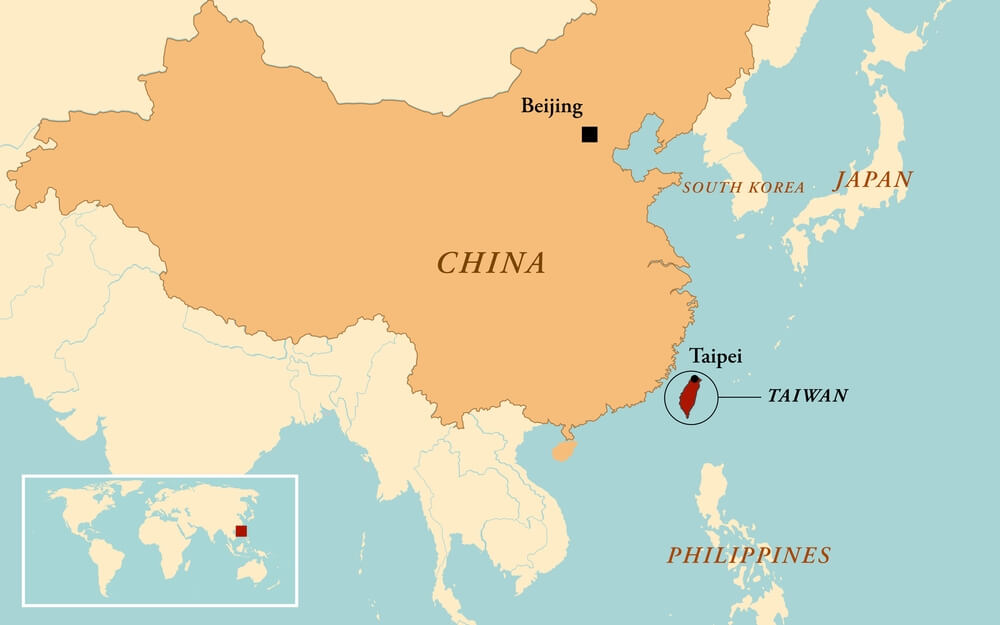
It is critical for the world to learn from mainland China’s previous conquest of Taiwan as a guide to how China may seek to seize that island again.

Israel has always prided itself on not asking the U.S. to send soldiers to fight on its behalf. If another front opens up, if U.S. forces in the Mediterranean fail to deter, it may have to reverse its longstanding policy.

Sen. Paul uses half-truths that may be appealing to some Americans. They should know the whole truth and understand the stark consequences if we fail to maintain our resolve.

One growing threat that military commanders need to consider in their operational strategy is the presence of toxic industrial chemicals.

The Navy has struggled over the past quarter century to implement changes in a challenging budget environment. The evidence of struggle is clear.

It’s long past time for the Senate to act to end the wrongheaded actions of one person, and if it fails to act then it is complicit in his damaging actions.

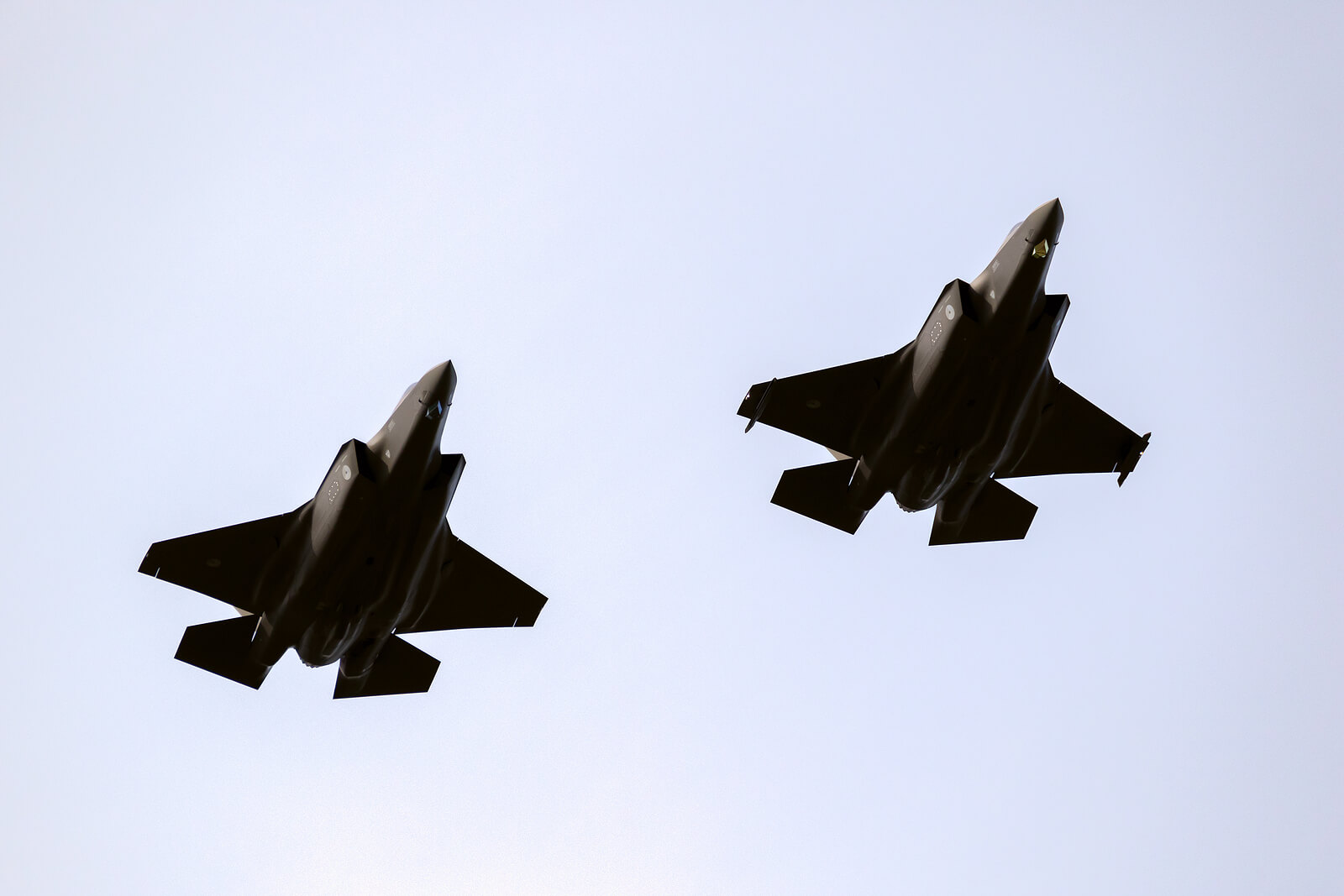
It is imperative to keep the F-35 one step ahead of any potential threats. This includes performing necessary updates, such as engine upgrades.

The onus is on industry for thoroughly researching value creation opportunities and conveying options to the Department of Defense.

Adding an auxiliary hybrid power system to idling vehicles is a feasible change that will allow the military to maximize the cost efficiency of emission reduction while rapidly upgrading entire fleet of vehicles.

Micro-partnerships between U.S. and Australian firms can enable the pooling of capabilities, increased flexibility, tech transfer, access to expertise and knowledge and guided access to Australia’s growing defense market.

It is more stabilizing and better for national security that Congress is skeptical about where U.S. space leadership and space policy are headed. Let’s hope the responsible oversight demonstrated in the annual defense bill continues.

There is a big mismatch between the Biden administration’s new National Defense Strategy and its push for forces to be equipped for global campaigning and the current projections for the U.S. Navy. The conventional manned fleet, the combat logistics force and the developing unmanned side of the Navy all need additional support to meet the NDS’s campaigning requirements.

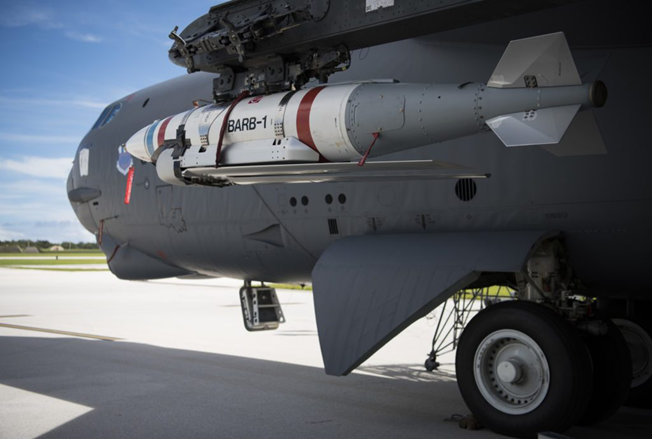
To maintain its status as a global superpower, the United States cannot afford to fall any further behind in our hypersonic military systems.

The sea services and wider Biden administration ought to take a page out of our international peers’ and rivals’ books.

It’s time to scrap the U.S. armed forces. If you just spewed your Cheerios across the breakfast table, I should clarify. I’m not suggesting we abandon the military, beat our swords into ploughshares and become pacifists. But it’s time to overhaul how the nation organizes the military services by unifying the service departments into one warfighting component — the United States Defense Forces.