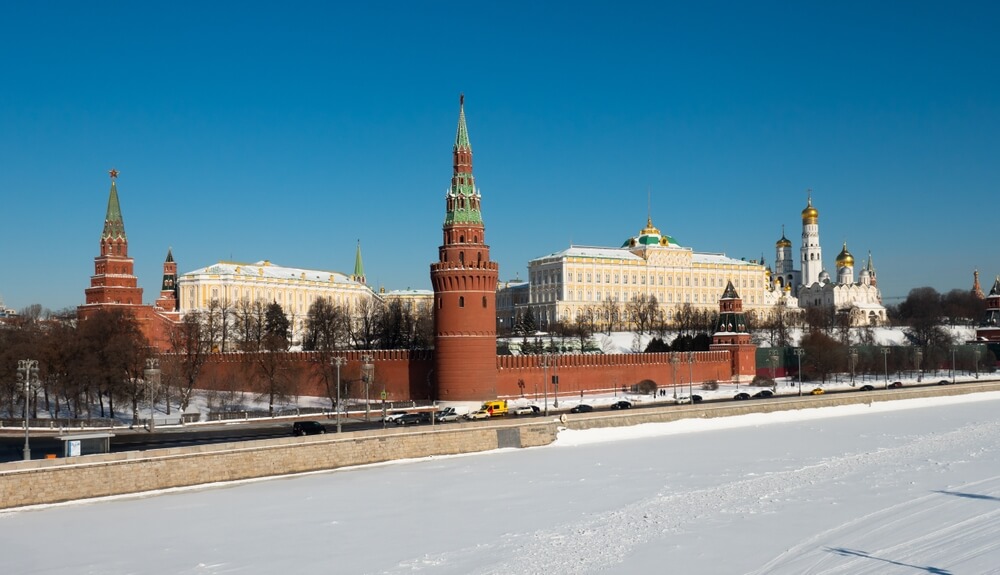
No Longer a ‘Great Power’
Many have Soviet-era Russia in mind when discussing great power issues, but today’s Russia is a far cry from Stalin’s Russia.


Many have Soviet-era Russia in mind when discussing great power issues, but today’s Russia is a far cry from Stalin’s Russia.
Seoul should evaluate whether investment in inexpensive drones would deliver more practical benefits than hypersonic weapons.


We are compounding the defense industrial base vulnerability by awarding high school diplomas that overstate students’ readiness in math.

The government’s implementation timeline may be under review, but the cybersecurity obligations, contractual requirements and business pressures have not disappeared.

When multiple software agents work together, what are they allowed to do before a human must step in? The military already has an emerging answer.

An administration that seeks to rehabilitate Russia at this moment in time simply doesn’t understand core U.S. national security interests.

The United States and its allies should meet directly with the NCRI leadership and evaluate the third option.
The reality of 2026 and the array of current and evolving threats demand that our procurement cycles speed up dramatically.